

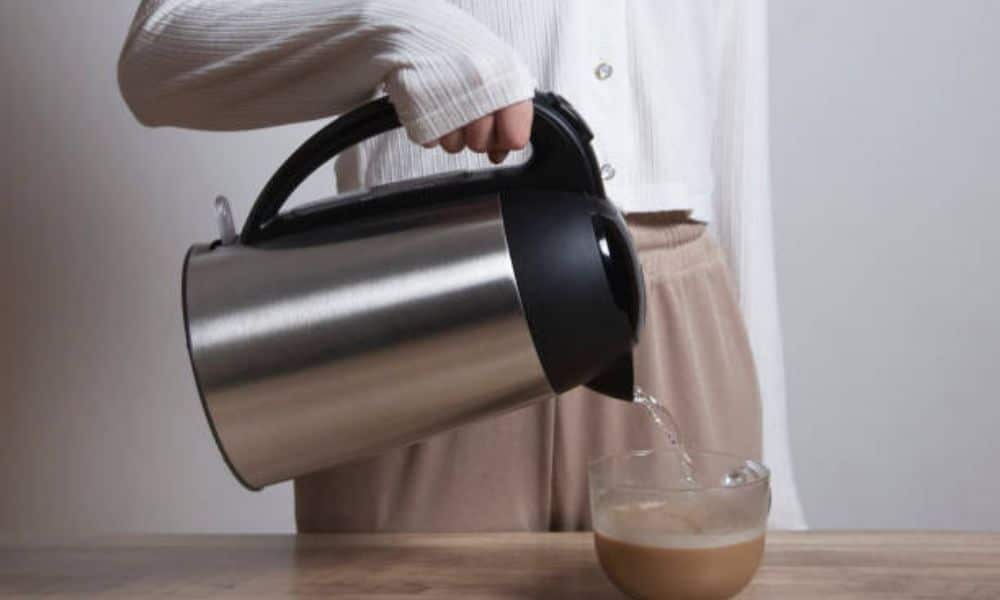
One night, I looked at my kettle and wondered can you put milk in a electric kettle to save time. It felt quick and easy for warm milk. Just pour and press.
I tried it during a busy morning. The milk warmed, yet I noticed a thin film and a strange smell later. That made me question is it safe to heat milk in electric kettle and will milk damage an electric kettle.
Here, I share what I learned from real use. You will also find the best way to heat milk without stove and how to clean electric kettle after boiling milk. Let’s keep your drink smooth and your kettle safe.
Can You Put Milk In A Electric Kettle Safely?
People often ask is it safe to heat milk in electric kettle for daily drinks. The risk comes from milk boil over and foam rise. Water rarely spills in a sealed kettle with steam flow. Milk can overflow fast and cause mess.
Milk exposes the heating plate to protein and sugar. That mix can burn on contact with hot metal during a fast cycle. Water leaves no film behind on the base. Milk leaves a sticky layer that may cling.
Milk behaves in a complex way under heat. Fat traps air and builds foam on top as temp climbs. Sugar starts to brown near the base and adds color. Foam builds fast and traps heat below.
Some rare cases may feel safe for a quick warm. A low fill and close watch reduce mess and spill. That still adds wear to the unit over time. Daily use may raise long term risk.
Milk also heats in layers. The bottom warms first and may scorch. The top may stay cool and form skin. This uneven heat can change taste.
Will Milk Damage An Electric Kettle?
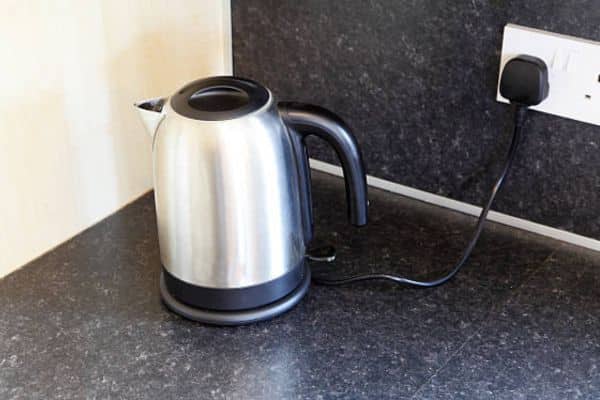
A big worry is will milk damage an electric kettle over time. The risk comes from burnt film and sugar on steel. These parts cling to the metal plate and may reduce heating speed. Heat flow may drop with use.
Milk Residue And Burnt Protein Build-Up
Milk has casein protein that sticks on hot steel. This layer forms a thin skin across the base. Sugar may caramelize and turn brown on the plate. A rough coat may build up.
That coat acts like glue for dust and smell. It may stay after a rinse with plain water. Each use may add a new layer. The inside may look dull.
Heating Element Risk
Some kettles hide the plate under steel. Others leave it exposed for fast heat. An exposed plate takes more harm from milk during heat cycles. Direct contact adds stress.
A hidden plate still faces risk from film. Heat may pass through a coated wall. Film may sit on top and slow flow. This may add strain to the unit.
Odor And Taste Contamination
A burnt film can trap smell in the lid. Your next tea may taste odd or flat. That smell may linger for days in steel. Drinks may carry that note.
Even after a clean, taste may shift. Tiny bits may stay in seams. Heat may bring them back to life. A fresh cup may feel off.
Best Way To Heat Milk Without Stove
You may want the best way to heat milk without stove at home. A microwave works for small cups with ease. Stir once or twice for even heat. This avoids hot spots.
A double boiler uses steam to heat milk slow. A bowl over hot water does the same job. This keeps milk from burning at the base. Gentle heat keeps taste smooth.
An electric milk frother warms milk with care. Many have temp control built in for ease. This keeps taste clean and foam soft. No film may form.
An induction safe pot works on a small plate. Low heat helps avoid burn and keeps texture soft. Stir with a spoon for flow. Heat spreads well.
My go to method stays the frother. It keeps foam soft and smell clean. The kettle stays free from film. Clean up takes less time.
What Happens If You Boil Milk In A Kettle?
Milk may rise fast and spill over the rim. Foam builds near the top in seconds. Steam may push it up. A mess can form.
A burnt layer may form at the base. This sticks hard to metal and turns brown. It may feel rough to touch. Scrub may take time.
Cleaning may take more time later. The smell can cling to steel and stay after rinse. Plain water may fail to lift it. Soap may help.
Auto shut off may fail to read temp right. Foam blocks steam path in the spout. This may delay shut down. Heat may keep rising.
A spill may drip into the base. This may harm inner parts. Moisture may reach wires. Risk may grow.
How To Clean Electric Kettle After Boiling Milk
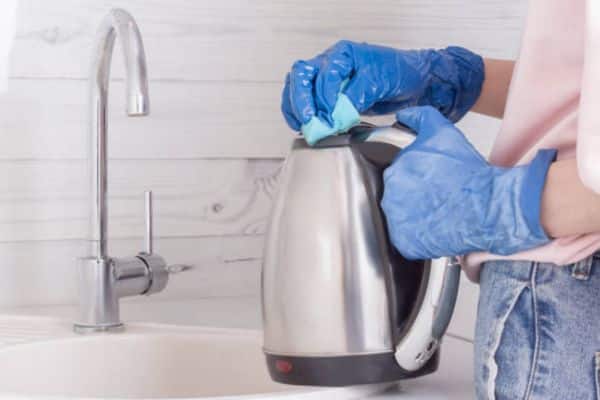
You may ask how to clean electric kettle after boiling milk at home. A fast rinse helps right away. Warm water lifts fresh film from the base. Do this soon.
Immediate Rinse Method
Fill with warm water and swirl with care. Empty and repeat twice for best lift. Wipe the lid with a soft cloth. Dry with air.
Vinegar Or Baking Soda Cleaning
Mix water with a small splash of vinegar. Let it sit for ten minutes in the pot. Rinse well to clear smell. Air dry.
A paste of baking soda may help too. Rub with a soft pad. Rinse again for a clean base. This lifts light burn.
Deep Descaling Process
Fill half with water and boil. Add two spoons of baking soda with care. Let cool and scrub soft to lift burnt spots. Rinse twice.
Leave the lid open to air. Smell may fade with time. A clean base may shine. Taste may return.
Types Of Electric Kettles That Handle Milk Better
A stainless steel interior resists stain more. It cleans with ease and lasts longer. Film may wipe off fast. Shine may stay.
Glass kettles show film at a glance. This helps fast clean and clear view of the base. You see the coat. Action may follow.
A non stick coat may reduce cling. Film may wipe off with less effort. Care still matters. Heat still runs high.
Temp control models allow low heat. This slows foam rise and keeps the base safer. A lower set may help. Milk warms slow.
A wide base may spread heat. This may cut hot spots. A narrow base may scorch more. Shape may matter.
My Personal Experience Using An Electric Kettle For Milk
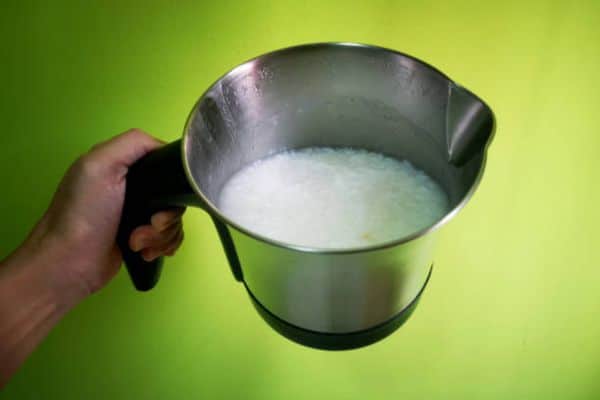
I tried this to save time on busy days. Warm milk for oats felt easy and quick. The kettle sat right there. Speed felt good.
The first run left a thin skin. The next tea tasted odd and a smell stayed inside. A rinse did not fix it. A deep clean helped.
I learned milk needs gentle heat. The kettle runs too hot and film builds fast. Foam may trap heat. Burn may start.
I stopped after a few tries. A frother took its place and clean up felt simple. The taste stayed pure. The base stayed clean.
The final take stays clear. Use tools made for milk and keep the kettle for water. This saves time later. Drinks taste right.
Common Mistakes To Avoid When Heating Milk In Appliances
People leave milk alone to heat. Foam may rise fast and a spill can follow. A watch helps. Stay near.
Some fill above the max line. This adds spill risk and may block steam path. Space helps. Leave room.
High heat may scorch the base. A burnt coat may form and smell may linger. Low heat helps. Stir may aid.
Late clean up makes it worse. Film hardens with time and scrub work grows. Act soon. Rinse now.
A metal spoon may scratch coat. Use soft tools. Care keeps shine. Avoid harsh pads.
Frequently Asked Questions
Can you make hot chocolate in an electric kettle?
Water can heat in a kettle first. Mix cocoa in a cup later and keep milk out of the kettle. Taste stays pure.
Will milk ruin an electric kettle permanently?
One use may not ruin it. Repeats add wear over time and film may stay. Care may slow this.
Is boiling milk in kettle dangerous?
Milk can spill and burn. Steam may block vents and a mess may form. Stay close.
Can you heat almond or oat milk in kettle?
Plant milk can foam too. Sugar may still burn and risk stays. Tools may help.
Final Thoughts
You can do it in a pinch. Yet it may add risk and tools for milk exist. A frother works well. Appliance life matters in the long run. A clean base keeps taste pure. Small habits help. Use the kettle for water. Use a frother for milk and your drinks stay smooth. Your gear lasts longer.
