

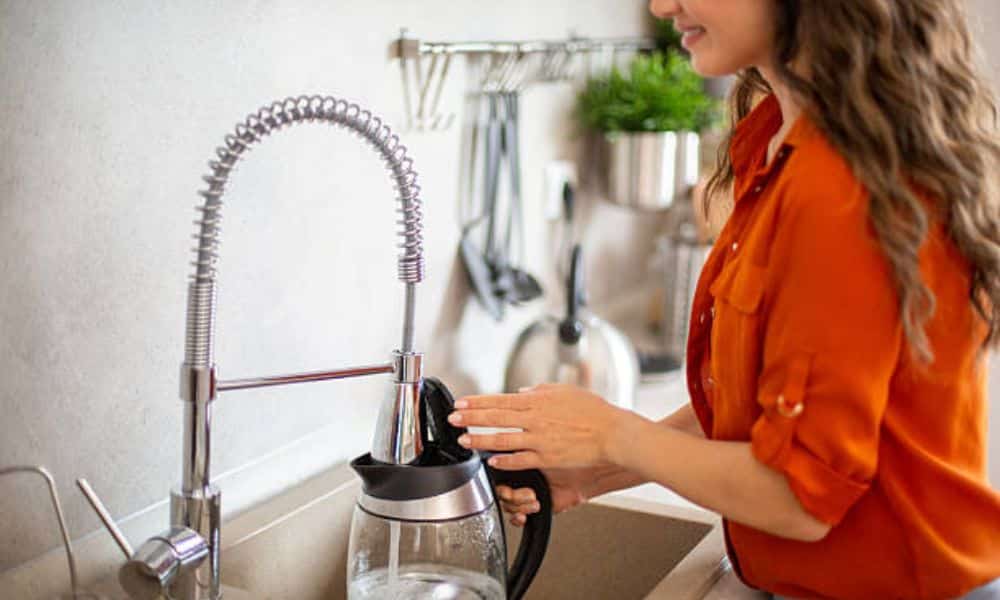
Electric kettles make life simple. You press one button, and water boils in minutes. I use mine every day for tea, coffee, and quick cooking. But after weeks of use, I noticed white spots inside the kettle. At first, I ignored them. Later, I realized it was limescale buildup from minerals in water. Cleaning an electric kettle is easy. You do not need harsh chemicals or expensive tools. With a few simple ingredients from your kitchen, you can remove stains, odors, and scale safely. In this guide, I will share the best electric kettle cleaning tips I have learned from daily use.
Why Cleaning Your Electric Kettle Matters

Cleaning an electric kettle matters because mineral buildup forms inside every time water boils. Many kettles look clean on the outside, yet the inside slowly collects scale from minerals in water. This buildup affects taste, speed, and performance. Regular cleaning protects the kettle and keeps water fresh.
Minerals in water create white deposits called limescale. These deposits stick to the heating element and walls of the kettle. Over time the layer grows thicker and blocks heat transfer. A clean kettle boils water faster and uses less electricity.
Taste also changes in a dirty kettle. Minerals and residue alter the flavor of hot drinks. Tea and coffee lose their natural taste. Clean equipment always produces better flavor.
A dirty kettle also works harder to boil water. The heating element must push through the mineral layer. This extra effort slows boiling and wastes energy. Regular cleaning restores normal heating speed.
How Often Should You Clean an Electric Kettle
Regular cleaning keeps mineral buildup under control. Cleaning frequency depends on water minerals and daily usage. Heavy mineral water creates scale faster than filtered water. A simple schedule keeps the kettle fresh.
Light kettle use usually needs cleaning once every three or four weeks. Daily tea or coffee drinkers benefit from cleaning every two weeks. Areas with hard water require more frequent care. A weekly rinse helps reduce heavy buildup.
White spots inside the kettle show early signs of scale. Chalky residue on the metal surface signals mineral deposits. These marks act as reminders that cleaning time arrived. Quick action prevents thicker layers later.
A weekly rinse also supports long-term care. Emptying leftover water removes minerals that settle inside. Fresh water each day reduces scale formation. Small habits prevent large cleaning tasks later. Brown stains inside a kettle often come from mineral buildup, so learning how to remove them helps keep your kettle clean and efficient.
Signs Your Electric Kettle Needs Cleaning
Several signs reveal mineral buildup inside a kettle. White patches often appear along the metal surface. Flakes may float in boiling water. These signs show that scale has formed.
Water taste also provides a clue. A metallic or dull flavor signals mineral residue. Tea and coffee may taste weaker or strange. Cleaning restores the natural taste of boiled water.
Boiling speed also changes with buildup. Thick mineral layers block heat transfer from the element. The kettle needs more time to reach boiling temperature. A clean interior allows faster heating.
Texture inside the kettle offers another signal. A rough or chalky surface indicates heavy mineral deposits. Smooth metal surfaces turn grainy with scale. Gentle cleaning restores the original finish.
I once noticed tiny flakes floating in my tea cup. The sight surprised me and pushed me to check the kettle interior. Mineral scale had formed around the heating plate. Cleaning removed the residue and the flakes disappeared instantly.
Electric Kettle Cleaning Tips Using Vinegar
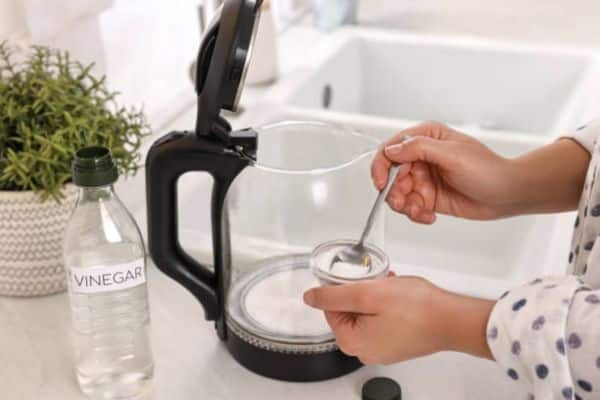
Vinegar stands as one of the most effective natural kettle cleaners. The mild acid dissolves mineral deposits quickly. This process breaks down stubborn limescale. Vinegar cleaning works well for deep scale removal.
The method remains simple and reliable. Fill the kettle halfway with water. Add the same amount of white vinegar. This mixture begins breaking down mineral deposits.
Boil the solution inside the kettle. Heat activates the acid and loosens scale from the metal surface. Allow the mixture to rest for about twenty minutes. The scale begins separating from the kettle walls.
Pour the solution out after soaking. Rinse the kettle several times with fresh water. This step removes loosened minerals and vinegar residue. Fresh boiling water afterward clears any remaining smell.
Vinegar cleaning became my favorite solution. The process removes heavy buildup quickly. The kettle surface shines again after rinsing. Boiling speed also improves right away.
Cleaning an Electric Kettle With Lemon

Lemon offers another natural solution for kettle cleaning. Citric acid inside lemon breaks down mineral deposits. This natural acid works gently yet effectively. Lemon also leaves a fresh scent inside the kettle.
Slice a fresh lemon into pieces. Place the slices inside the kettle. Fill the kettle with water. The citrus solution prepares to dissolve scale.
Boil the mixture for several minutes. Heat activates the citric acid inside the lemon. Allow the mixture to rest for about fifteen minutes. The acid loosens mineral buildup during this time.
Rinse the kettle thoroughly after pouring out the solution. Fresh water removes leftover citrus residue. The interior surface appears cleaner and brighter. A light citrus scent replaces the dull mineral smell.
Lemon cleaning works well for mild buildup. The natural scent makes the process pleasant. Many people prefer lemon over vinegar for this reason. It feels like a fresh reset for the kettle.
Baking Soda Cleaning Method
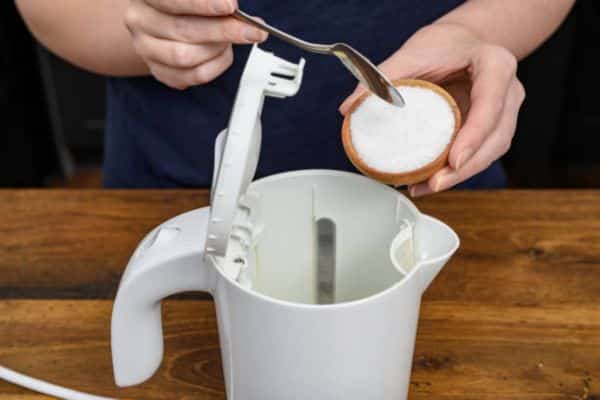
Baking soda works as a gentle cleaner for stains and odors. This natural powder lifts residue without damaging metal surfaces. The method suits kettles with mild buildup. Baking soda also removes unpleasant smells.
Add one tablespoon of baking soda to the kettle. Fill the kettle with water. Boil the mixture for several minutes. Heat activates the cleaning action.
Allow the solution to rest for about fifteen minutes. Baking soda loosens residue and stains during this time. Pour the solution out after soaking. Rinse the kettle thoroughly with fresh water.
Soft sponges help remove stubborn stains. Gentle scrubbing lifts residue from the metal surface. Avoid metal brushes because they scratch the kettle interior. Smooth surfaces last longer with gentle cleaning tools.
Baking soda works best as a mild cleaner. The method refreshes the kettle and removes odors. The process also protects the heating element. It remains one of the safest natural cleaning methods.
Final Thoughts
Electric kettles perform a simple yet important job in the kitchen. Regular cleaning keeps them safe, efficient, and reliable. Mineral buildup affects taste, boiling speed, and energy use. Removing scale restores normal performance.
Natural cleaners like vinegar, lemon, and baking soda offer safe solutions. These ingredients dissolve mineral deposits without harsh chemicals. Simple routines maintain a clean kettle interior. The result brings better tasting water and faster boiling.
My own kettle taught me this lesson. A few minutes of cleaning restored performance and taste. The kettle now boils faster and runs smoothly. Regular care keeps the appliance working like new.
