

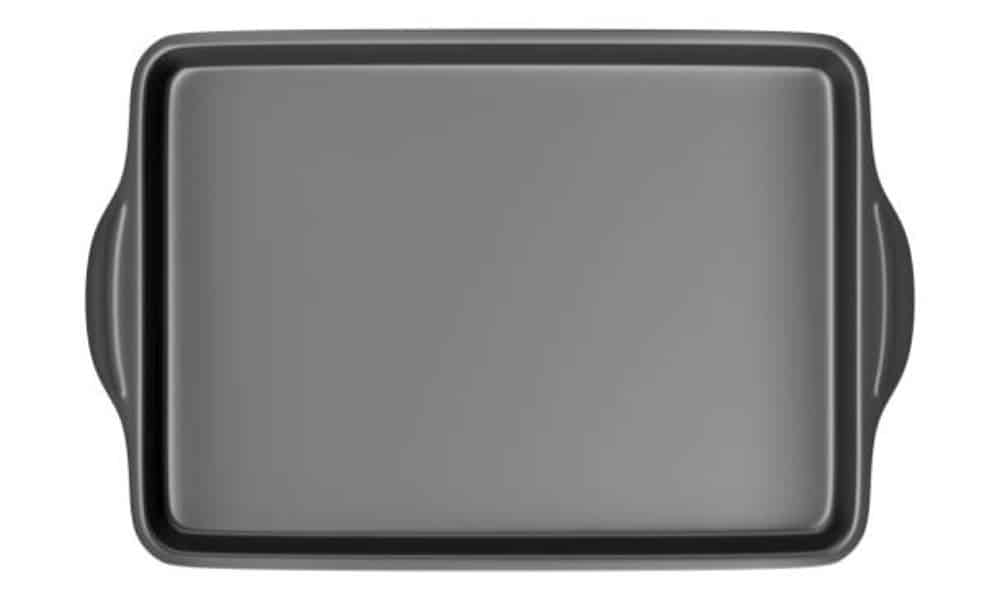
What are baking trays made of? I asked myself that question after ruining a tray of cookies on a cheap pan that heated unevenly and burned the bottoms in minutes. At first, I thought my oven was the problem, but the real issue was the tray material.
Baking trays come in aluminum, stainless steel, carbon steel, and non-stick designs, and each one changes the way food cooks, browns, and cleans up afterward. In this guide, I’ll share my experience with different trays, explain half sheet pan measurements and sheet pan dimensions, and help you find the best cookie sheets for your kitchen.
Aluminum Baking Trays
Aluminum baking trays are the most common choice in American kitchens. They are light, affordable, and heat evenly across the surface. Many professional bakers also use aluminum because it responds quickly to oven temperature changes.
I personally love aluminum trays for cookies and roasted vegetables. The heat spreads evenly, which helps food brown without burning. My favorite half baking sheet is made from heavy-gauge aluminum. Even after years of use, it still performs well.
Aluminum trays also cool quickly after baking. That makes them easier to handle during busy cooking sessions. Thin aluminum trays can warp under high heat, though. Cheap versions sometimes bend loudly inside the oven, which can feel alarming the first time.
Heavy-duty aluminum baking sheets usually last much longer and provide better results.
Stainless Steel Baking Trays
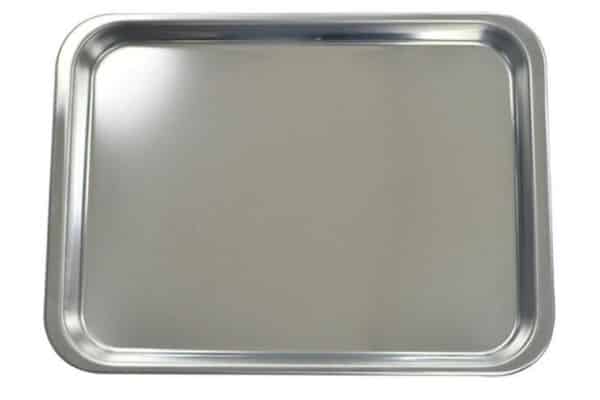
Stainless steel baking trays feel strong and solid. They resist rust and scratches better than many other materials. Some people prefer stainless steel because it does not react with acidic foods.
I once switched to stainless steel for a few months because I wanted something more durable. The trays survived years of rough cleaning and constant use. The only downside was slower heat transfer. Cookies baked a little lighter compared to aluminum pans.
Stainless steel trays work well for roasting meats and reheating food. They are also easier to maintain over time. Many people enjoy the clean, polished appearance of stainless steel in modern kitchens.
For baking delicate cookies or pastries, aluminum still gives more consistent browning in my experience.
Non-Stick Baking Trays
Non-stick baking trays became popular because cleanup feels almost effortless. Food slides off easily, which makes them appealing for beginner bakers and busy families.
I used non-stick trays heavily during college because I hated scrubbing pans after cooking. They made life easier during long study nights and quick meal prep sessions. Pancakes, cookies, and frozen snacks released smoothly every time.
The coating can wear down over time, though. Metal utensils may scratch the surface and reduce performance. High heat also shortens the life of some non-stick trays.
Many bakers now choose ceramic-coated non-stick options because they feel safer and more durable. Gentle cleaning helps these trays last longer.
Carbon Steel Baking Trays
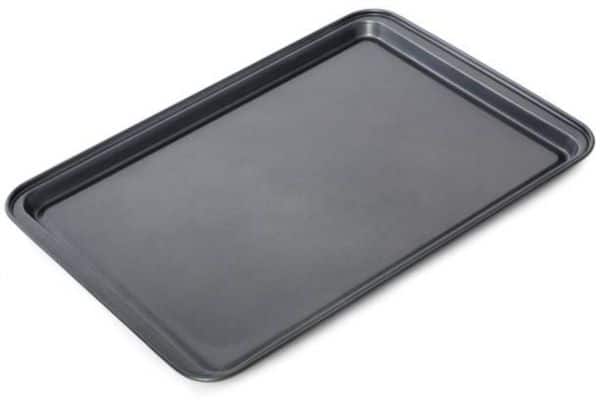
Carbon steel baking trays are strong and dependable. Many restaurants and bakeries use them because they handle intense heat very well.
The first time I used a commercial baking sheet made from carbon steel, I noticed the difference immediately. The tray felt heavier and more stable than standard home pans. Vegetables roasted beautifully with crisp edges and rich color.
Carbon steel holds heat longer than aluminum. That helps create deeper browning during baking. It also makes the tray more resistant to warping.
Some carbon steel trays need seasoning to maintain performance. Others come with protective coatings already applied. These trays may cost more upfront, but they often last for many years.
Which Baking Tray Material Is Best?
The best material depends on what you cook most often. No single tray works perfectly for every recipe.
For cookies, aluminum remains my favorite choice. It heats evenly and creates soft centers with crisp edges. Many of the best cookie sheets use thick aluminum for this reason.
For roasting vegetables or meats, carbon steel performs wonderfully. The strong heat retention creates better texture and caramelization.
For everyday family cooking, a heavy-duty aluminum half baking sheet offers the best balance between price, performance, and durability. It handles cookies, sheet pan dinners, frozen foods, and meal prep without much trouble.
Stainless steel works best for people who want durability and easy maintenance. Non-stick trays fit busy households that value convenience and quick cleanup.
Understanding Half Baking Sheet Sizes
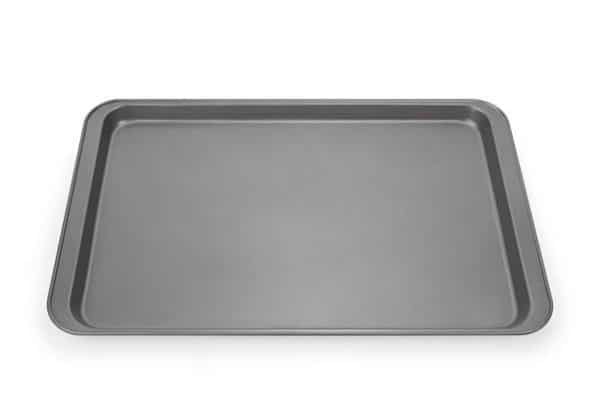
Many people hear terms like half baking sheet or sheet pan dimensions without knowing what they actually mean.
A half baking sheet is the most common baking tray size in the United States. It fits comfortably inside standard home ovens and works for many recipes.
The standard half sheet pan measurements are around 18 by 13 inches. Interior measurements may vary slightly depending on the rim thickness.
I use half sheet pans almost every day. They feel like the perfect middle ground. Large enough for roasting vegetables or baking cookies, yet small enough to handle comfortably.
Quarter sheet pans are smaller and work well for compact ovens or smaller meals. Full sheet pans are much larger and mostly used in restaurants or bakeries because they rarely fit standard home ovens.
Understanding sheet pan dimensions helps prevent buying trays that do not fit your kitchen setup.
Commercial Baking Sheet vs Home Baking Tray
Commercial baking sheets look similar to regular trays at first glance, but the quality difference becomes obvious during use.
Commercial trays usually use thicker metal construction. They resist warping better and distribute heat more evenly. Many also feature reinforced rims for extra strength.
I bought my first commercial baking sheet after getting frustrated with cheap pans bending in the oven. The difference felt huge. The tray stayed flat, heated evenly, and handled years of use without problems.
Home baking trays cost less and work fine for casual baking. Commercial trays suit people who bake frequently or want long-term durability.
The only downside is weight. Commercial baking sheets feel heavier and take up more storage space. Still, many serious home bakers believe the upgrade is worth it.
How To Choose the Right Baking Tray

Choosing the right baking tray starts with understanding your cooking habits.
People who bake cookies often should focus on aluminum trays with light-colored surfaces. Dark trays absorb more heat and may burn baked goods faster.
Families who roast vegetables or prepare sheet pan dinners may prefer carbon steel or stainless steel trays. These materials handle heavier foods well.
Tray thickness also matters. Thin trays warp more easily and often bake unevenly. Heavy-gauge metal costs more but performs better over time.
I also recommend looking for rolled rims or reinforced edges. These small design features improve durability and reduce bending during high heat cooking.
Cleaning style matters too. Some people prefer dishwasher-safe trays, while others hand wash everything. Gentle cleaning always helps trays last longer.
Common Problems With Baking Trays
Warping is one of the most common baking tray problems. Sudden temperature changes often cause this issue. Thin trays expand quickly under heat, which creates loud popping sounds and uneven surfaces.
I once ruined roasted potatoes because my tray warped halfway through cooking. Oil pooled into one corner, leaving the food unevenly cooked. Since then, I always choose thicker trays.
Food sticking is another common issue. Old non-stick coatings, poor greasing, or damaged surfaces often cause sticking problems.
Dark stains also appear over time, especially on aluminum trays. Most stains are harmless and simply show regular use. Baking soda paste usually helps remove stubborn marks.
Rust, peeling coatings, or severe warping are signs that a tray should be replaced.
Best Cookie Sheets for Home Bakers
The best cookie sheets combine even heating, durability, and easy handling.
Heavy aluminum cookie sheets remain my top recommendation for most home bakers. They create consistent results and usually cost less than premium materials.
Non-stick cookie sheets work well for easy cleanup and beginner baking. Carbon steel trays suit people who want stronger browning and professional-style performance.
Commercial baking sheet options often last longer than standard home trays. Many professional kitchens rely on them daily because they hold shape under constant heat.
Budget shoppers can still find good-quality trays by choosing heavy-gauge aluminum instead of extremely thin metal pans.
FAQs
What are baking trays made of most often?
Most baking trays are made from aluminum, stainless steel, carbon steel, or non-stick coated metal. Aluminum remains the most common choice for home baking.
Is aluminum safe for baking?
Yes, aluminum baking trays are generally safe for normal cooking and baking use. Many professional bakers prefer aluminum because of its even heat distribution.
What is the difference between a cookie sheet and a baking tray?
Cookie sheets usually have shallow or rimless edges, while baking trays often include raised rims to hold oils, juices, or sauces.
What are standard half sheet pan measurements?
Standard half sheet pan measurements are usually around 18 by 13 inches.
Which baking tray material lasts the longest?
Stainless steel and carbon steel trays usually last the longest with proper care.
Are commercial baking sheets better than regular ones?
Commercial baking sheets often provide better durability, heat distribution, and warp resistance compared to cheaper home baking trays.
Final Thoughts
Learning what are baking trays made of changed the way I cook at home. Before understanding tray materials, baking felt inconsistent and frustrating. Some meals turned out beautifully, while others failed for no clear reason.
Today, I pay close attention to tray quality, thickness, and material before buying anything new. A reliable baking tray feels like a quiet helper inside the kitchen. It supports every meal without demanding attention.
For most people, a heavy-duty aluminum half baking sheet offers the best mix of value and performance. Serious bakers may enjoy commercial baking sheet options or carbon steel trays for long-term durability.
Good baking starts with simple tools. The right tray may seem small, yet it can completely change the way food looks, tastes, and feels fresh from the oven.
