

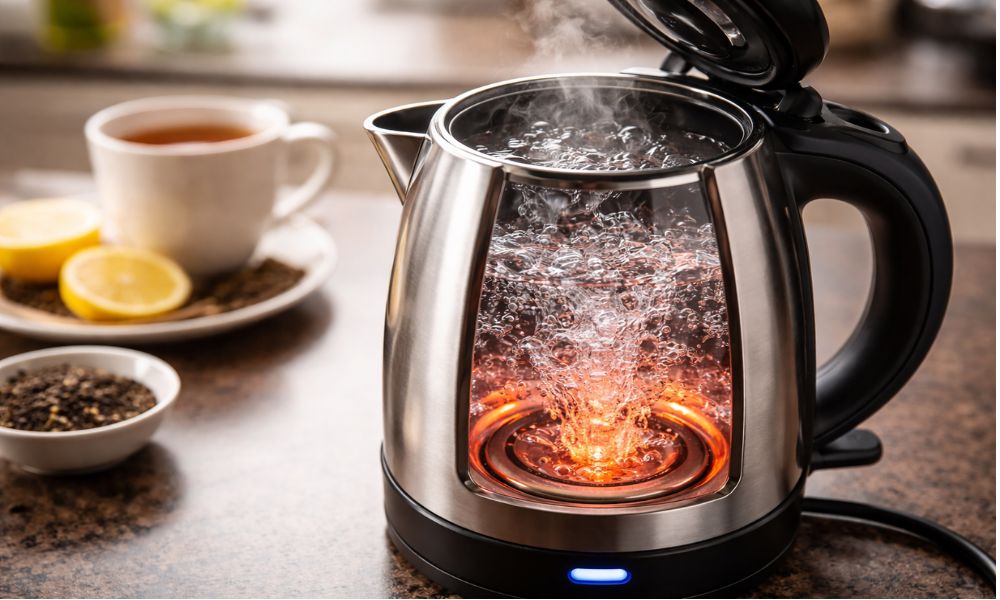
I still remember the first time I used one and thought, how do electric kettles heat so fast? The water boiled before I even found my mug. It felt like a small kitchen miracle.
Then I learned about the electric kettle heating element and high wattage design. Strong direct heat, less waste, and smart engineering explain why electric kettle boils water faster than stove. In this guide, I will break down how electric kettle works step by step and what electric kettle energy efficiency really means for your home.
Quick Answer – How Do Electric Kettles Heat So Fast?
Electric kettles heat water quickly because a built-in electric kettle heating element sends high wattage power, usually 1200–1800 watts in the USA, straight into the base. Heat moves directly into the water with very little loss. This tight design boosts electric kettle energy efficiency and shortens boiling time.
How Electric Kettles Work Step by Step
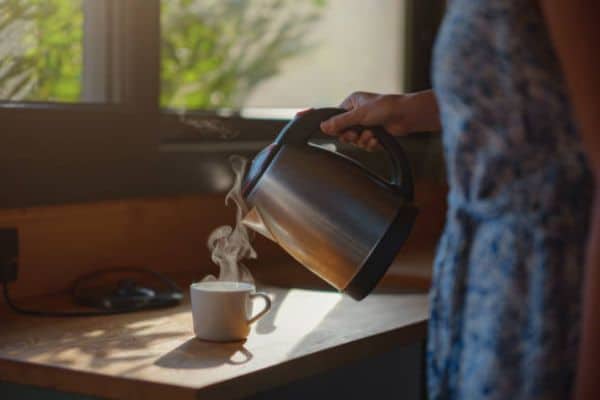
Step 1 – Electricity Flows to the Heating Element
Power moves from the outlet into a metal coil or flat heating plate at the base. This electric kettle heating element sits under the water chamber. The short path from plug to plate keeps energy focused and steady.
Step 2 – Electrical Energy Converts to Heat
The metal element resists the electric current. That resistance creates heat. This simple science, called resistance heating, turns electrical energy into thermal energy in seconds.
Step 3 – Heat Transfers Directly to Water
The hot plate touches the bottom surface of the kettle. Water sits right above it. Direct contact reduces waste and explains why electric kettle boils water faster than stove setups.
Step 4 – Auto Shut-Off Activates at Boiling Point
Steam rises inside the kettle and reaches a small thermostat sensor. The sensor cuts power at boiling point. This system protects the unit and improves overall electric kettle energy efficiency.
The Secret – Electric Kettle Heating Element Design
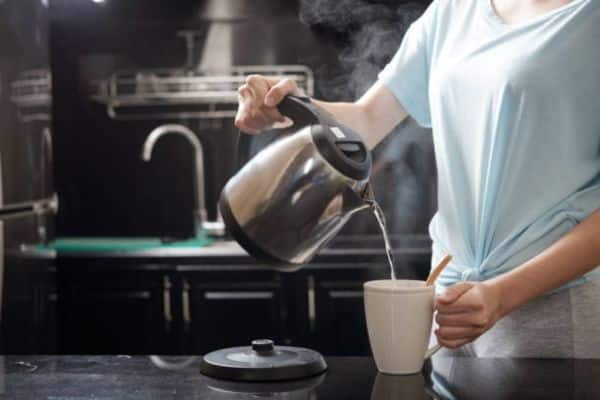
Modern kettles use either exposed coils or concealed flat plates. Flat plates cover more surface area and spread heat evenly. More contact area means quicker heat transfer and better performance.
Stainless steel plates hold heat well and resist rust. Copper conducts heat faster, yet most kettles rely on steel for safety and durability. Surface design shapes boiling speed more than many realize.
A newer flat-base model in one kitchen boiled nearly forty seconds quicker than an older coil version. That small change in design showed how powerful surface contact can be. Limescale can slow heating and waste energy. Follow this guide to clean Cuisinart electric kettle and keep it boiling fast.
Electric Kettle Wattage and Boiling Time Explained
Electric kettle wattage and boiling time connect in a clear way. Higher wattage delivers more energy per second. That energy raises water temperature faster.
In the USA, common ratings include 1000W, 1500W, and 1800W. A 1500W unit often boils one liter in about four to five minutes. Lower wattage models may take longer.
A stove burner spreads heat around a pot. A 1500W kettle directs nearly all power into the base. Focused energy explains the shorter wait.
Why Electric Kettle Boils Water Faster Than Stove
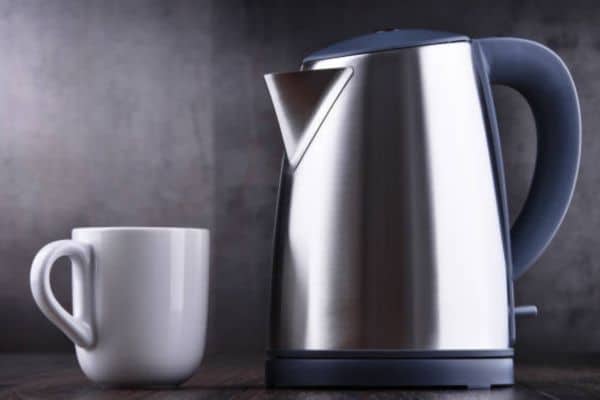
An electric kettle uses direct heat transfer inside a closed chamber. Heat stays trapped and moves upward into the water. Little energy escapes into the room.
Gas stoves lose heat around the sides of the pot. Flames heat the air as well as the metal. That lost heat slows the rise to boiling point.
Induction stoves perform better than gas, yet small water volumes still favor a kettle. A quick cup of tea often reaches boil sooner in a compact unit.
Electric Kettle Energy Efficiency – Is It Cheaper?
Electric kettle energy efficiency often reaches 80–90 percent. Gas stoves average closer to 40–55 percent. Less wasted heat means more useful output.
At average USA electricity rates, boiling one liter costs only a few cents. Smaller amounts cost even less. Boiling only what is needed keeps energy use tight and smart.
Factors That Affect How Fast a Kettle Heats
Water volume plays a big role. More water means more mass to heat. Less water reduces total energy demand.
Starting temperature also matters. Cold tap water takes longer than room temperature water. Limescale buildup can slow heat transfer by forming a thin barrier on the plate.
Voltage stability, lid position, and interior cleanliness all shape performance. A clean base supports strong contact between the electric kettle heating element and the base, ensuring steady boiling.
My Personal Experience Switching from Stove to Electric Kettle
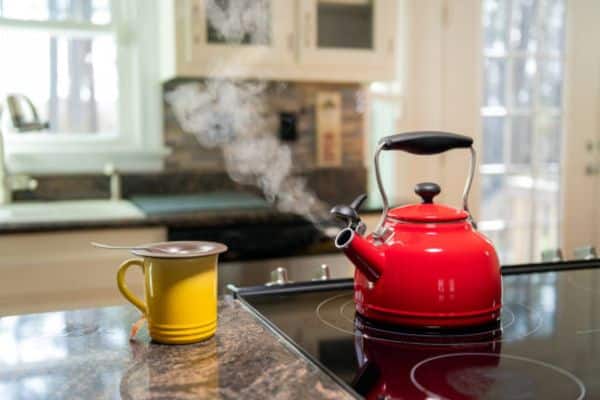
A shift from stove to kettle changed daily routines. Morning coffee felt smoother and calmer. Water reached boil before the cup left the shelf.
Time savings added up each week. Energy use also seemed lower based on simple utility tracking. Convenience and control made the kettle the clear favorite for daily drinks.
Common Myths About Electric Kettles
Higher wattage does not always mean better design. Build quality and plate contact matter just as much. Balanced engineering wins over raw numbers.
Some believe kettles use more electricity than stoves. In reality, focused heat improves electric kettle energy efficiency. Others assume all models perform the same, yet heating element design changes results.
FAQs
How fast does an electric kettle boil water?
Most standard 1500W models boil one liter in about four to five minutes. Higher wattage units may reduce that time slightly.
What wattage kettle boils fastest?
Models rated around 1800W tend to boil fastest in typical USA homes. Proper wiring and clean heating plates support peak output.
Do electric kettles use a lot of electricity?
Electric kettles use short bursts of high power. Total energy use remains low due to fast heating and strong efficiency.
Is an electric kettle more efficient than microwave?
Microwaves heat water unevenly and lose energy to surrounding air. Kettles focus heat at the base and often show better consistency and efficiency.
Does limescale slow down boiling?
Mineral buildup creates a thin barrier on the heating plate. That layer reduces heat transfer and may extend boiling time.
Conclusion
Electric kettles heat quickly because water comes into direct contact with a powerful heating plate. High wattage, tight design, and strong electric kettle energy efficiency reduce waste and boost speed.
Homes that boil small amounts often benefit most. A 1500W or 1800W unit balances speed and power well. Simple design, smart engineering, and focused heat explain the rapid results.
