

My tea once tasted dull and chalky. I had no clue why. So I searched for how to clean an electric kettle with vinegar and found the real problem hiding inside.
Hard water leaves mineral scale that slows boiling and wastes energy. It can reduce heating power by up to 20 per cent. I saw white flakes and knew I had to descale electric kettle parts fast.
In this guide, I’ll show you how to clean electric kettle the simple way. You’ll learn how to descale a kettle safely and keep every cup fresh and clean.
Quick Answer – How To Clean An Electric Kettle With Vinegar
To clean your kettle fast, fill it halfway with equal parts water and white vinegar. Bring it to a boil. Let it sit for 20 to 30 minutes. Empty it, rinse well, then boil fresh water once before use. This simple method removes limescale safely and restores a clean taste.
Why You Need To Descale An Electric Kettle
Limescale is a hard, white layer made of minerals from water. It sticks to the base and walls over time. This buildup can cut heating power by up to 20 per cent, based on energy efficiency studies. A scaled kettle works harder and uses more electricity.
I noticed my kettle took longer to boil. The tea tasted dull and odd. I even saw tiny white flakes in my cup. That was my sign to descale electric kettle parts right away.
Think of limescale like plaque on teeth. It builds slowly and hides in plain sight. Once removed, the kettle runs smoothly again, and your drinks taste fresh.
What You Need Before Cleaning Your Kettle
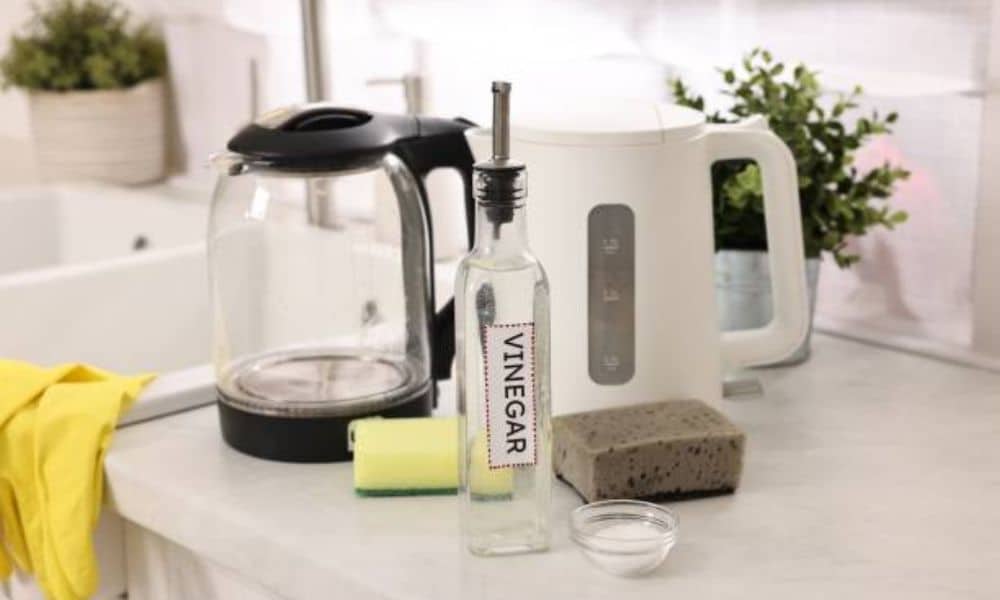
You only need a few simple items. White distilled vinegar, clean water, and a soft sponge will do the job. Baking soda can help with tough spots.
Vinegar works because it contains acetic acid. That acid breaks down calcium carbonate, which forms limescale. It is basic kitchen science, yet very powerful.
Keep tools gentle. A soft cloth protects the surface and keeps the inside smooth. This step keeps your kettle safe and clean.
Step-By-Step – How To Clean An Electric Kettle With Vinegar
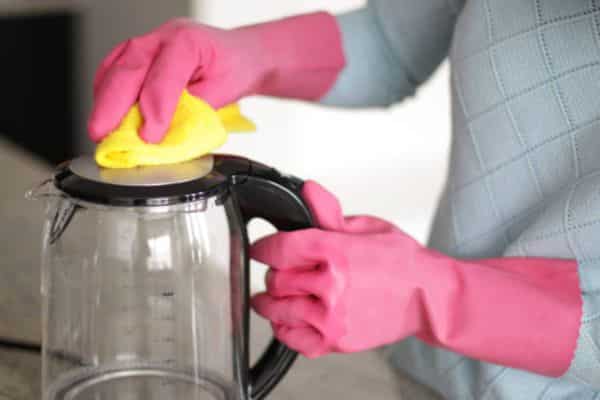
Step 1 – Prepare The Vinegar Solution
Mix equal parts water and white vinegar. A 1-to-1 ratio works best. Fill the kettle halfway to avoid overflow.
This balance is strong enough to break the scale, yet safe for most stainless steel and glass models.
Step 2 – Boil The Solution
Turn the kettle on and let the mixture reach a full boil. Keep the lid closed and avoid overfilling. Steam will rise, so give it space.
Boiling helps the solution reach every corner inside.
Step 3 – Let It Sit
Allow the hot mixture to sit for 20 to 30 minutes. This soak time loosens hard mineral layers.
The heat and acid work together to dissolve buildup. It is simple chemistry doing quiet repair work.
Step 4 – Rinse Thoroughly
Pour the mixture out. Rinse the kettle several times with clean water.
This removes loose scale and any sharp vinegar smell.
Step 5 – Boil Fresh Water Once
Fill with plain water and boil once. Discard that water.
This final boil clears any leftover taste and leaves the kettle fresh.
How To Clean Electric Kettle Without Boiling
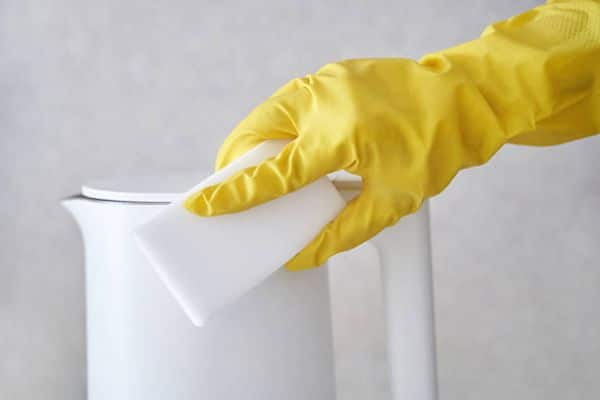
Some people prefer a no-boil method. You can fill the kettle with the vinegar mix and let it soak for a few hours. An overnight rest works well for light buildup.
This method suits delicate models. It also saves energy. The acid still breaks down scale, just at a slower pace.
How To Descale A Kettle With Heavy Buildup
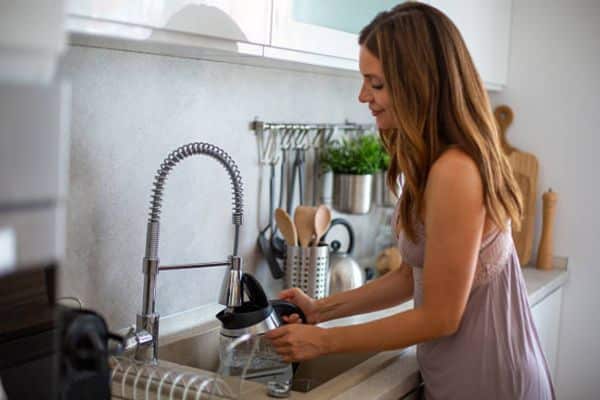
Heavy scale may need a second round. Repeat the vinegar process for deep layers. A paste of baking soda and water can scrub stubborn spots.
I moved to a hard water area once, and the scale built up fast. I had to descale the electric kettle parts twice in one week. After that, I set a monthly reminder.
Commercial descalers also work, though vinegar remains my first choice. It is simple, cheap, and proven.
How Often Should You Clean Your Electric Kettle?
In soft water areas, clean every two to three months. In hard water regions, once a month is better.
Look for white flakes, slower boil time, or a metallic taste. These signs mean it is time to descale.
Regular care keeps energy use low and taste pure.
Common Mistakes I Made Cleaning My Kettle
I once used too much vinegar. The smell lingered for days. A simple rinse cycle fixed that lesson.
I also scrubbed with a rough pad. That left tiny scratches. Now I stick to soft cloths only.
Another mistake was ignoring the small filter near the spout. Cleaning that piece makes a big difference.
Can You Use Lemon Juice Or Baking Soda Instead?
Lemon juice works similarly to vinegar. It contains citric acid, which breaks down scale.
Baking soda helps with spot cleaning. It scrubs gently without harsh damage.
Commercial descalers act faster, though they cost more. Vinegar stays my go to choice for daily home care.
Is Vinegar Safe For Stainless Steel And Glass Kettles?
Yes, diluted vinegar is safe for most stainless steel and glass kettles. A proper ratio protects the surface.
Avoid use on certain coated interiors. Always check your manual for guidance.
Used the right way, vinegar is both safe and effective.
FAQs
How long should vinegar sit in a kettle?
Let the mixture sit for 20 to 30 minutes. This time allows scale to loosen and dissolve.
How do I clean my kettle if it smells like vinegar?
Rinse well and boil fresh water once or twice. The smell fades quickly after a full rinse cycle.
Can I descale electric kettle without vinegar?
Yes, lemon juice or commercial descalers can work. Vinegar remains the most affordable option.
How do I clean electric kettle daily?
Rinse with fresh water and wipe dry after use. This slows mineral buildup.
Is it safe to boil vinegar in an electric kettle?
Yes, diluted vinegar is safe for most models. Use equal parts water and vinegar for best results.
Final Thoughts
A clean kettle saves energy and improves taste. It also extends the life of the appliance.
I treat mine like a trusted kitchen partner. A short cleaning routine every month keeps it running smooth.
Simple care brings long rewards. Your tea, coffee, and peace of mind will thank you.
