

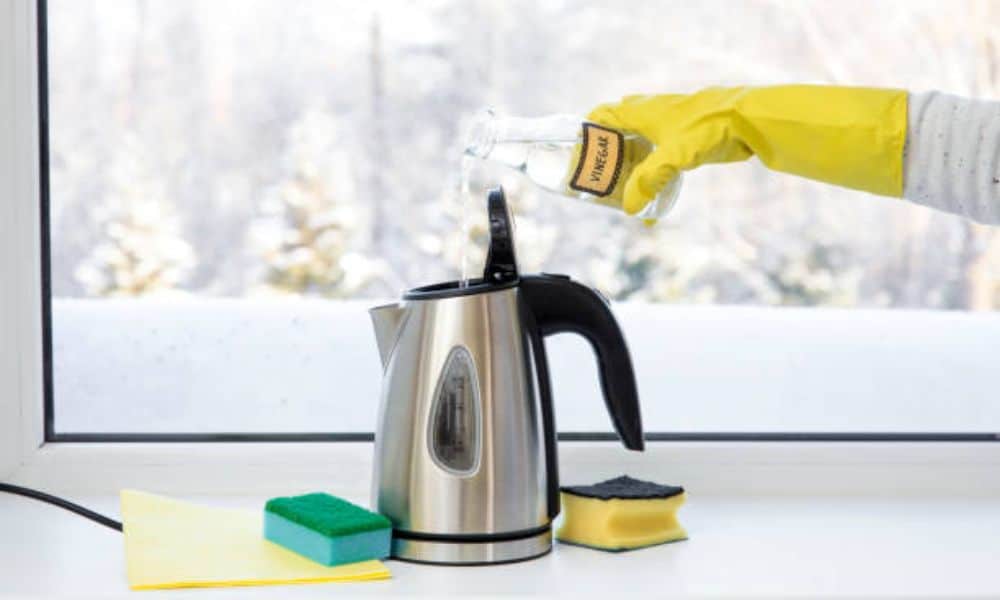
How to descale an electric kettle sounds complicated, yet it is one of the easiest kitchen fixes. I still remember opening mine and seeing a white crust along the bottom. My tea tasted dull, and the kettle took longer to boil. That small change told me something was off.
That white layer is mineral buildup from hard water. It can slow heating, waste energy, and affect taste. I learned how to clean electric kettle interiors with simple methods like vinegar, and the results were instant. In this guide, I’ll show you how to descale a kettle safely and keep it clean so every cup tastes fresh again.
What Is Limescale and Why You Need to Descale Electric Kettle Regularly
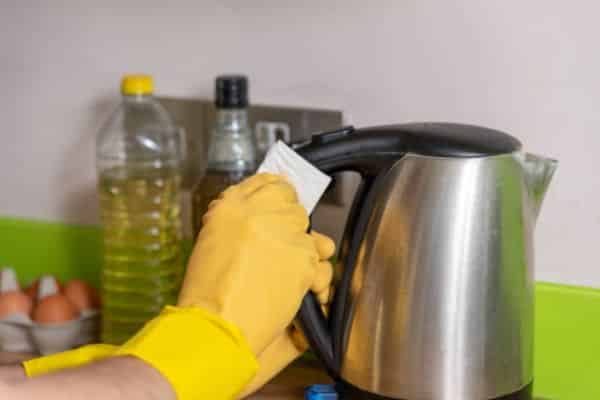
Limescale is a hard, white layer made of calcium and magnesium from tap water. It forms after water boils and leaves minerals behind. Many homes across the United States have hard water, so buildup happens fast. I noticed it as a rough ring at the bottom of my kettle.
Hard water areas create more scale due to higher mineral levels. That crust wraps around the heating plate like a thin shell. Heat moves slower through that layer. Over time, the kettle struggles to work at full speed.
Buildup affects boiling speed, taste, and energy use. My kettle once boiled quickly, then it started taking much longer. The water tasted flat, almost metallic. That change pushed me to descale electric kettle parts more often.
How to Descale an Electric Kettle With Vinegar
The most effective way to remove scale is simple. Use white vinegar and water. You only need vinegar, clean water, and a soft sponge or cloth. This method works fast and uses items already in most kitchens.
Mix equal parts vinegar and water, then fill the kettle halfway. Bring it to a boil and let the liquid sit for about twenty minutes. The acid breaks down the white crust sitting on the metal base. Rinse well, then boil fresh water twice to clear any smell.
Vinegar works because it contains acetic acid. That acid reacts with calcium deposits and loosens them from the surface. Many appliance experts recommend this approach since it is safe and low cost. This is why people often search how to clean kettle with vinegar for reliable results.
How to Descale a Kettle Without Vinegar
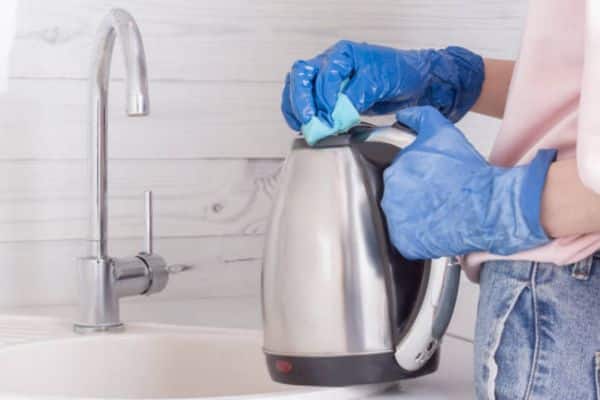
Lemon juice is a natural option with a fresh scent. Fill the kettle with water and add a few tablespoons of lemon juice. Boil and let it rest, then rinse well. The natural acid helps gently soften buildup.
Baking soda works for light residue. Add a spoon to water, boil, and scrub softly after it cools. It does not dissolve heavy scale, yet it helps remove loose flakes. This method suits mild cleaning sessions.
Store-bought descaling solutions are stronger. They are made to tackle thick layers in older kettles. Always follow label steps and rinse well after use. Safety comes first with stronger cleaners.
How to Clean Electric Kettle Inside and Outside Properly
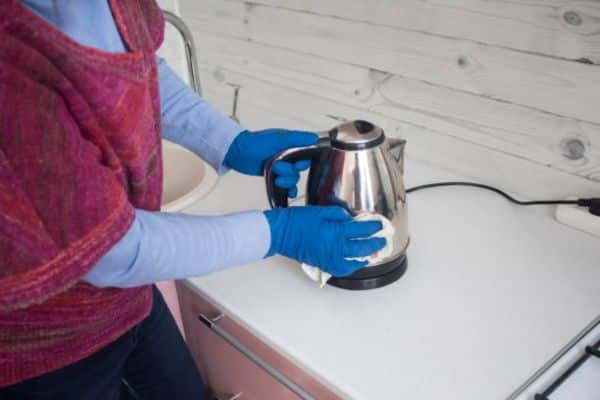
Cleaning the inside goes beyond scale removal. Pour out loose flakes and wipe with a soft sponge. Gentle pressure protects the heating plate. A clean interior helps water taste clear and fresh.
The outside also needs care. Stainless steel shines with a damp cloth and mild soap. Plastic surfaces stay smooth with light wiping. Avoid harsh pads since they scratch and dull the finish.
How Often Should You Descale an Electric Kettle?
Descaling frequency depends on water hardness. Homes with hard water benefit from monthly cleaning. Moderate areas can clean every two to three months. Regular care keeps heating strong and steady.
Watch for white flakes, slow boil time, or a metallic taste. These signs show mineral buildup at work. I follow a simple monthly routine to stay ahead. That habit keeps my kettle quick and reliable.
Common Mistakes People Make When Descaling
Many people forget to rinse enough after cleaning. Leftover vinegar can affect taste. Some use too much acid, which is not needed. Equal parts vinegar and water are enough.
Scraping with sharp tools damages the heating plate. Gentle wiping works better. Ignoring the manual can also cause problems. Every kettle has slight design differences.
My Personal Experience Descaling My Electric Kettle
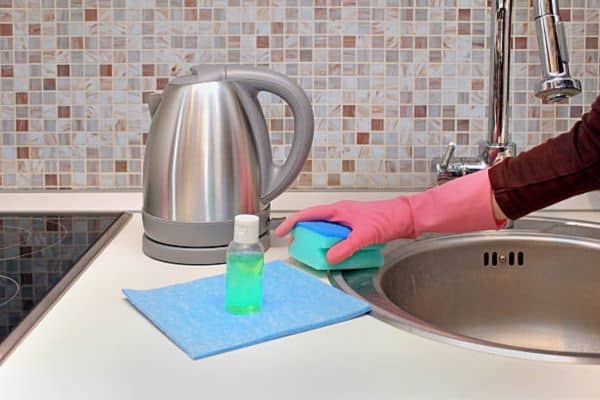
My first attempt was rushed. I used too much vinegar and did not rinse well. The smell lingered in my next cup of tea. That lesson taught me patience.
After I followed the correct steps, the difference was clear. Boil time improved, and the taste felt clean again. Now I descale electric kettle units on a schedule. That simple habit saves energy and extends appliance life.
FAQs
How do I clean my kettle naturally?
Use vinegar or lemon juice mixed with water. Boil, let sit, and rinse well. Natural acids dissolve mineral deposits safely.
Can I descale electric kettle with apple cider vinegar?
Yes, though white vinegar is preferred. Apple cider vinegar works, yet it may leave a light scent.
Is limescale harmful to health?
Limescale is mainly a mineral residue. It affects performance more than safety. Clean removal improves taste and efficiency.
How long should I leave vinegar in a kettle?
Let the boiled mixture sit for fifteen to thirty minutes. This gives the acid time to break down deposits.
How do I descale a kettle fast?
Boil a vinegar and water mix, let rest for fifteen minutes, rinse, and boil fresh water twice. This quick routine removes most buildup.
Final Thoughts
Simple maintenance protects your kettle and your budget. Clean metal heats faster and uses less power. Tea and coffee taste brighter in a clean pot.
I see descaling as basic kitchen care, like wiping a counter. A few minutes each month keeps things running smooth. Your kettle will thank you with every fresh, fast boil.
