

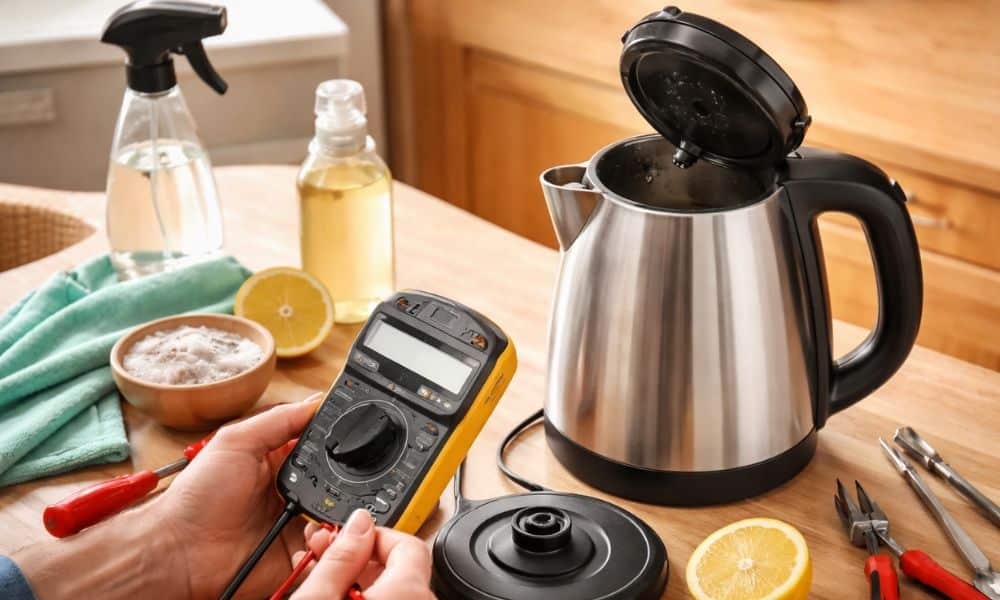
A kettle that lights up but does not boil can feel confusing. Many people search for how to fix a kettle that won’t boil after facing this issue. The power seems on, yet the water stays still.
Common concerns include why my kettle is not heating up or why a kettle turns on but doesn’t boil. In many homes, scale buildup or a loose base connection explains a kettle not working, but the light is on.
This guide explains simple steps to fix a kettle not reaching temperature and outlines how to repair an electric kettle at home safely before considering replacement.
Why Your Electric Kettle Is Not Boiling Water
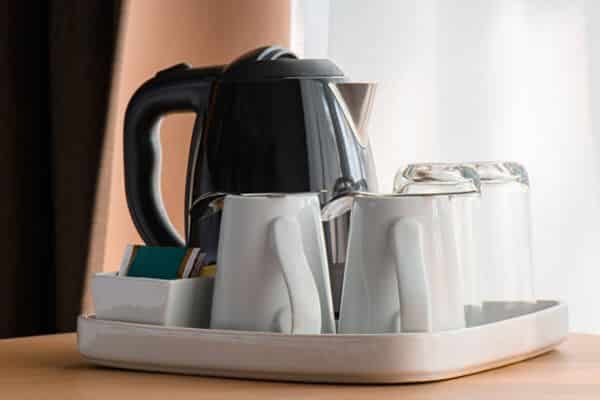
An electric kettle that stays quiet can feel odd. The light glows, yet the water sits still. Most cases have a simple cause. In short, heat fails due to scale, a weak part, or a poor connection.
1. Limescale Buildup Blocking Heating Element
Hard water leaves a chalky coat inside many U.S. homes. That white layer acts like a winter jacket around the metal plate. Heat struggles to pass through, so the kettle does not reach the desired temperature. In short, scale blocks efficiently transfer heat.
I once opened my kettle and saw a thick white crust on the base. A basic vinegar soak cleared it in one cycle. After that, the boil came back strong and steady. In short, descaling often restores full heat.
2. Faulty Thermostat or Auto Shut-Off
Every kettle has a safety cut-off to prevent dry boiling. A weak thermostat can trip too early, stopping the cycle. The water stays warm but never rolls into a full boil. In short, a failing thermostat cuts power before the boiling point.
Signs include early shut-off, random clicks, or long heating time. The unit may work one day and stall the next. Parts can wear out after years of daily use. In short, ageing sensors reduce control accuracy.
3. Loose Power Base or Cord Issue
A loose base can break a steady power flow. In many of these cases, the kettle turns on but doesn’t heat. Small gaps between metal contacts block energy transfer. In short, poor contact stops real heating.
A kettle not working but the light is on often points to this issue. The light circuit needs less power than the heating coil. The coil demands full current to raise water to 212°F. In short, partial power lights the bulb but fails to heat water.
4. Burned-Out Heating Element
A dead element means no heat at all. The kettle may look fine outside, yet the core metal plate no longer warms. No sound, no steam, no rise in temp. In short, a failed element equals zero boil.
Replacement parts can cost close to a new kettle. Basic models in the U.S. range from $25 to $60. Repair labour may exceed the unit value. In short, replacement makes more sense in many cases.
How To Fix A Kettle That Won’t Boil At Home (Step-by-Step)
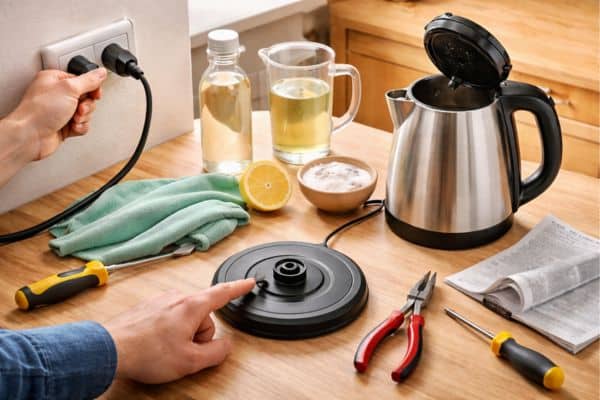
Most fixes start with simple checks. No tools required at first. Safety comes before testing. In short, basic steps solve many heating issues.
Step 1 – Check Power Source
Plug the kettle into another outlet. Test the socket with a phone charger or lamp. Rule out the wall first. In short, confirm steady power before deeper repair.
A loose breaker can also limit current flow. Reset the switch once. Stable power ensures fair testing. In short, the power check comes first.
Step 2 – Descale the Kettle Properly
Fill the kettle halfway with equal parts water and white vinegar. Bring the mix near a boil, then let it sit for 20 minutes. Rinse twice with clean water. In short, vinegar dissolves mineral buildup.
Lemon juice works for a lighter scale. Acid breaks down calcium deposits through a mild chemical reaction. This step often shows how to repair an electric kettle at home without tools. In short, acid cleaning restores heat flow.
Step 3 – Inspect Base and Contacts
Unplug the unit. Wipe the metal ring and centre pin with a dry cloth. Remove dust or grease. In short, clean contacts improve energy transfer.
Set the kettle back on the base with firm alignment. A steady fit matters. Loose seating reduces heating strength. In short, stable contact equals stable heat.
Step 4 – Reset Thermal Cut-Off
Some kettles have a reset button under the base. Check the manual for model details. Press gently once. In short, a reset may restore the internal safety switch.
Thermal cut-off protects against dry boil. A trip can stop future cycles. Resetting restores normal flow in some units. In short, the safety switch can pause heating.
Step 5 – Replacement as Smart Option
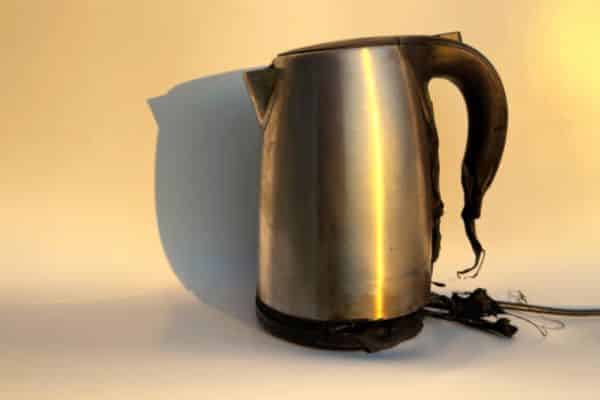
Burn marks, strong odour, or cracked parts signal a bigger risk. Repeated failure suggests internal damage. Safety matters more than savings. In short, replace unsafe units. Replacement may be the safer option after repeated failures. In that case, choosing the best electric kettle without plastic can reduce future heating issues and improve long-term durability.
Why Is My Kettle Not Heating Up Even Though The Light Is On?
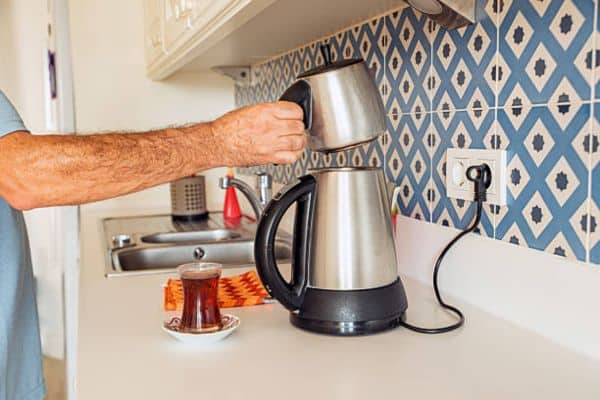
The light runs on a small circuit. The heating coil needs full electrical flow. A break in the heating path stops boiling even though power reaches the indicator. In short, the light and heater use separate paths.
This explains cases where the kettle turns on but doesn’t boil. Energy fails to reach the element at full strength. In short, partial current powers the bulb but not the heat.
How To Prevent Your Kettle From Failing Again
Regular Descaling Schedule
Hard water areas need cleaning every one to three months. Scale builds fast in mineral-rich regions. Routine care protects heart health. In short, regular descaling extends life.
Avoid Overfilling
Water above the max line can affect steam sensors. Extra pressure may trip the auto shut-off early. Stay within safe limits. In short, a proper fill level supports full boil.
Proper Cleaning Habits
Avoid steel wool or harsh scrub pads. These scratch the heating plate. A soft sponge works best. In short, gentle care preserves efficiency.
My routine includes a vinegar rinse every two months. That habit kept one kettle running over five years. In short, steady care saves money.
Signs Your Kettle Is Not Reaching Temperature Properly
- Water feels hot but never boils
- Steam rises without rolling bubbles
- Unit shuts off early
- Heating time grows longer each week
These signs show the kettle not reaching the temperature as expected. In short, slow or weak boil signals internal blockage or wear.
When To Call A Professional Or Replace The Kettle
A strong burning smell suggests wiring trouble. Frequent breaker trips show power strain. Cracked casing exposes risk. In short, electrical faults need expert help.
Safety standards in the U.S. require proper insulation and grounding. Damaged wiring raises a shock hazard. Replace units that show internal damage. In short, safety outweighs repair.
Quick Troubleshooting Checklist
- Check outlet
- Clean contacts
- Descale interior
- Inspect cord
- Test again
- Replace the unsafe unit
In short, simple checks solve many boil failures.
FAQs
Why is my electric kettle not boiling water?
Most cases relate to limescale buildup, a weak thermostat, or poor base contact. Mineral deposits block heat transfer and reduce efficiency. In short, cleaning or contact repair often restores the boil.
Why does my kettle turn on but doesn’t boil?
The indicator light runs on a separate circuit. The heating element may lack full current due to contact issues or internal damage. In short, light power does not guarantee heating power.
Can limescale stop a kettle from boiling?
Yes. Scale forms an insulating layer over the metal plate. Insulation slows heat transfer and limits water temperature rise. In short, mineral crust reduces boiling strength.
Is it worth repairing a kettle at home?
Simple fixes like descaling or cleaning contacts make sense. Internal coil failure often costs more than replacement. In short, minor issues merit repair, major faults merit replacement.
How long should an electric kettle last?
Most quality electric kettles last three to five years with regular care. Hard water areas may shorten the lifespan without descaling. In short, maintenance influences durability.
Conclusion
A kettle that will not boil often has a simple cause. Scale, loose contacts, or worn parts lead most cases. Many issues respond to basic cleaning and checks. In short, simple fixes solve most boil problems.
Regular descaling and gentle care protect heating strength. Watch for odd smells or visible damage. Safety comes first over cost. Before replacing the unit, review these steps and give it one more try.
