

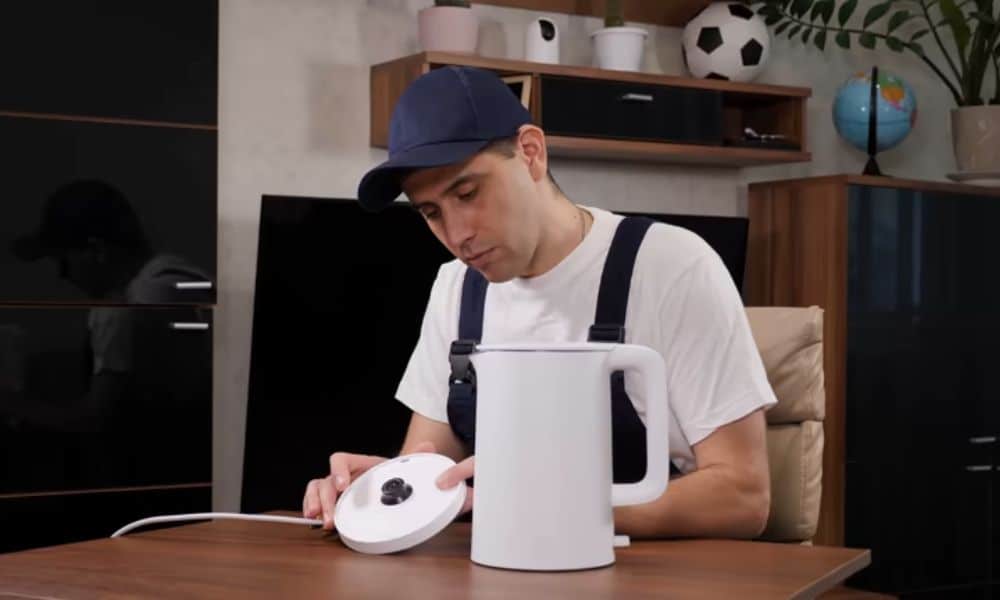
One morning my kettle sat silent with no light and no heat. That moment pushed me to learn how to fix broken electric kettle problems at home.
Many kettles stop due to small issues. A loose base contact, mineral scale, or worn switch often explains why electric kettle stopped working. This guide shows simple ways to repair electric kettle at home and troubleshoot electric kettle problems safely.
Why My Electric Kettle Stopped Working
A quiet kettle can feel strange in the kitchen. Many people wonder why the electric kettle stopped working even though it worked well the day before. In most cases, the reason stays simple and easy to fix.
Power supply problems often cause the issue. A loose plug, weak outlet contact, or damaged cord can stop the kettle from turning on. A quick check of the base and socket often solves the problem.
Mineral buildup inside the kettle also affects heating. Hard water leaves a white scale on the heating plate. This layer blocks heat and may cause the kettle to shut off early.
Safety systems can also stop heating. Electric kettles include thermal protection that shuts down during high temperatures. A worn switch or loose lid sensor may also prevent the kettle from starting.
My Personal Experience Fixing a Broken Electric Kettle
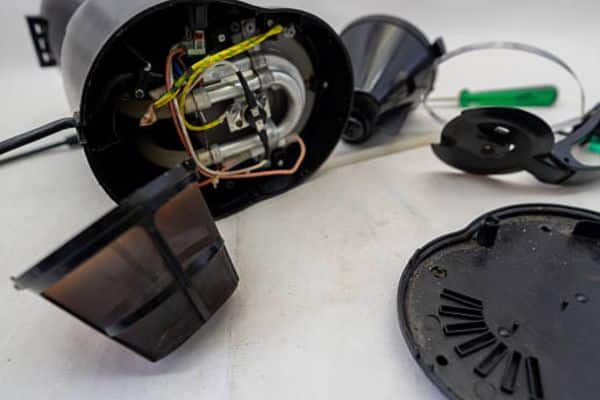
One calm evening, I filled my kettle for tea and pressed the switch. The familiar click never came. The kettle remained silent, and the indicator light stayed dark. That moment pushed me to inspect the appliance rather than replace it.
My first step involved checking the outlet and base contact. Both looked normal, so attention moved toward the kettle itself. A thin layer of mineral scale covered the heating plate, and the switch felt slightly stiff.
After a careful vinegar cleaning and a gentle switch inspection, the kettle returned to life. Water heated again with the same steady sound I remembered. That small repair taught a valuable lesson about how to repair electric kettle at home through patient observation.
Small appliances often hide simple problems behind quiet symptoms. A calm approach and a few careful checks reveal the cause more often than expected. That experience built confidence in handling kettle repairs safely and responsibly.
How To Repair Electric Kettle At Home (Step-By-Step)

Simple checks often restore a kettle without tools or replacement parts. A calm step-by-step approach helps reveal the real cause of failure. Many homeowners learn how to repair electric kettle at home through a few careful inspections.
Step 1 – Check the Power Base and Outlet
The base forms the electrical bridge between the kettle and the outlet. Poor contact at this point stops the heating cycle instantly. A quick test with another socket often reveals whether the outlet supplies steady power.
The kettle should also sit firmly on the base. A slight tilt prevents the internal connector from touching the heating plate contact. Correct placement often restores the kettle immediately.
Step 2 – Inspect the Power Cord
The cord carries electricity from the wall to the heating base. Over time, repeated bending weakens internal wires. Visible cracks or soft spots along the cord often signal damage.
A damaged cord interrupts power flow and prevents the kettle from starting. Replacement restores safe electrical delivery and protects the appliance from further faults.
Step 3 – Reset the Kettle Safety Cutoff
Thermal protection systems exist inside most kettles. These mechanisms pause heating during excessive temperature buildup. The kettle simply refuses to activate until the internal parts cool down.
Allowing the kettle to rest for several minutes often resets this safety system. After cooling, the switch usually activates again and normal heating resumes.
Step 4 – Clean Limescale Buildup
Mineral deposits slowly collect on the heating plate. This buildup reduces heat transfer and slows boiling time. Thick scale layers sometimes trigger automatic shutdown.
A mixture of vinegar and water dissolves the mineral crust gently. A short heating cycle with this solution breaks down the deposits and restores smooth heating performance.
Step 5 – Check the Lid and Safety Lock
Many kettles include a lid safety system. Heating starts only once the lid closes securely. A loose or misaligned lid prevents the internal switch from engaging.
Pressing the lid firmly into place often solves the problem. A stable lock position allows the kettle to begin heating again without interruption. You can also explore my guide on best electric tea kettle without plastic to find safer kettle options for daily use.
Electric Kettle Not Turning On Fix
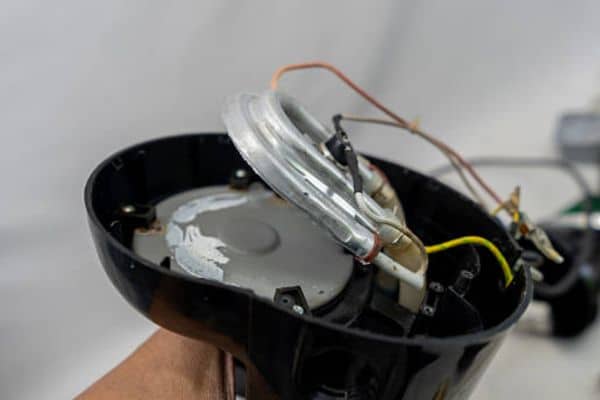
A kettle that refuses to start often signals a small interruption in power flow. Many users search for an electric kettle not turning on fix after pressing the switch with no response. In most cases, the solution involves simple adjustments.
The kettle should sit evenly on the base connector. Dirt or moisture around the contact points sometimes blocks electricity. A quick wipe restores a clean connection and allows power to reach the heating element.
Thermal safety systems also play a role in sudden shutdown. Allowing the kettle to cool resets this protective mechanism. After a brief rest, the switch usually activates again, and the kettle returns to normal operation.
A damaged cord or weak outlet may also interrupt the power supply. Testing the kettle in another outlet helps isolate the cause. Small electrical checks often restore the kettle without complex repair.
How To Fix Electric Kettle Heating Problem
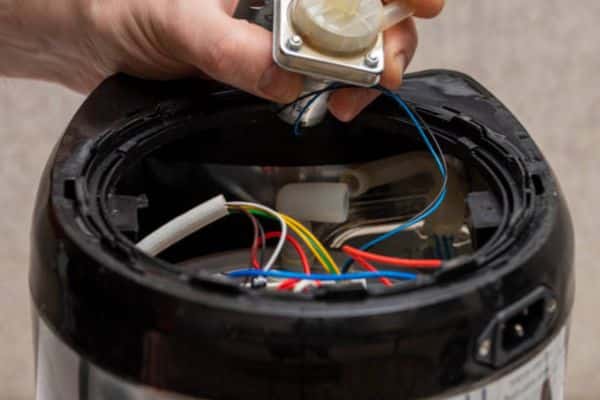
Heating issues often appear gradually rather than suddenly. Water warms slowly, or the kettle stops before boiling. Many homeowners search for how to fix electric kettle heating problem after noticing these changes.
Mineral scale remains the most common cause of weak heating. Hard water forms a chalky layer across the heating plate. This layer blocks direct heat transfer to the water.
A gentle descaling process restores normal heating efficiency. Vinegar or citric acid dissolves the mineral crust and clears the metal surface. Once clean, the heating plate transfers energy more smoothly.
Thermostat wear may also influence heating behaviour. The thermostat controls temperature limits and boiling detection. Careful inspection of this component often reveals deeper electrical faults.
Electric Kettle Switch Not Working Solution
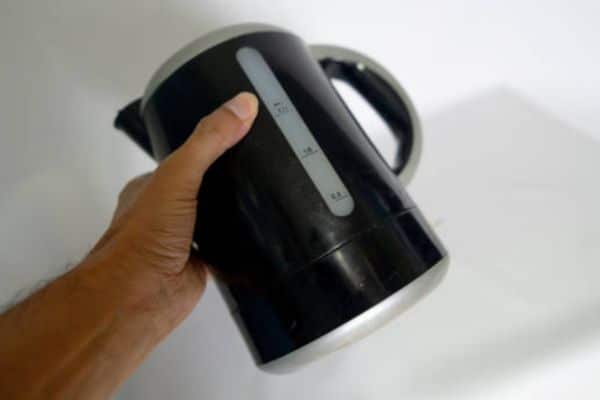
The switch forms the heart of the kettle’s control system. A simple press completes the electrical circuit and activates heating. Over time, this small mechanism begins to wear.
Many people search for an electric kettle switch not working after the switch refuses to stay down. Dust buildup or worn contact plates often cause the issue.
Cleaning the switch area sometimes restores smooth operation. A gentle inspection of the internal connectors also reveals loose parts. Tightening those connections improves electrical flow.
Severe switch damage requires replacement of the component. New switches restore reliable contact and protect the kettle from electrical failure.
How To Troubleshoot Electric Kettle Problems
A calm troubleshooting routine helps uncover the real cause of failure. Many appliance issues follow predictable patterns that appear in everyday kitchens. Learning how to troubleshoot electric kettle problems builds confidence and saves money.
The first step involves observing the kettle’s behaviour. A silent kettle often indicates a power interruption. Slow heating usually signals mineral buildup.
Switch problems appear through loose or unresponsive controls. Early shutdown often points toward thermal protection. Simple observation acts like a map that guides the repair process.
A short checklist helps narrow down the cause quickly. Power supply, heating plate condition, and switch response reveal most faults. Careful testing often restores the kettle without complex tools.
When an Electric Kettle Cannot Be Repaired
Some kettle failures move beyond simple repair. Severe internal damage often requires replacement for safety reasons. Electrical appliances rely on stable insulation and secure heating elements.
A burnt heating element usually marks the end of the kettle’s life. The metal coil loses its ability to transfer heat safely. Continued use under those conditions risks electrical hazards.
Severe wiring damage also signals replacement time. Exposed wires create safety concerns near water. A cracked kettle body presents similar risks.
Replacing the appliance protects both the kitchen and the user. Safety always deserves priority over repair attempts.
Tips To Prevent Electric Kettle Problems
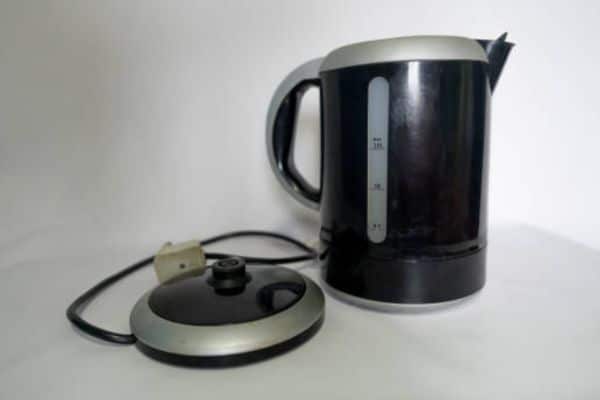
Regular care extends the life of any kitchen appliance. Electric kettles perform best with simple maintenance habits. Small routines protect both heating efficiency and internal components.
Monthly descaling keeps the heating plate clean. Mineral buildup never reaches thick layers through regular cleaning. This habit preserves fast boiling performance.
Avoiding overfilling also protects the kettle’s interior parts. Water stays below the maximum line, preventing overflow damage. A dry base contact ensures safe electrical transfer.
Filtered water reduces mineral deposits inside the kettle. Fewer minerals mean less scale and longer appliance life. These small habits keep the kettle reliable for years.
Final Thoughts
Electric kettles often fail due to small, predictable problems. Power connections, mineral buildup, and worn switches represent the most common causes. A patient inspection usually reveals the solution.
Learning to repair simple appliance issues builds confidence in everyday maintenance. Small fixes reduce waste and extend the life of useful kitchen tools. A well-maintained kettle continues to serve warm tea and coffee for many mornings ahead.
