


I’ve been there — you heat milk in your electric kettle for “just a second,” get distracted, and suddenly your kitchen smells like burnt sugar and regret. If you’re searching for How to get burnt milk out of an electric kettle, take a breath, because this is fixable. I’ve cleaned burnt kettles more times than I’d like to admit, and I’ve learned what actually works and what’s a waste of time. In this guide, I’ll show you the best way to clean scorched kettle bottoms, remove burnt residue from electric kettle surfaces, and clean burnt smell from electric kettle parts using simple household items. Stick with me, and you’ll have your kettle smelling fresh again faster than you think.
Why Burnt Milk Sticks to Electric Kettle Surfaces
Burnt milk sticks because its proteins and sugars melt, darken, and harden onto hot metal.
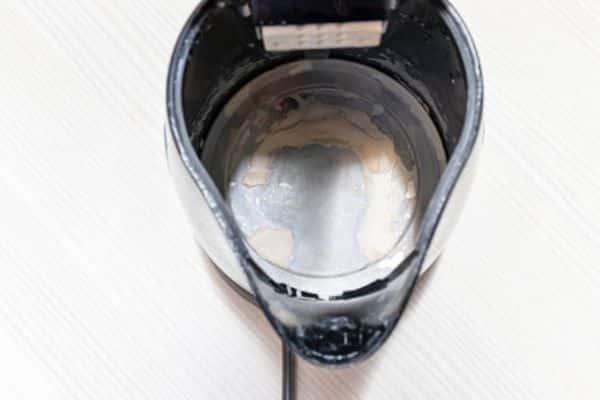
Milk is more than just liquid. It contains proteins and natural sugars. When they overheat, they caramelise and turn sticky. I’ve seen this happen after boiling milk and finding a brown layer glued inside my kettle.
Electric kettles heat very fast. That strong heat forces burnt milk into tiny pores in the metal. This makes it difficult to remove burnt residue from electric kettle surfaces using water alone.
Once milk is burned, it behaves like baked food on a pan. Plain water cannot dissolve it. It needs acid or gentle scrubbing to loosen the bond.
What You Should Avoid When Cleaning Burnt Milk
Avoid using anything that can scratch the inside of your kettle. Knives, forks, and steel wool leave tiny scratches. I tried this once and damaged my kettle. Those scratches now collect residue faster than before.
Stay away from harsh chemical cleaners. Bleach and oven sprays can leave toxic residue behind. Since you boil drinking water in this appliance, safety should always come first.
Do not use rough abrasive pads.Many kettles have a thin protective coating. Scrubbing too hard can strip it and make smells return sooner. Gentle cleaning methods work best. Soft tools and simple household ingredients protect your kettle and extend its lifespan.
Best Way to Clean Scorched Kettle Bottom (Vinegar Method)
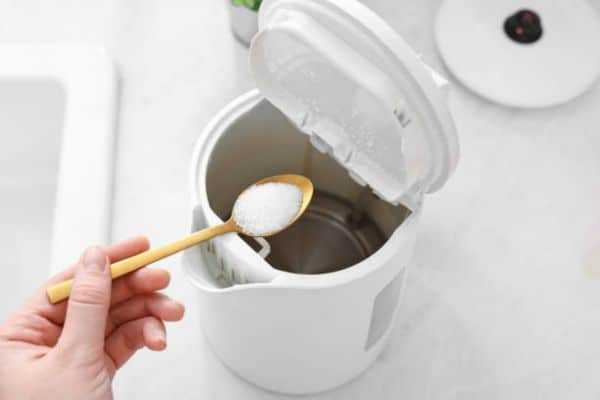
The best way to clean scorched kettle bottom buildup is by using plain white vinegar and water. This is the first method I reach for because it’s simple, safe, and surprisingly powerful. I’ve used it many times after burning milk, and it has saved kettles that I thought were permanently stained.
What You’ll Need
You only need white vinegar, clean water, and a soft sponge. Most people already have these at home, which makes this method convenient and affordable. There’s no need for special cleaners or strong chemicals.
Step-By-Step Process
Start by filling the kettle halfway with equal parts vinegar and water. Turn the kettle on and allow the mixture to boil fully. Once it switches off, unplug the kettle and let the hot liquid sit inside for about 15 to 30 minutes. After soaking, pour everything out and gently wipe the inside using a soft sponge. Finish by rinsing the kettle one or two times with clean water.
Why This Works
Vinegar is mildly acidic, which helps break down hardened milk proteins and sugars. These are the main reasons burnt milk sticks so stubbornly to metal. Vinegar also neutralizes odors, so it helps remove both stains and smell in one step.
How to Clean Burnt Milk from a Kettle Using Baking Soda
Baking soda is another effective option for cleaning burnt milk from the kettle surfaces. I usually turn to this method when vinegar alone doesn’t remove everything or when I want extra deodorising power.
Paste Method
Mix baking soda with a small amount of water until it forms a thick paste. Spread this paste over the burnt areas inside the kettle. Let it sit for 20 to 30 minutes so it can soften the stuck-on residue. This resting time makes wiping much easier.
Gentle Scrub Technique
After the paste has sat, use a soft sponge or cloth and gently scrub in small circular motions. Light pressure is enough. Avoid pressing too hard so you don’t damage the kettle’s surface. Rinse thoroughly with warm water when finished.
When to Repeat
If stains are still visible, repeat the process once more. Heavy buildup may need two rounds. In most cases, one or two treatments are enough to leave the kettle looking clean and fresh again.
How to Remove Burned Milk Smell Naturally
If your kettle looks clean but still smells bad, you’re not alone. Learning how to remove burned milk smell naturally is just as important as removing the stains. I’ve dealt with this many times, and simple, natural methods work better than scented cleaners.
One easy option is the lemon peel method. Place a few lemon peels in the kettle, fill it halfway with water, and boil. Let it sit for 15 minutes before pouring it out. Lemon’s natural oils help neutralise stubborn odours and leave a fresh scent behind.
Another effective method is a baking soda boil. Add one tablespoon of baking soda to a kettle of water and boil it. Let it cool, then rinse well. Baking soda absorbs odour and lifts lingering smell particles from the surface.
Finish with a fresh water flush. Boil plain water once or twice and discard it. This removes any leftover smell from cleaning ingredients and leaves your kettle neutral again.
Electric Kettle Deep Cleaning Methods (Monthly Routine)

Using an electric kettle and deep cleaning methods once a month keeps buildup and odours from returning. I treat this like basic maintenance, the same way I clean my coffee maker or microwave.
Start with descaling. Boil equal parts vinegar and water, let it sit for 20 minutes, then rinse thoroughly. This removes mineral deposits that trap odours and stains.
For odour prevention, avoid boiling anything except water in your kettle. Milk, soup, or flavoured drinks leave residue that causes smell problems later.
A quick maintenance checklist helps a lot. Rinse the kettle after each use, wipe the rim and lid weekly, and air-dry with the lid open. These small habits prevent most issues before they start.
My Personal Experience Removing Burnt Milk From My Kettle
The first time I burned milk in my kettle, I panicked. The smell was awful, and the bottom was dark brown. I honestly thought I had ruined it.
I tried scrubbing with water and soap. Nothing happened. I even used a rough sponge, which only scratched the surface and made me regret it.
What finally worked was boiling vinegar and water, followed by a baking soda paste. After two rounds, the stains faded, and the smell was almost gone. A final lemon boil removed the last odour.
Within about one hour total, my kettle looked clean and smelled normal again. The biggest lesson I learned is to stay gentle and patient. Simple household ingredients beat force every time.
How Long Does It Take to Fully Remove Burnt Milk Smell?
Light burnt milk smell can disappear the same day. If the burn is mild, one vinegar boil and one fresh water rinse usually fix it. Heavy burns may take one to two cleaning cycles. Older or thick buildup often needs both vinegar and baking soda treatments. Replacement may be needed in rare cases.
Common Mistakes That Keep Burnt Smell Coming Back

One common mistake is not rinsing the kettle well after cleaning. Leftover vinegar or baking soda can trap odour and mix with old residue. A quick extra rinse with clean water makes a big difference.
Another issue is skipping the drying step. When moisture sits inside a closed kettle, it creates a damp environment where smells linger. Letting the kettle air-dry with the lid open helps prevent this.
Overheated milk also brings the smell right back. Even small spills or splashes can burn onto the hot surface and restart the odour cycle.
Using scented cleaners can make things worse. Fragrance often mixes with burnt smell instead of removing it. Mild, unscented household ingredients work much better.
Prevention Tips So Milk Never Burns Again
Never boil milk directly in your electric kettle. Kettles are designed for water, not dairy. Use a saucepan on the stove for heating milk. It gives you more control and reduces the chance of burning.
Clean the kettle after every use. A quick rinse and wipe keeps residue from building up. Follow the water-only rule for kettles. If only water ever goes inside, burnt smells and stains become rare problems.
Final Thoughts
Burning milk in a kettle happens to almost everyone at some point. It doesn’t mean you ruined your appliance, and it definitely doesn’t mean you need to throw it away.
Simple household items like vinegar, baking soda, and lemon can solve the problem. You don’t need expensive cleaners or special tools to get real results.
Small daily habits make a big difference. Rinsing after use, letting the kettle dry, and using it only for water all help protect its life.
Be patient with the process and kind to yourself. A clean, fresh-smelling kettle is just a few easy steps away.
FAQs
Can burnt milk damage an electric kettle?
Yes, burnt milk can damage an electric kettle over time. If residue builds up or scratches the interior, it can trap odor, affect heating efficiency, and shorten the kettle’s lifespan.
What removes burnt milk smell fastest?
Boiling equal parts vinegar and water removes burnt milk smell the fastest. Follow with a fresh water boil to fully clear any remaining odor.
Is vinegar safe for electric kettles?
Yes, white vinegar is safe for electric kettles. It’s commonly used for descaling and odor removal when rinsed thoroughly afterward.
