

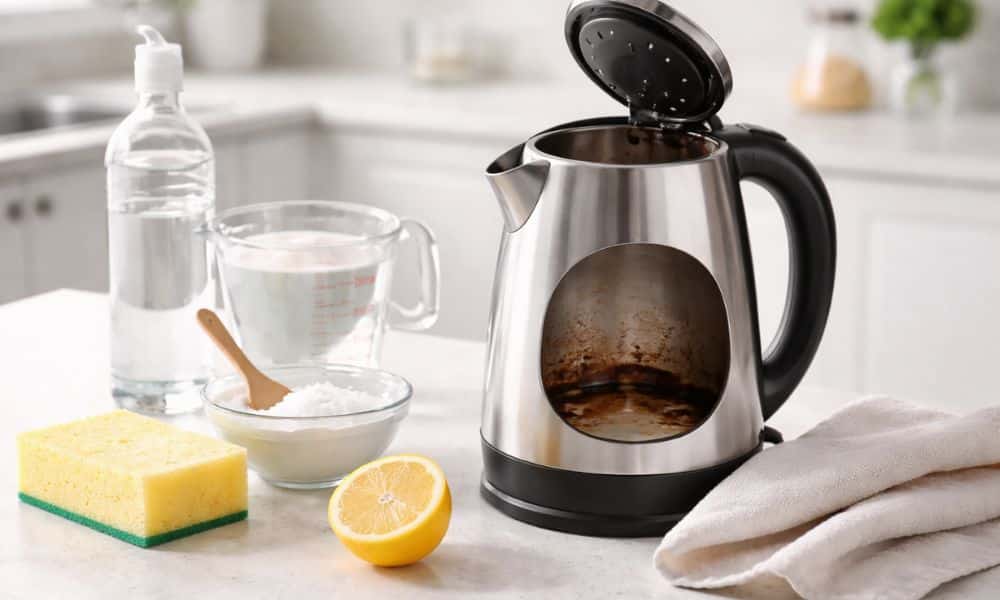
A sharp burnt smell filled my kitchen one morning. Thick milk stuck to the kettle bottom. I searched for How To Remove Burnt Milk Stains From Kettle without ruining it.
Later I found simple ways to clean burnt milk from electric kettle safely. This guide shows how to clean burnt kettle inside, remove burnt residue from kettle bottom, and remove burnt milk smell from kettle using easy kitchen items.
Why Burnt Milk Sticks To The Bottom Of Electric Kettles
Burnt milk forms a tough layer inside an electric kettle because milk contains sugar and protein. Heat turns these elements sticky, and they bond to the hot metal surface. The base of the kettle holds the most heat, so milk settles and burns there first. That burnt layer becomes hard and dark, which explains why cleaning it feels difficult. The smell also stays trapped inside the kettle. Burnt milk leaves oily residue in tiny metal pores. Later boils release that odour again. Good cleaning methods help break this residue and restore a clean kettle interior.
My Step-By-Step Method To Clean Burnt Milk From an Electric Kettle

A gentle method protects the kettle and removes the burnt layer. Strong scrubbing rarely works well and may damage the interior. A slow cleaning process loosens residue first. This approach keeps the kettle safe and restores a clean interior.
Step 1: Let The Kettle Cool Completely
Heat remains trapped inside the metal after boiling. A cool kettle creates a safe surface for cleaning. Waiting a short time prevents burns and protects the heating plate. This simple pause prepares the kettle for deeper cleaning.
Step 2: Fill With Warm Water And Dish Soap
Warm water softens dried milk residue. A small amount of dish soap helps break down oils from burnt milk. Gentle soaking loosens the crust along the bottom. The layer begins to lift away from the metal.
Step 3: Use Vinegar Or Baking Soda Solution
A mild acid, such as vinegar, helps break stubborn buildup. Baking soda also helps lift residue from the surface. Both options show how to clean a burnt kettle inside without harsh chemicals. These common kitchen items work well on stubborn milk stains.
Step 4: Heat The Solution Briefly
A short heating cycle activates the cleaning solution. Warm liquid moves through the burnt layer and loosens it. Heat helps separate residue from the metal base. This step makes the next cleaning stage easier.
Step 5: Gently Scrub The Kettle Bottom
A soft sponge works best for this stage. Light pressure lifts the softened layer from the surface. This process helps remove burnt residue from kettle’s bottom areas without scratching the metal. Slow movements protect the kettle interior.
Step 6: Rinse Thoroughly To Remove Smell
Fresh water clears cleaning residue from the kettle. A careful rinse removes any remaining odour. Clean water restores a neutral smell inside the kettle. The interior now looks and smells fresh again.
Best Natural Cleaning Methods That Actually Work
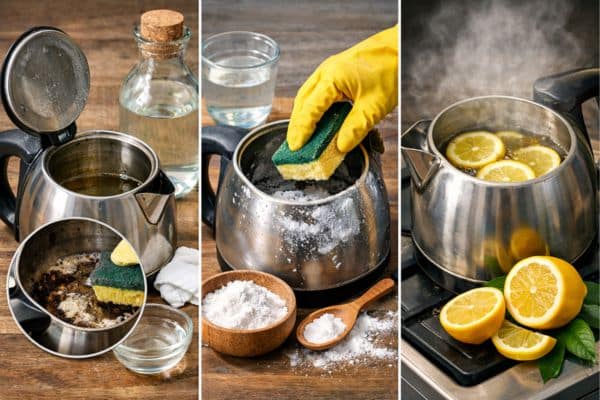
Simple kitchen ingredients often solve tough cleaning problems. Many households already keep these items nearby. Natural methods protect kettle surfaces and avoid chemical residue. These approaches also help remove lingering milk odor. Regular care helps prevent stains and odors, so learning how to clean an electric kettle properly keeps your kettle fresh and working well.
Vinegar Cleaning Method
White vinegar breaks mineral buildup and milk residue. Warm vinegar solution loosens the burnt layer from the kettle base. Gentle soaking allows the residue to lift away from the metal. This method works well for stubborn milk stains.
Baking Soda Deep Cleaning Method
Baking soda acts as a mild abrasive. Its fine texture lifts stubborn buildup without harming stainless steel. A warm baking soda mixture softens burnt residue and clears the kettle interior. This method works well for thick milk deposits.
Lemon Method To Remove Burnt Milk Smell From Kettle
Lemon carries natural acids that neutralize odors. A short boil with lemon slices freshens the kettle interior. Citrus oils also leave a clean scent behind. This method helps remove burnt milk smell from kettle surfaces naturally.
What NOT To Do When Cleaning Burnt Milk From A Kettle
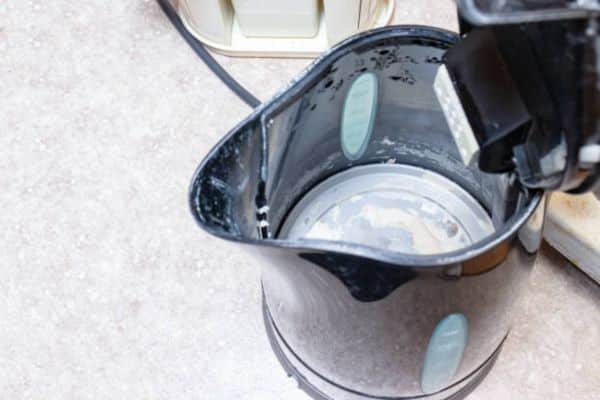
Some cleaning habits cause more damage than good. Rough tools scratch metal and shorten kettle’s life. Safe cleaning keeps the kettle surface smooth and intact. Gentle methods protect both the appliance and water quality.
Avoid Metal Scrubbers
Steel pads scratch stainless steel interiors. Scratches create small grooves that trap residue later. A soft sponge keeps the surface smooth and safe. Gentle tools always work better for kettle cleaning.
Do Not Submerge The Electric Base
Electric kettles contain wiring and heating parts in the base. Water contact with these components creates risk. Cleaning should focus only on the kettle interior. The base must remain dry at all times.
Avoid Strong Chemical Cleaners
Harsh cleaners leave chemical traces behind. These residues may mix with drinking water later. Mild natural cleaners offer safer results. Household ingredients usually remove burnt milk effectively.
How To Remove Burnt Milk Smell from a Kettle Completely
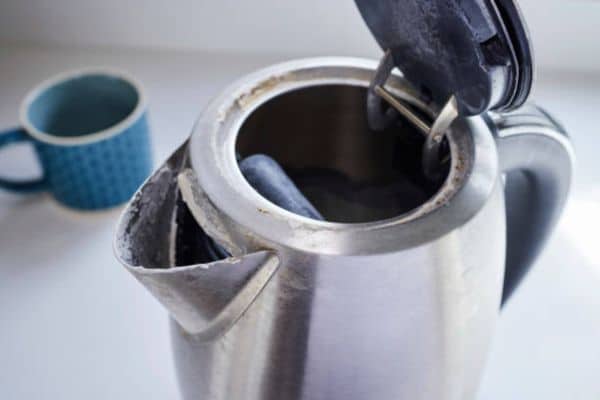
Burnt milk odour often lingers inside the kettle. Simple natural methods remove the scent and restore freshness. Vinegar, lemon, and baking soda work well for this purpose. These methods help remove burnt milk smell from kettle interiors safely.
• Vinegar boil loosens odour particles from the metal surface.
• Lemon rinse refreshes the kettle with a clean citrus scent.
• Baking soda soak neutralises remaining odour molecules.
My Personal Prevention Tips (After Ruining My First Kettle)
Early mistakes taught a valuable lesson about kettle use. Electric kettles heat water quickly, not milk. Milk reacts differently under high heat. Small habits help prevent burnt buildup in the future.
• Never boil milk directly in an electric kettle.
• Use a stovetop pot or milk boiler instead.
• Clean the kettle soon after any milk spill.
• Rinse the kettle after heating milk-based drinks.
Signs Your Electric Kettle May Be Permanently Damaged
Some burnt cases leave more serious damage. A kettle may struggle to recover after repeated overheating. Observing these signs helps identify serious wear. Replacement may become the safer choice.
• Burnt smell never fades after repeated cleaning.
• Heating plate shows dark or uneven discolouration.
• The kettle takes longer to heat water than before.
FAQs
How do you clean burnt milk from an electric kettle?
A warm soak with vinegar or baking soda helps loosen burnt milk residue. Gentle scrubbing removes the softened layer. This method restores the kettle interior without damaging the surface.
Is it safe to boil milk in an electric kettle?
Electric kettles are designed for heating water. Milk contains sugars and proteins that burn easily on hot metal surfaces. Heating milk in a kettle often leads to stubborn residue.
What is the fastest way to clean a burnt kettle inside?
A vinegar or baking soda soak softens the burnt layer quickly. Gentle scrubbing clears the remaining residue. This approach restores the kettle interior with minimal effort.
Final Thoughts
Burning milk in a kettle feels frustrating. Many people face this situation during everyday cooking. Gentle cleaning methods often restore the kettle with simple ingredients. A little care helps keep the kettle fresh, clean, and ready for the next cup of tea.
