

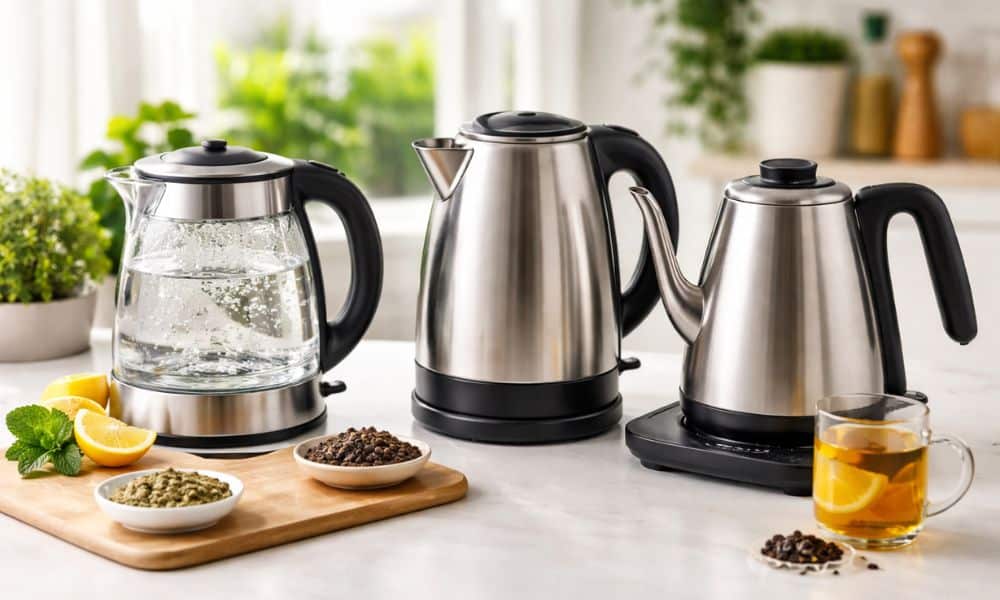
Steam hit my face one morning, and I caught a sharp plastic smell in my cup. That moment pushed me to ask, what is the best electric kettle without plastic? I drink tea every day, so clean water matters to me.
Started testing each electric water kettle I could find. Checked for hidden plastic inside, under lids, and around spouts. I compared every non-plastic electric kettle for smell, speed, and build quality.
In this guide, I will share what truly makes the best electric kettle safe and long-lasting. You will also see which electric kettles with no plastic designs work best for daily tea. Let’s find the right one for your kitchen.
Quick Answer – What Is The Best Electric Kettle Without Plastic?
The best electric kettle without plastic uses 100% stainless steel or borosilicate glass, with no plastic touching water. A safe model keeps hot water in contact only with metal or glass. That design protects taste and long-term durability.
Food-grade 304 or 316 stainless steel offers strong corrosion resistance and heat stability. Both grades handle daily boiling with ease. Pure materials reduce odor and surface wear over time.
Hidden plastic parts often sit under lids or inside spouts. Many buyers miss that detail. A true electric water kettle with an all-metal interior avoids that risk.
All-metal interior designs remain the safest choice in most homes. Clean structure equals clean water. That simple rule guides every smart purchase.
Why Avoid Plastic In An Electric Water Kettle?
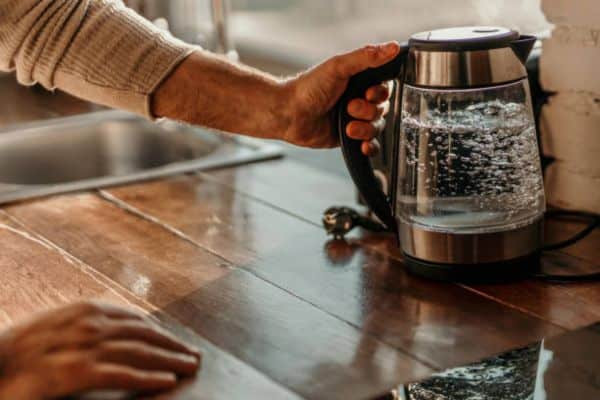
Heat changes materials over time. Plastic may break down under repeated high temperatures. Research from the FDA shows BPA exposure limits are regulated, yet heat stress still affects lower-grade plastics. Less plastic contact means fewer concerns.
Boiling water can carry faint odours from new plastic parts. That scent can alter flavour. Stainless steel interiors keep taste neutral and crisp.
Plastic also ages faster than steel or glass. Warping and surface cracks appear after long use. Strong materials last longer and hold their shape under daily heat.
01. Heat + Plastic = Potential Chemical Leaching
High heat stresses polymer chains. Some plastics release trace compounds under stress. FDA guidelines limit BPA exposure, yet minimising contact remains wise.
Microplastic studies show tiny fragments can form during wear. Heat cycles increase the wear. Less friction and less plastic reduce long-term buildup.
A stainless interior removes that variable. Metal stays stable under boiling heat. Stability builds trust in daily use.
02. Taste Difference
Early testing revealed a light plastic scent in certain models. That smell faded, yet the flavour felt dull. Switching to a stainless interior restored clean taste.
Tea flavor improved at once. Green tea tasted bright. Black tea held its depth.
Pure material preserves the character of water. Taste clarity proves material matters.
03. Long-Term Durability
Plastic expands and contracts with heat. Over time, shape may shift. Small gaps form around seams.
Stainless steel resists warping. Glass maintains form under normal use. Durable builds protect both safety and value.
A strong non plastic electric kettle lasts years with proper care. Longevity reduces waste and cost.
What Makes A Non Plastic Electric Kettle Truly “Plastic Free”?
A true non plastic electric kettle keeps hot water away from synthetic parts. Water should touch only stainless steel or glass. Interior purity defines safety.
Checklist for safe design:
✔ No plastic touching water
✔ Stainless steel lid underside
✔ Stainless steel spout filter
✔ Food-grade silicone gasket only
✔ BPA-free external shell
Plastic exterior parts remain acceptable. They do not contact water. Plastic interior parts remain the main concern.
Types Of Electric Kettle No Plastic Options
01. 100% Stainless Steel Interior
Full stainless interiors provide maximum durability. They resist dents and staining. This style often ranks as the best electric kettle choice for long life.
Metal interiors also hide heating elements. That smooth base simplifies cleaning. Clean design supports hygiene.
02. Glass Interior With Stainless Base
Borosilicate glass handles rapid heat change. It allows full visibility during boil. Many tea lovers prefer this design.
Glass maintains taste neutrality. Stainless bases add strength where heat concentrates. Balance of beauty and safety defines this type.
03. Double-Wall Metal Kettles
Double-wall builds trap heat inside. Exterior remains cooler to touch. That design improves energy efficiency.
Heat retention reduces repeat boiling. Less energy waste supports long-term savings. Strong insulation enhances safety.
My Personal Testing Experience
One litre of water reached a boil in about four minutes at 1500 watts. Lower-watt models needed six to seven minutes. Power rating directly affects speed.
Noise levels varied. Thin steel echoed slightly. Double-wall models stayed quieter.
First boil scent disappeared after two cycles in the quality models. Cheaper builds held faint odor longer. Stainless interiors showed less mineral staining after six months.
Descaling once per month kept surfaces bright. Hard water left white lines on heating plates. Vinegar cleaning restored shine and boil speed.
Key Features To Look For In The Best Electric Kettle
• 304 or 316 stainless steel interior
• 1200–1500 watts for quick boiling
• Auto shut-off and boil dry protection
• Wide lid opening
• Hidden heating element
These features improve safety and lifespan. Strong structure equals reliable performance.
Best Electric Kettle For Tea Lovers
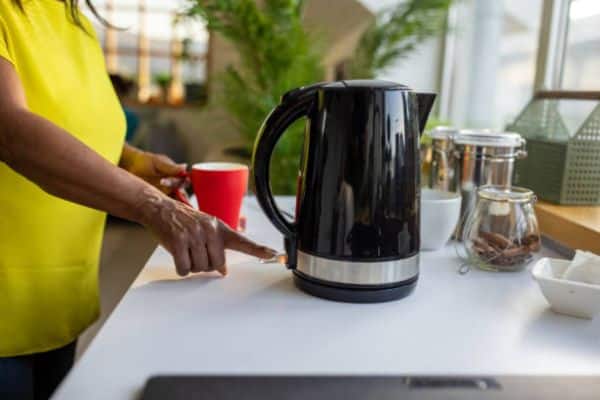
Variable temperature control protects delicate leaves. Green tea thrives around 175°F. Black tea performs well near full boil.
Gooseneck spouts support steady pour control. Standard spouts work well for general use. Precision pouring enhances brewing quality.
Keep-warm modes maintain set heat for up to thirty minutes. Stable heat improves repeat servings. Consistency defines serious tea preparation.
Common Mistakes When Buying A “Plastic Free” Kettle
Many assume stainless exterior means stainless interior. Interior inspection proves otherwise. Always check inside.
Lid construction often hides plastic panels. Spout filters may contain synthetic mesh. Details reveal truth.
Price alone does not define safety. Build quality matters more than branding. Research prevents regret.
How To Maintain A Non Plastic Electric Kettle
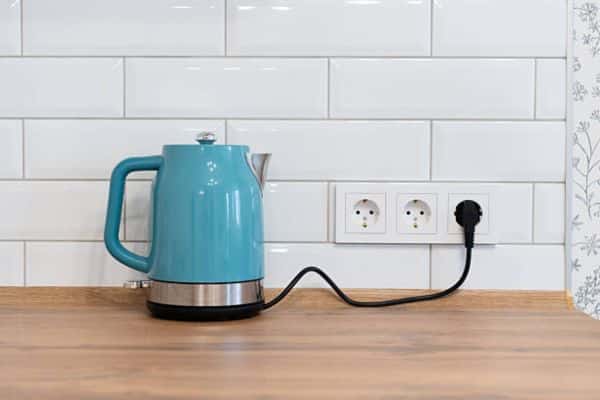
Descale monthly using white vinegar and water. Rinse thoroughly. Clean surfaces maintain heating speed.
Avoid abrasive pads. Scratches trap residue. Gentle care preserves finish.
Allow lid to dry fully. Check silicone seals for wear. Proper care extends life and performance.
Mineral buildup slows heating by blocking heat transfer. Clean surfaces restore efficiency. Regular maintenance protects both taste and speed.
Stainless Steel vs Glass – Which Is Better?
| Feature | Stainless Steel | Glass |
| Durability | High | Moderate |
| Taste neutrality | Excellent | Excellent |
| Visibility | No | Yes |
| Risk of breakage | Low | Higher |
| Weight | Moderate | Slightly heavier |
Stainless steel offers greater toughness. Glass offers visual appeal. Both remain safe choices with proper design.
Conclusion
Full stainless interior models offer the strongest mix of safety and durability. Glass models suit those who enjoy visual clarity during boil.
Material purity shapes water quality. Strong build ensures long life. Careful selection supports both health and daily comfort.
Years of testing confirm one truth. Simple materials, solid design, and clean interiors create the safest and most reliable kettle choice.
FAQs
What is the safest material for an electric kettle?
Stainless steel and borosilicate glass are the safest choices. They stay stable under high heat. They do not change the taste of water. Many experts prefer food-grade stainless steel for daily use.
Are plastic electric kettles safe to use?
Most plastic kettles are BPA free and meet safety rules. Heat can still wear plastic over time. This may affect taste and build quality. Many people choose less plastic for peace of mind.
How can a person tell if a kettle has plastic inside?
Open the lid and look under it. Check the spout and the filter area. Some kettles hide plastic parts that touch water. A true non plastic design keeps water in contact only with steel or glass.
Does a non plastic kettle change the taste of tea?
Yes, it often improves taste. Stainless steel and glass keep water clean and neutral. There is no plastic smell during boiling. Many tea drinkers notice a fresher and clearer flavor.
