

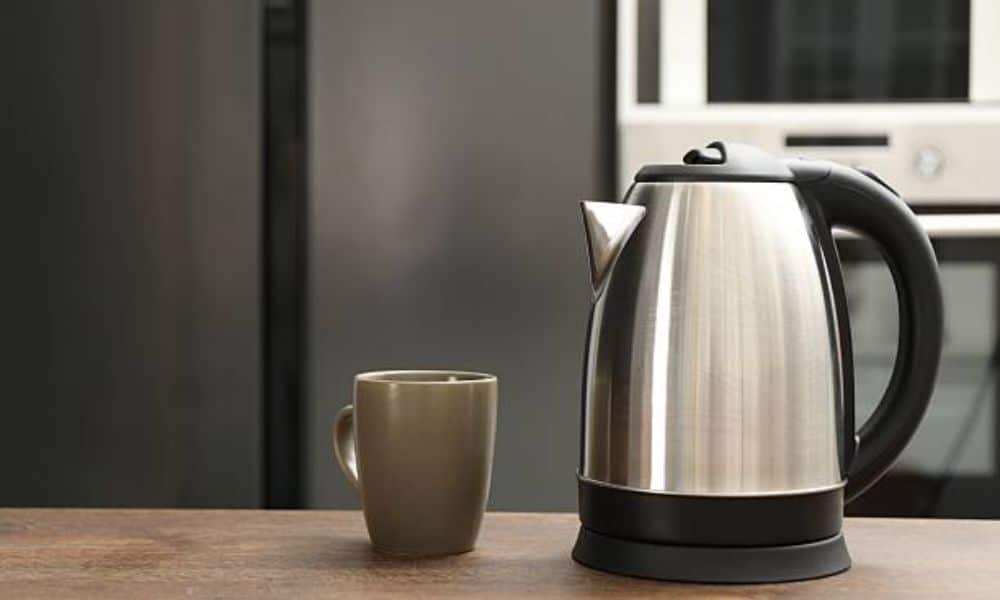
Steam rose from my old kettle one morning. The water carried a faint plastic smell. That moment pushed me to learn what to look for in electric kettle stainless steel benefits and why kettle materials matter.
I soon noticed clear stainless steel electric kettle advantages. Water tasted cleaner, and the kettle felt stronger. Research also showed the real benefits of stainless steel kettle vs plastic, especially for safer boiling.
This guide shares what I learned about safe materials for electric kettle interior and why choose stainless steel electric kettle for everyday use.
Why I Started Looking for a Stainless Steel Electric Kettle
A cheap plastic kettle once sat on my kitchen counter. Water boiled fast, yet tea carried a faint plastic taste. That small moment made daily drinks feel less enjoyable.
After months of use, small scratches appeared on the plastic body. Heat and constant boiling slowly weakened the surface. Research soon led me to safer options. Safe materials for the electric kettle interior, such as stainless steel, resist heat, corrosion, and flavour transfer, helping keep water clean and neutral.
What To Look For In Electric Kettle Stainless Steel Benefits
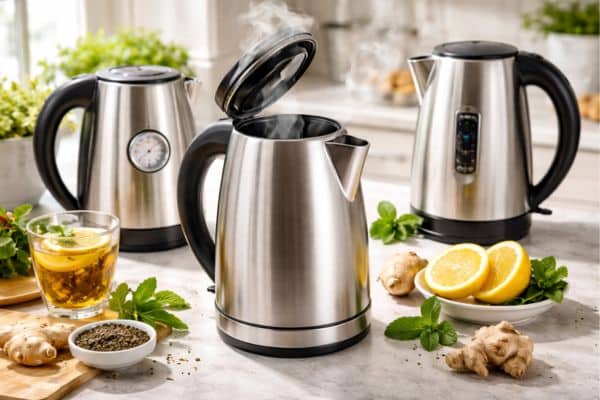
Choosing the right kettle becomes easier with a simple checklist. Design, safety features, and build quality all play a role. Small details often shape long-term performance in the kitchen.
A well-built kettle offers more than fast boiling. Materials protect water purity while safety features prevent accidents. A careful look at key features reveals which models deliver real value.
Food Grade Stainless Steel Interior
Food-grade stainless steel forms one of the most trusted materials in kitchen tools. Many high-quality kettles use 304 stainless steel for the interior surface. This grade resists rust and handles heat very well.
The smooth steel surface also prevents flavour transfer. Water keeps its natural taste during boiling. That small detail improves tea, coffee, and cooking tasks.
Double Wall or Cool Touch Design
A double-wall kettle adds an extra layer of insulation. The inner steel wall holds the heat while the outer shell stays cooler. This design reduces the chance of accidental burns.
The insulation also keeps water warm for longer periods. Less heat escapes into the air. Energy efficiency improves in small but noticeable ways.
Fast Heating Power
Heating power affects how quickly water reaches a boil. Most strong electric kettles operate between 1200 and 1500 watts. Higher wattage usually means faster heating.
Quick heating helps during busy mornings. A cup of tea or coffee becomes ready in minutes. That convenience turns the kettle into a daily kitchen helper.
Auto Shut Off and Boil Dry Protection
Modern kettles include smart safety systems. Auto shut-off stops the heating element once water reaches the boiling point. This feature prevents overheating.
Boil-dry protection adds another safety layer. The kettle stops heating during an empty cycle. These protections support safer everyday use.
Lid and Spout Design
Lid design affects both filling and cleaning. A wide opening makes it easier to rinse the interior. Mineral buildup becomes easier to manage during routine cleaning.
Spout shape also plays a role during pouring. A smooth spout directs water without splashing. Simple design choices improve the entire user experience. Many buyers also research the best electric tea kettles without plastic before choosing a safer kettle for daily use.
Stainless Steel Electric Kettle Advantages
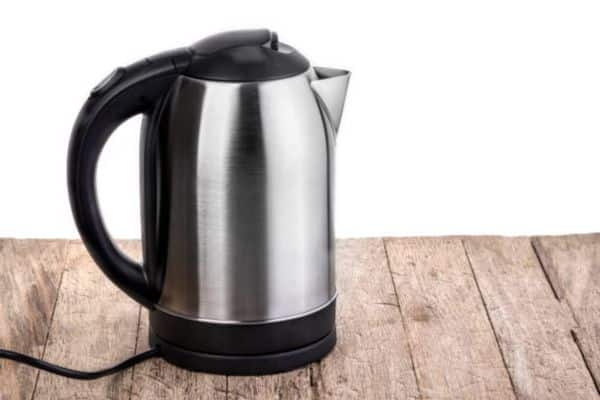
The advantages of a stainless steel electric kettle appear quickly during daily use. Water keeps a clean and neutral taste during boiling. No plastic flavour interferes with tea or coffee.
Durability stands out as another major benefit. Stainless steel resists cracks and warping from heat. The strong structure handles years of regular boiling.
Heat resistance also supports reliable performance. Steel maintains shape and strength even at high temperatures. This stability protects both safety and longevity.
Cleaning becomes easier as well. The smooth interior surface wipes clean with simple rinsing. Long lifespan forms the final advantage, making stainless steel kettles a dependable kitchen tool.
Benefits of Stainless Steel Kettle vs Plastic
The benefits of stainless steel kettle vs plastic become clear through comparison. Material choice shapes safety, taste, and durability.
| Feature | Stainless Steel | Plastic |
| Safety | Very safe | May release odor |
| Durability | High | Medium |
| Taste | Neutral | Sometimes plastic taste |
| Lifespan | Long | Shorter |
This comparison highlights the strength of stainless steel construction. The material holds up well under daily heat and repeated use. Many kitchens prefer it for reliability and long-term value.
Why Choose a Stainless Steel Electric Kettle
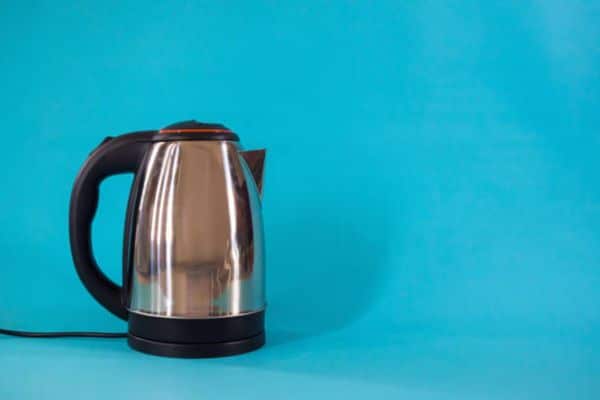
Choosing a stainless steel kettle brings several everyday advantages. Strong materials support consistent boiling and a clean water taste. The design fits well in modern kitchens focused on durability and safety.
Cleaner Water Taste
Water quality improves with stainless steel interiors. The metal surface does not absorb or release flavour. Tea and coffee taste pure and fresh.
Better Long-Term Safety
Stainless steel handles constant heat without breaking down. The structure remains stable during years of boiling cycles. That stability supports safer kitchen appliances.
Stronger Build Quality
Steel bodies resist dents and cracks better than plastic shells. The solid construction also gives the kettle a sturdy feel. Many users notice the difference immediately.
More Reliable Heating
Reliable heating comes from durable internal components. Stainless steel interiors distribute heat evenly. Water reaches the boiling point smoothly and consistently.
Safe Materials for the Electric Kettle Interior
Understanding kettle materials helps buyers make smarter choices. Several interior materials appear in modern electric kettles.
304 Stainless Steel
304 stainless steel remains one of the best options for food contact. The material resists corrosion and heat damage. Many high-quality kettles rely on this steel grade.
Glass Kettles
Glass kettles offer a clear view of the boiling process. The material remains safe for water contact and does not affect taste. Fragility remains the main drawback.
Plastic Interior
Plastic interiors appear in lower-cost kettles. Some designs use BPA-free plastic to improve safety. Durability and heat resistance still remain lower than steel or glass.
Common Mistakes People Make When Buying Electric Kettles
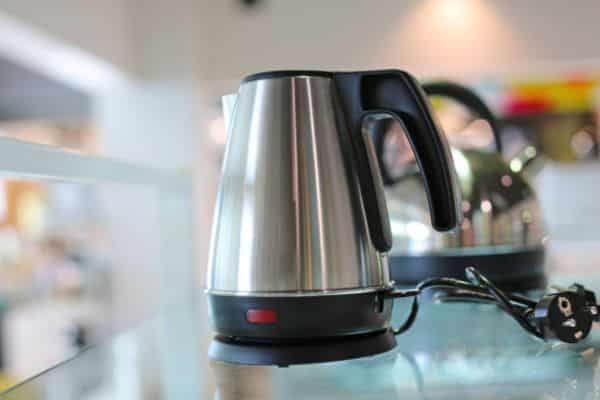
Buying a kettle often seems simple. Yet small mistakes can affect long-term performance and safety.
One common mistake involves kettles with plastic interior contact. Boiling water touches plastic surfaces directly in some designs. That detail may affect taste over time.
Another mistake involves ignoring boil-dry protection. Safety features protect the heating element during empty cycles. Reliable kettles always include this protection.
Low-wattage models also create frustration. Weak heating power leads to slow boiling. Daily use becomes less convenient.
Very cheap kettles sometimes sacrifice build quality. Thin materials and weak components reduce lifespan. Investing in stronger construction often saves money over time.
How I Personally Choose a Stainless Steel Electric Kettle
Years of using kitchen appliances created a simple checklist. A reliable kettle starts with a 304 stainless steel interior. This material supports both safety and durability.
Heating power also matters during daily use. Around 1500 watts usually provides fast and efficient boiling. Morning routines become smoother with quicker heating.
Safety features form another essential part of the selection process. Auto shutoff and boil-dry protection help prevent overheating. These systems support long-term reliability.
A wide lid completes the checklist. Easy cleaning helps prevent mineral buildup inside the kettle. Simple maintenance keeps the kettle performing well for years.
FAQs
Is stainless steel electric kettle safe for health?
Food-grade stainless steel handles boiling water safely. The material resists corrosion and does not affect water flavour.
Does stainless steel kettle change water taste?
Stainless steel keeps water neutral in taste. Tea and coffee retain their natural flavour.
Which stainless steel is best for kettles?
Many quality kettles use 304 stainless steel. This grade offers strong corrosion resistance and safe food contact.
Are stainless steel kettles better than plastic?
Stainless steel kettles often provide stronger durability and a cleaner taste. The material also handles heat more reliably.
How long does a stainless steel electric kettle last?
A well-built kettle can last many years with normal use. Regular cleaning and careful handling extend lifespan.
Final Thoughts
A stainless steel electric kettle offers a reliable blend of safety and durability. The material protects water taste and handles heat with strength. These qualities make it a trusted choice in many kitchens.
Durability adds long-term value. Strong construction resists daily wear from constant boiling. A well-designed kettle becomes a dependable part of everyday routines.
Understanding materials and features helps buyers make better choices. Stainless steel interiors, solid safety features, and thoughtful design all support better performance.
