

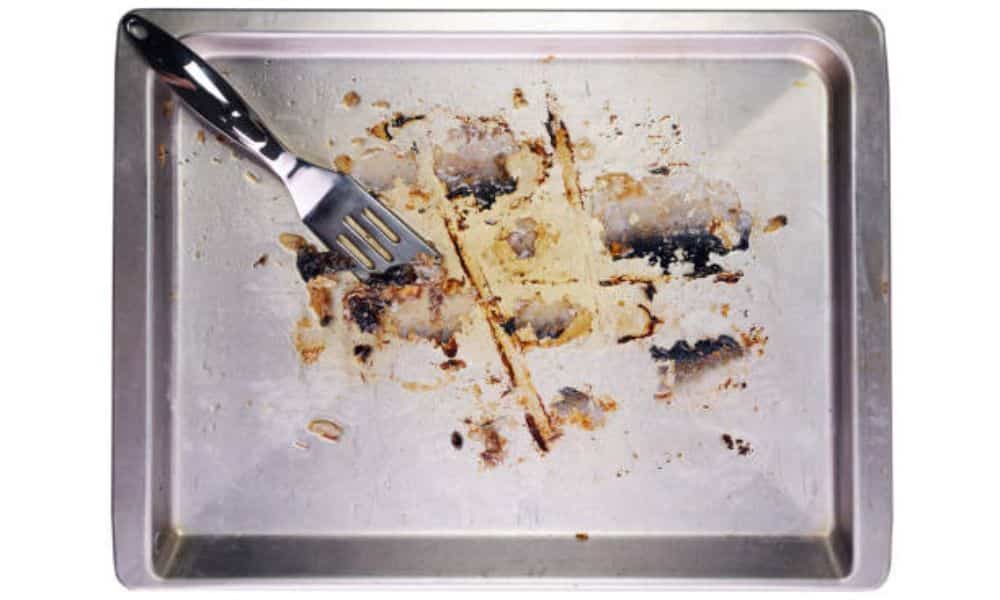
Food sticking to a baking tray can ruin an otherwise perfect meal. Burnt edges, torn cookies, and stuck roasted vegetables make cleanup harder and waste time in the kitchen. Many people deal with this problem daily, especially with older trays or high-heat cooking. Learning how to stop food sticking to baking tray surfaces can make baking easier, cleaner, and more enjoyable.
The good news is that most sticking problems come from a few common mistakes. The type of tray, cooking temperature, oil usage, and even food moisture all affect how food releases from the surface. Small changes in baking habits often solve the issue quickly.
This guide explains simple and practical ways to stop food from sticking to baking trays. It also covers the best tray materials, common baking mistakes, and easy cleaning tips that help trays last longer.
Why Food Sticks To Baking Trays
Food usually sticks because the tray surface becomes too hot or dry during cooking. Oils burn away over time, and sugars from sauces or baked goods harden against the metal. Thin trays also create hot spots that burn food faster.
Old scratched trays often lose their protective coating. Once that layer wears down, food grabs onto the metal surface much more easily. High oven temperatures can make the problem worse, especially during roasting or baking cookies.
Moisture also plays a big role. Wet vegetables or frozen foods release steam first, then stick after the moisture evaporates.
Use Parchment Paper For Easy Release
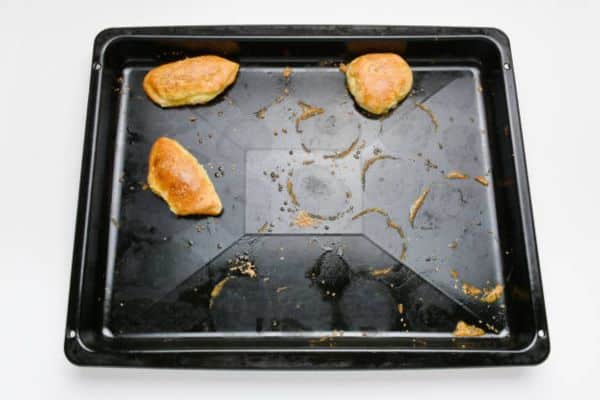
Parchment paper is one of the easiest ways to stop sticking problems. It creates a barrier between the tray and the food, helping cookies, vegetables, and pastries lift off smoothly after cooking.
Many home bakers prefer parchment paper because cleanup becomes much easier. Burnt cheese, sugary sauces, and grease stay on the paper instead of hardening on the tray.
Parchment paper also helps food cook more evenly. Cookies spread better, and roasted vegetables develop crisp edges without sticking to the metal.
Avoid wax paper inside the oven because the coating can melt at high heat.
Grease The Baking Tray Properly
A light layer of oil or butter helps prevent sticking during baking. Many people either use too little grease or apply too much, which can cause uneven cooking.
For most recipes, a thin coating works best. Spread oil evenly across the tray using a paper towel or pastry brush. Cooking sprays also work well for quick preparation.
Different foods may need different oils:
- Olive oil works well for vegetables
- Butter helps baked goods release easily
- Avocado oil handles high heat better
- Coconut oil works for sweet recipes
Greasing becomes especially important for stainless steel trays because they do not have natural non-stick surfaces.
Choose The Right Baking Tray Material

The tray material affects how food cooks and releases after baking. Some materials naturally resist sticking better than others.
Non-Stick Baking Trays
Non-stick trays are popular because food releases easily. Cookies, roasted vegetables, and frozen foods usually slide off without trouble.
These trays work best at medium oven temperatures. Very high heat may damage the coating over time.
Aluminum Baking Trays
Aluminum trays heat quickly and bake evenly. Many professional kitchens use aluminum because it creates consistent results.
Bare aluminum trays usually need parchment paper or oil to prevent sticking.
Stainless Steel Baking Trays
Stainless steel trays last a long time but often need more grease. Food sticks more easily without proper preparation.
They work best for roasting meats and vegetables with enough oil.
Avoid Overheating The Tray
High heat is one of the biggest reasons food sticks to baking trays. Oils burn away quickly at very high temperatures, leaving food pressed directly against the metal.
Most baking recipes work best between 350°F and 425°F. Extremely high heat should only be used for specific roasting methods.
Thin dark trays become hotter than light-colored trays. Dark trays often brown food faster but can also burn delicate foods like cookies.
Lowering the oven temperature slightly sometimes solves sticking problems immediately.
Let Food Cool Before Removing It
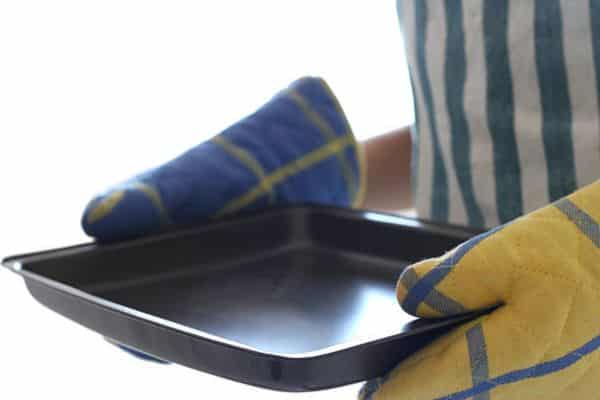
Many foods naturally release from the tray after cooling slightly. Trying to lift food too early often tears the surface and leaves stuck pieces behind.
Cookies usually need a few minutes to firm up before removal. Roasted vegetables also separate more easily once steam settles.
Using a thin silicone spatula helps loosen edges gently without scratching the tray surface.
Patience during cooling often prevents half the sticking problems people experience during baking.
Dry Food Before Baking
Excess moisture creates steam, which increases sticking during cooking. Wet vegetables, thawed frozen foods, and marinated meats often stick more because of surface water.
Pat food dry before placing it on the tray. Removing extra moisture helps oils coat the food better and improves browning.
Vegetables like zucchini, mushrooms, and eggplant release a lot of water during cooking. Drying them first creates crispier results and less sticking.
This simple step also improves roasting texture and flavor.
Do Not Crowd The Baking Tray
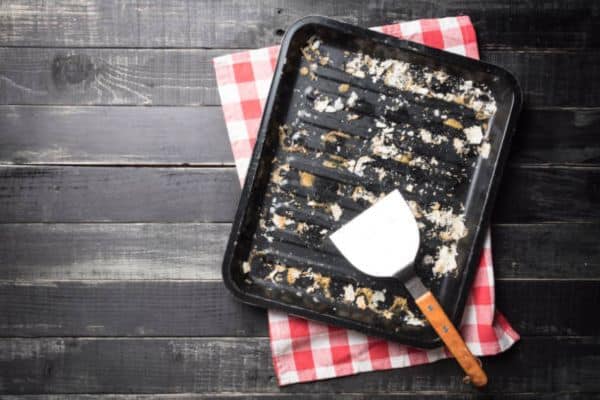
Overcrowding traps steam between foods. Instead of roasting properly, food becomes soft and sticky.
Leaving space around vegetables, fries, or cookies allows hot air to circulate evenly. This helps surfaces crisp up and release more easily from the tray.
Crowded trays also cook unevenly. Some sections stay wet while others burn.
Using two trays instead of one often produces much better results.
Season Metal Baking Trays
Some metal trays improve after seasoning. Similar to cast iron cookware, repeated oil coatings create a smoother cooking surface over time.
To season a tray:
- Wash and dry the tray completely
- Apply a thin layer of oil
- Heat in the oven for about one hour
- Let it cool naturally
This process creates a protective layer that reduces sticking.
Seasoning works especially well on aluminum and carbon steel trays.
Replace Damaged Baking Trays
Old trays with peeling coatings or deep scratches often cause constant sticking problems. Damaged surfaces trap food particles and make cleaning harder.
Signs a tray may need replacement include:
- Peeling non-stick coating
- Rust spots
- Warped metal
- Deep scratches
- Permanent burnt stains
New baking trays usually perform much better and improve cooking consistency.
Heavy-duty trays also resist warping better during high heat baking.
Best Tools To Prevent Sticking
Several kitchen tools help reduce sticking and make baking easier.
Silicone Baking Mats
Reusable silicone mats replace parchment paper and provide a naturally non-stick surface. They work especially well for cookies and pastries.
Cooling Racks
Cooling racks allow air circulation after baking. This prevents condensation from making food stick later.
Silicone Spatulas
Flexible silicone spatulas loosen food safely without scratching trays.
Baking Paper Sheets
Pre-cut parchment sheets save time and fit standard baking trays neatly.
Common Mistakes That Cause Sticking
Many sticking issues come from simple baking mistakes.
Using Too Little Oil
Dry trays create direct contact between food and metal.
Cooking Frozen Food Directly
Ice crystals melt and create moisture that increases sticking.
Scrubbing Non-Stick Coatings
Metal scrubbers damage protective surfaces quickly.
Using High Heat Constantly
Extreme temperatures burn coatings and oils faster.
Skipping Tray Cleaning
Burnt residue from old meals creates rough sticky areas.
Avoiding these mistakes helps trays stay in better condition longer.
How To Clean Baking Trays Properly
Clean trays last longer and resist sticking better. Burnt grease buildup creates rough surfaces that trap food during future baking.
Warm water, baking soda, and mild dish soap usually remove most residue safely.
Avoid steel wool on non-stick surfaces because scratches make sticking worse over time.
For stubborn grease:
- Sprinkle baking soda on the tray
- Add warm water and vinegar
- Let it soak for 30 minutes
- Wipe gently with a sponge
Regular cleaning keeps baking trays smooth and easier to use.
Best Foods To Bake On Non-Stick Trays
Some foods benefit more from non-stick surfaces than others.
Great options include:
- Cookies
- Roasted potatoes
- Chicken wings
- Frozen fries
- Brownies
- Sticky glazed vegetables
- Pastries
Sugary foods especially release better from non-stick surfaces because caramelized sugars harden quickly during baking.
Using parchment paper with these foods creates even easier cleanup.
Final Thoughts
Learning how to stop food sticking to baking tray surfaces comes down to proper preparation, correct temperatures, and using the right tools. Small changes like drying food, adding parchment paper, or using enough oil can improve baking results immediately.
Well-maintained trays also perform better over time. Regular cleaning, careful handling, and avoiding damaged surfaces help reduce sticking problems during cooking.
Whether baking cookies, roasting vegetables, or preparing sheet pan dinners, the right tray setup makes food easier to remove and cleanup much faster.
