

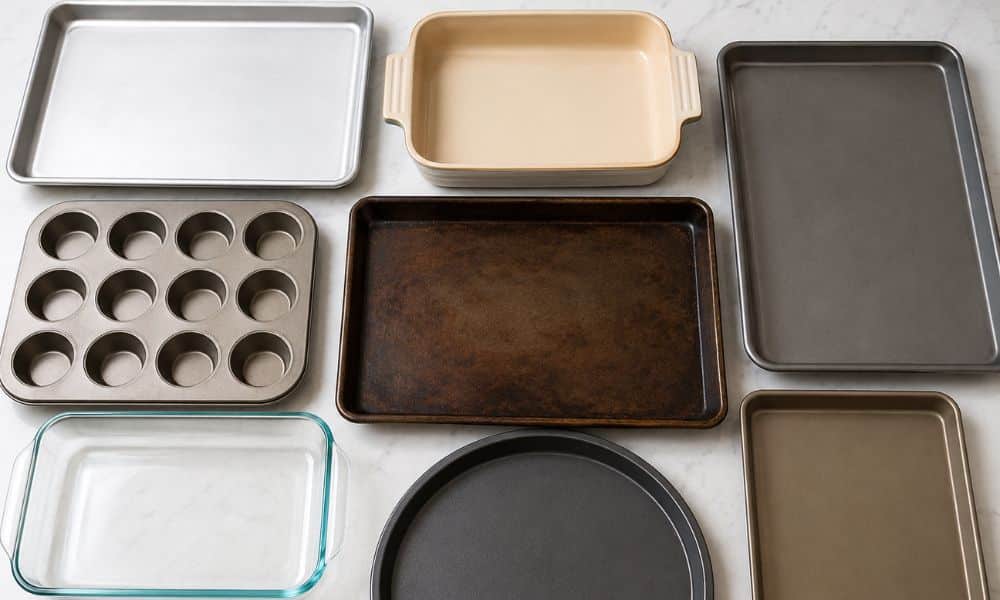
Different types of baking trays can make a huge difference in baking and roasting results. The right tray helps cookies bake evenly, vegetables turn crispy, and cakes cook without burning around the edges. From a half baking sheet to a commercial baking sheet, every tray type offers unique benefits for different recipes.
Many home cooks struggle with uneven baking because they use the wrong pan material or size. Understanding good baking sheets and the best rated cookie sheets helps create better meals, easier cleanup, and more consistent results in the kitchen.
Why Baking Trays Matter
Many people focus on ingredients and oven temperature but ignore the baking tray. The tray controls heat flow, browning, and moisture. Thin trays often warp in high heat. Cheap pans can leave cookies burnt on the bottom while the top stays pale.
A good tray creates even cooking. It also makes cleanup easier and helps food release better. After switching from a low-quality pan to a heavy-duty sheet tray, baking results often improve immediately. Cookies bake evenly, roasted vegetables crisp faster, and cleanup becomes simpler.
Aluminum Baking Trays
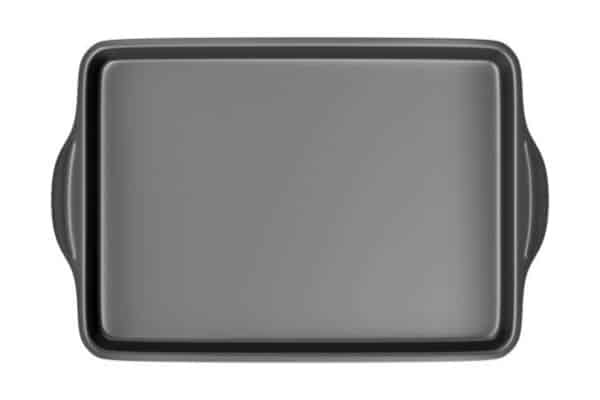
Aluminum trays are among the most popular choices in home kitchens. They heat quickly and spread heat evenly across the surface. This helps cookies, pastries, and roasted foods cook consistently.
A half baking sheet made from aluminum works well for daily use. Many bakers prefer light-colored aluminum because it prevents over-browning. Heavy-duty aluminum trays also resist warping better than thinner pans.
Aluminum trays are lightweight and affordable. They are ideal for beginners who want reliable performance without spending too much money.
Non-Stick Baking Trays
Non-stick baking trays are loved for easy cleanup. Food releases quickly from the surface, which helps with sticky desserts and baked goods. Brownies, cookies, and roasted potatoes often slide right off the tray.
These trays are convenient, but they require careful handling. Metal utensils can scratch the coating. High heat may also damage the non-stick layer over time.
Silicone or wooden tools help protect the surface. Gentle hand washing usually keeps non-stick trays in good shape for years.
Stainless Steel Baking Trays
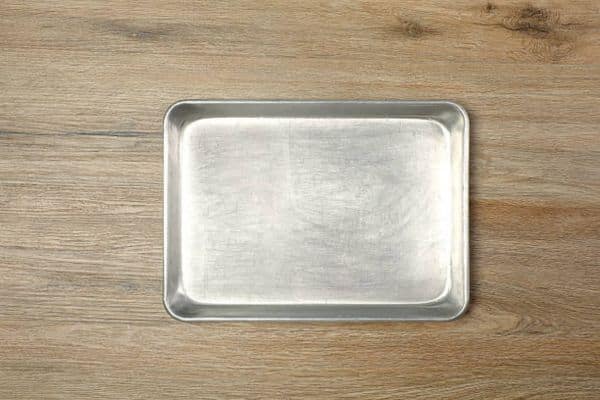
Stainless steel trays are strong and durable. They resist rust and scratches better than many other materials. These trays are common in busy kitchens because they last a long time.
Steel trays do not conduct heat as quickly as aluminum, but they are dependable for roasting and reheating foods. Many people use stainless steel trays for savory dishes instead of delicate pastries.
A commercial baking sheet made from stainless steel often feels heavier and sturdier than regular home trays. That extra weight helps reduce warping during high-temperature cooking.
Carbon Steel Baking Trays
Carbon steel baking trays are popular in professional kitchens. They combine strength with excellent heat retention. Foods become crispy and golden because carbon steel stays hot for longer periods.
These trays are excellent for roasting vegetables, baking pastries, and cooking frozen foods. Many restaurant kitchens rely on carbon steel because it handles constant use well.
Some carbon steel trays require seasoning to maintain performance. Proper care helps prevent rust and improves the natural non-stick surface over time.
Ceramic And Glass Baking Trays
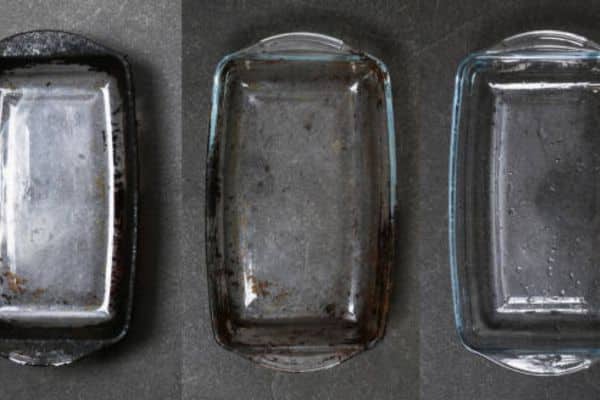
Ceramic and glass trays offer a different baking experience. These materials retain heat longer than metal trays. They are ideal for casseroles, baked pasta, brownies, and desserts.
Glass trays allow cooks to see the bottom of the food while baking. Ceramic trays also look attractive on dining tables, making them great for serving meals directly from the oven.
These trays heat more slowly than metal. Lower temperature adjustments often help prevent overcooking around the edges.
Understanding Half Baking Sheet Sizes
The half baking sheet is one of the most useful tray sizes in American kitchens. Standard half sheet size measurements are usually around 18 x 13 inches. This size fits most home ovens comfortably.
Half sheet pans work for cookies, roasted vegetables, sheet cakes, and meal prep. The shallow rim helps contain grease and prevents spills during cooking.
Many people consider a half baking sheet the perfect all-purpose tray because it handles both baking and roasting tasks easily.
Commercial Baking Sheet Benefits
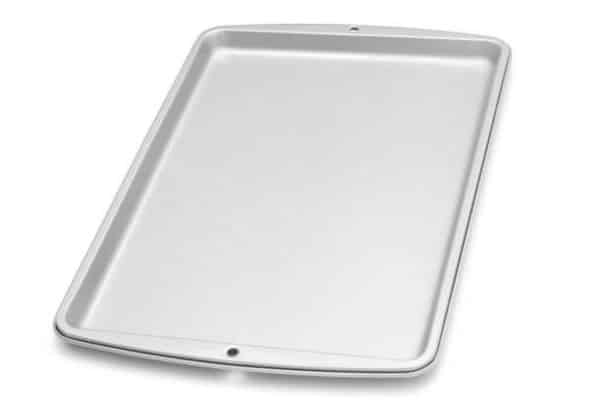
Commercial baking sheets are designed for heavy use. They are thicker, stronger, and more durable than many consumer-grade trays. Restaurants often choose commercial pans because they perform consistently under high temperatures.
A commercial baking sheet usually resists bending and warping better than cheap trays. The thicker metal spreads heat more evenly, which improves baking quality.
Home bakers also benefit from commercial-grade pans. Better durability means fewer replacements and more reliable cooking results over time.
Best Rated Cookie Sheets
The best rated cookie sheets usually have a flat surface with light-colored metal construction. Rimless cookie sheets allow better airflow around cookies, helping them bake evenly.
Heavy-duty aluminum cookie sheets are often recommended because they reduce hot spots. Thin dark trays can cause cookies to burn underneath before the center finishes baking.
Parchment paper also improves results by preventing sticking and reducing excessive browning. Many experienced bakers use parchment on almost every batch of cookies.
Choosing Good Baking Sheets
Good baking sheets should feel solid and balanced. Thin trays often bend loudly in the oven because rapid heat changes cause metal expansion.
Weight matters when choosing baking trays. Heavier trays distribute heat more evenly and maintain stable temperatures better than flimsy options.
Rolled edges add strength and reduce warping. Smooth surfaces also make cleaning easier after cooking greasy foods.
For most kitchens, heavy-duty aluminum or carbon steel trays provide the best balance between durability and performance.
Baking Tray Shapes And Their Uses
Different tray shapes serve different cooking purposes. Flat cookie sheets work well for cookies and pastries. Deep trays handle roasted meats and vegetables better because they contain juices.
Round trays are perfect for pizza and cakes. Square trays often work best for brownies and dessert bars.
Muffin trays, loaf pans, and jelly roll pans also belong to the baking tray family. Each design improves specific cooking tasks and helps create better textures.
Common Baking Tray Mistakes
One common mistake is overcrowding food. Vegetables release steam during cooking, and crowded trays trap moisture. This prevents crispiness.
Another mistake involves using dark trays at very high temperatures. Dark metal absorbs more heat and may burn baked goods faster.
Many people also use damaged non-stick trays long after the coating begins peeling. Replacing worn trays improves both cooking safety and baking quality.
Incorrect tray size can also affect airflow inside the oven. Oversized trays sometimes block heat circulation and create uneven baking.
Cleaning And Maintaining Baking Trays
Proper cleaning helps trays last longer. Warm water, baking soda, and mild soap usually remove grease effectively without damaging surfaces.
Harsh scrubbing pads can scratch metal and non-stick coatings. Gentle cleaning methods preserve tray performance better over time.
Burnt grease buildup affects baking quality because dark residue absorbs excess heat. Regular cleaning prevents uneven browning and keeps trays looking newer.
Drying trays completely after washing also helps prevent rust and staining.
Final Thoughts
Different types of baking trays can completely change cooking results. A reliable tray improves texture, browning, and overall consistency in the kitchen. From aluminum half baking sheets to heavy-duty commercial baking sheets, every tray has strengths that fit different baking styles.
Choosing good baking sheets becomes easier after understanding materials, sizes, and designs. Investing in strong, high-quality trays saves money, improves baking performance, and makes everyday cooking more enjoyable.
