

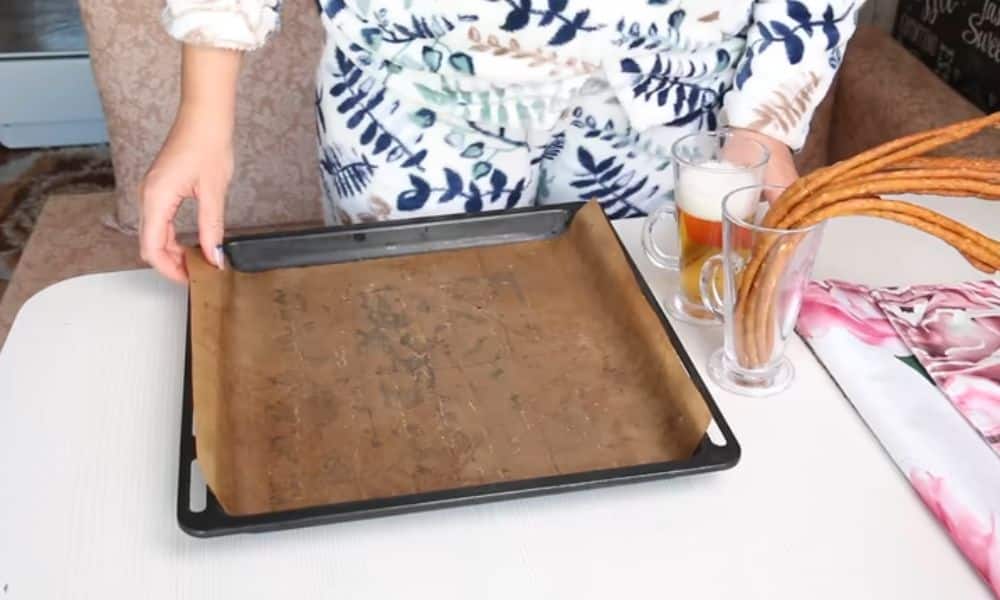
Grease Baking Tray For Cookies properly to stop cookies from sticking, breaking, or burning during baking. A lightly greased tray helps cookies bake evenly and release easily without damaging their shape. Using butter, cooking spray, or parchment paper can also reduce burnt grease buildup and make cleanup much faster after baking.
Why Greasing A Baking Tray Matters
A baking tray takes direct heat inside the oven. Cookie dough contains butter, sugar, and oils that melt quickly during baking. Without proper greasing, cookies can stick and break apart while removing them. Greasing also protects the tray surface from burnt sugar stains and hard grease buildup.
Some cookie recipes already contain a lot of butter. Others use less fat and need extra help from a greased surface. The right method depends on the tray material and cookie style.
Best Ways To Grease Baking Trays
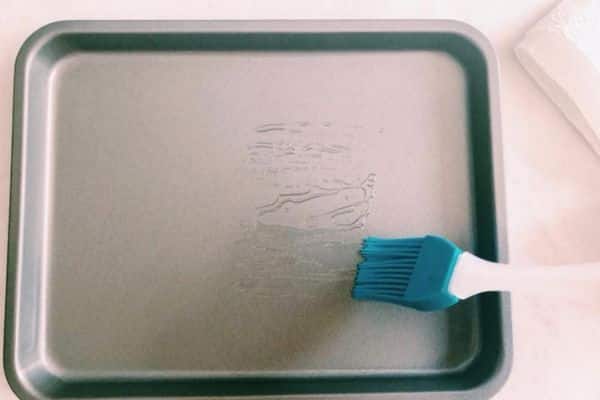
Several simple methods work well for cookie baking. Each option has its own benefits depending on the recipe and tray type.
Butter
Butter creates rich flavor and helps cookies brown nicely. A thin layer works best. Too much butter can make cookies spread too fast.
Use softened butter and spread a light coating with a paper towel or pastry brush. Focus on covering the full tray evenly.
Cooking Spray
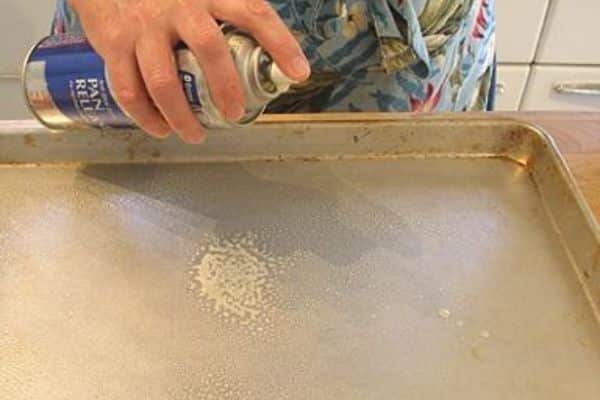
Non-stick spray is one of the easiest options. It creates a thin, even layer in seconds. Most sprays work well for chocolate chip cookies, sugar cookies, and frozen cookie dough.
Avoid spraying too heavily because extra oil can burn during baking.
Shortening
Shortening gives a smooth, non-stick surface and works well for crisp cookies. Many bakers prefer it because it does not add extra flavor.
Apply a very light layer across the tray using a clean paper towel.
Parchment Paper
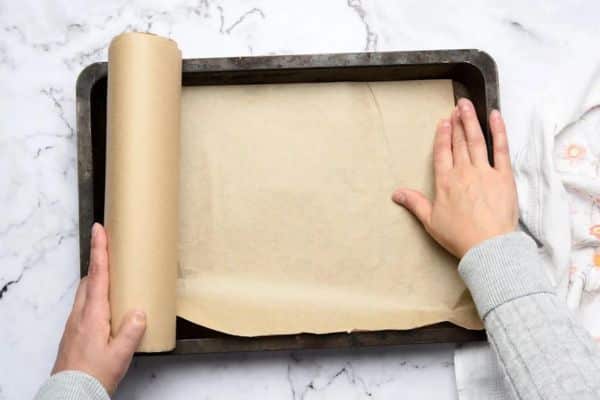
Parchment paper is one of the best choices for cookies. It prevents sticking without adding extra grease. Cleanup also becomes much easier.
Many professional bakers use parchment paper instead of direct greasing because it helps cookies bake evenly.
Should Every Cookie Tray Be Greased?
Not always. Some modern baking trays already have non-stick coatings. Greasing these trays too much can cause cookies to spread more than expected.
Thin aluminum trays usually benefit from parchment paper or light greasing. Dark metal trays heat faster and can brown cookie bottoms quickly, so lighter greasing often works better.
Silicone baking mats usually do not need any grease at all.
Common Mistakes While Greasing Cookie Trays
Small mistakes can ruin cookie texture or appearance. Avoiding these problems helps create better results.
Using Too Much Grease
Heavy grease causes cookies to spread too thin. The bottoms may become oily or overly crisp.
A thin coating is enough for most baking trays.
Greasing Hot Trays
Adding butter or spray onto a hot tray can create uneven coating and burnt spots. Always grease trays before heating them.
Ignoring Tray Material
Different trays react differently inside the oven. Dark trays absorb more heat. Shiny aluminum reflects heat better and usually gives softer cookie bottoms.
Understanding tray material helps improve cookie baking results.
Best Baking Tray Materials For Cookies
The tray itself affects baking quality. Some materials hold heat evenly while others create hot spots.
Aluminum Baking Trays
Aluminum trays are popular because they heat evenly and cool quickly. They work especially well for soft cookies and consistent baking.
Non-Stick Baking Trays
Non-stick trays reduce sticking problems and need less grease. They are easy to clean but can wear out over time.
Stainless Steel Baking Trays
Stainless steel trays last a long time but may not heat as evenly as aluminum. Cookies sometimes need parchment paper for easier release.
For a detailed comparison, read this guide on Aluminium Vs Stainless Steel Baking Tray.
How To Grease A Baking Tray Properly
Good greasing takes less than a minute and helps prevent many baking problems.
Step 1: Clean The Tray
Old grease or burnt crumbs affect baking performance. Wash and dry the tray fully before use.
Step 2: Choose The Grease Method
Pick butter, spray, shortening, or parchment paper depending on the cookie recipe.
Step 3: Apply A Thin Layer
Spread lightly across the entire tray. Corners and edges matter too because cookie dough spreads during baking.
Step 4: Add Parchment Paper Optional
Some bakers lightly grease the tray first, then place parchment paper on top for extra stability.
Is Parchment Paper Better Than Greasing?
Parchment paper offers several advantages:
- Easier cleanup
- Less sticking
- More even baking
- Reduced burnt bottoms
- Less grease usage
Greasing alone still works well for many cookie recipes, especially traditional homemade batches.
Tips For Better Cookie Baking Results
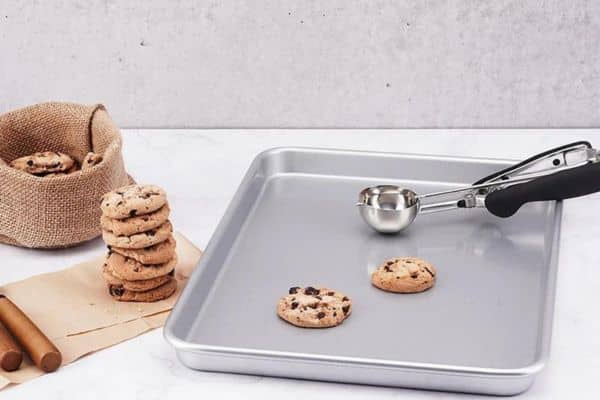
A few simple baking habits improve cookie texture and consistency.
Use Room Temperature Dough
Very cold dough may bake unevenly. Slightly softened dough spreads more naturally.
Avoid Overcrowding The Tray
Cookies need space for airflow and spreading. Leave enough room between dough balls.
Rotate The Tray Midway
Ovens often have uneven heat zones. Rotating trays halfway through baking helps cookies brown evenly.
Let Cookies Cool Briefly
Fresh cookies are soft and delicate. Allow them to cool for a few minutes before removing them from the tray.
How To Clean Greasy Baking Trays
Grease buildup becomes harder to remove over time. Regular cleaning keeps trays working properly.
Warm water, baking soda, and dish soap help remove baked-on grease. Avoid harsh metal scrubbers on non-stick surfaces.
You can also read this helpful guide about How To Clean Non Stick Baking Trays.
Best Cookie Types For Greased Baking Trays
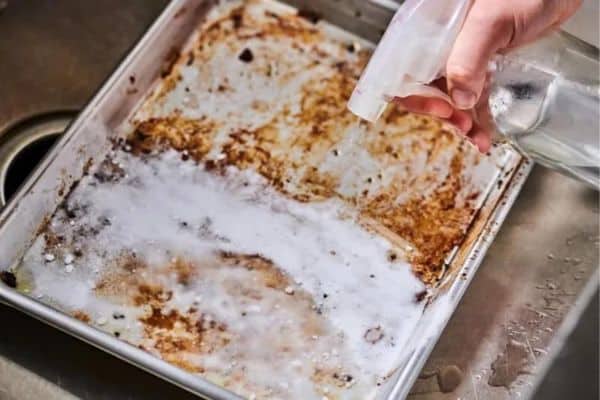
Some cookies perform especially well on lightly greased trays.
Chocolate Chip Cookies
These bake evenly with light spray or parchment paper.
Oatmeal Cookies
Oatmeal dough can stick slightly, so light greasing helps.
Sugar Cookies
Parchment paper works best for maintaining shape and smooth bottoms.
Peanut Butter Cookies
These often contain enough oil naturally but still benefit from light tray preparation.
Signs Your Tray Needs Replacement
Old trays can affect baking quality badly. Replace trays that show:
- Warping
- Deep scratches
- Peeling non-stick coating
- Heavy discoloration
- Uneven baking spots
A damaged tray may burn cookies faster or cause sticking problems even with grease.
Final Thoughts
Knowing how to grease baking tray for cookies correctly helps improve texture, shape, and cleanup. A light layer of butter, cooking spray, or parchment paper usually works best. Avoid excessive grease because it changes how cookies spread during baking.
Choosing the right baking tray also matters. Aluminum trays, non-stick surfaces, and parchment paper combinations often deliver the most reliable cookie results. With proper tray preparation, homemade cookies bake more evenly and release easily every time
