

If you enjoy baking cookies, roasting vegetables, or making sheet pan meals, you have probably used a baking tray at some point. But many people still ask, what is a baking tray and how is it different from other types of bakeware?
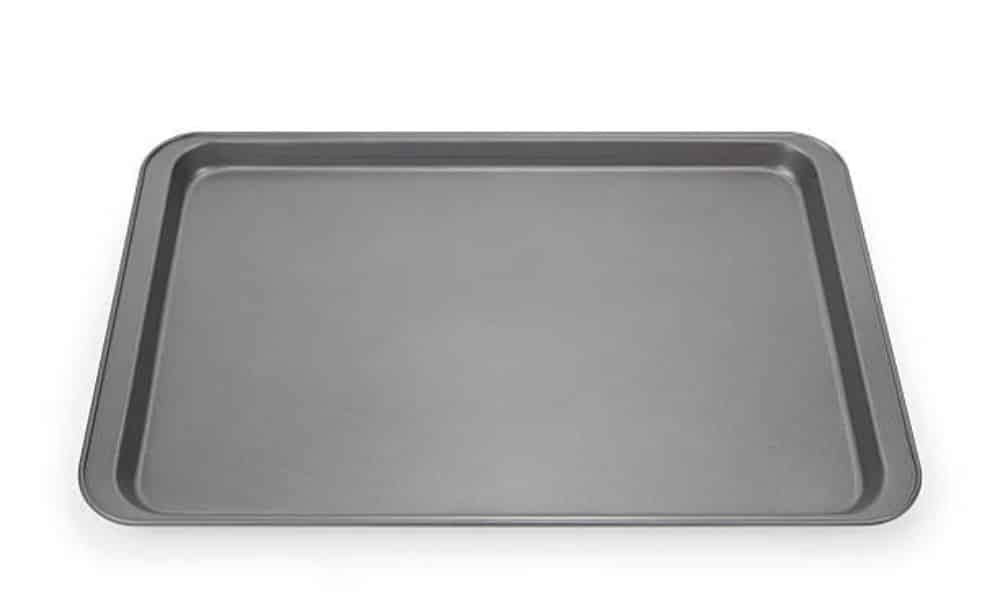
A baking tray is a flat or slightly raised metal tray designed for baking and roasting food in an oven. It provides a stable surface that helps food cook evenly while allowing heat to circulate around the ingredients. Baking trays come in different sizes, materials, and designs, making them one of the most useful tools in any kitchen.
This guide explains everything you need to know about baking trays, including their purpose, types, materials, uses, and tips for choosing the right one.
What Is A Baking Tray?
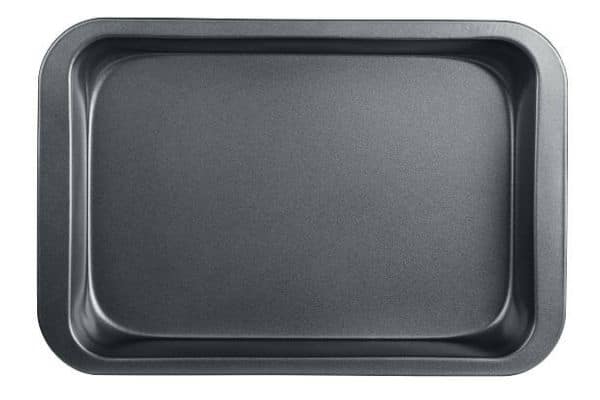
A baking tray is a shallow metal pan used for baking, roasting, and reheating food in an oven. Most baking trays are rectangular and feature low edges or raised rims around the sides.
The main purpose of a baking tray is to hold food while allowing heat to distribute evenly during cooking. Because of their flat design, baking trays are ideal for foods that benefit from direct heat exposure.
Common foods cooked on baking trays include:
- Cookies
- Biscuits
- Pastries
- Pizza
- Roasted vegetables
- Chicken wings
- French fries
- Fish fillets
Most home kitchens have at least one baking tray because of its versatility and convenience.
Why Is A Baking Tray Important?
A baking tray helps create consistent cooking results.
Without a proper baking tray, food may cook unevenly or stick to the cooking surface. A quality tray distributes heat evenly, helping baked goods brown properly and preventing undercooked areas.
Another advantage is airflow. The shallow design allows hot air to circulate around food, creating crisp textures and better browning.
For everyday cooking, a baking tray can replace multiple specialized pans and simplify meal preparation.
What Does A Baking Tray Look Like?
A baking tray typically has a flat bottom with low sides ranging from a few millimeters to about one inch high.
Some baking trays are completely flat, while others feature slightly raised edges to prevent liquids or grease from spilling.
Common characteristics include:
- Rectangular shape
- Metal construction
- Flat cooking surface
- Low or raised rim
- Lightweight design
Modern baking trays are available in various finishes, including aluminum, stainless steel, non-stick coatings, and ceramic-coated surfaces.
Different Types Of Baking Trays
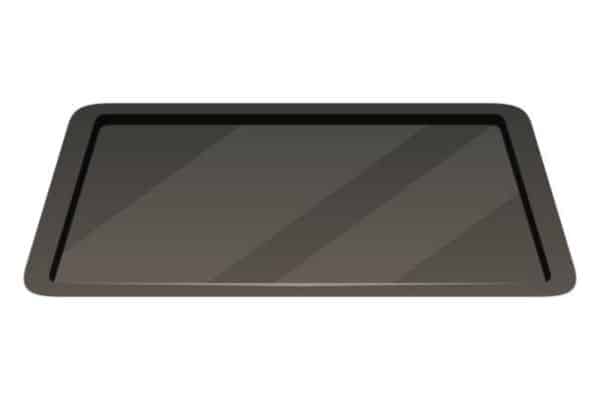
Not all baking trays are identical. Several types are available for specific cooking needs.
Flat Baking Tray
A flat baking tray has no raised sides.
These trays are commonly used for cookies, pastries, and bread because they allow easy removal of baked goods.
Many professional bakers prefer flat trays for cookie production because they provide maximum airflow.
Rimmed Baking Tray
A rimmed baking tray includes raised edges around the perimeter.
The rims help contain grease, juices, and liquids during cooking.
This type is often used for:
- Roasted vegetables
- Chicken
- Sheet pan dinners
- Fish
- Frozen foods
Rimmed trays are among the most popular options for home kitchens. Learn more about the differences between baking trays and baking sheets in our detailed guide on Baking Sheet Vs Baking Tray.
Non-Stick Baking Tray
Non-stick trays feature a special coating that reduces food sticking.
These trays make cleanup easier and often require less oil.
They work especially well for cookies, pastries, and delicate baked goods.
Perforated Baking Tray
Perforated trays contain small holes throughout the cooking surface.
These holes improve airflow and help create crispier crusts.
They are commonly used for:
- Pizza
- Bread
- French fries
- Frozen snacks
Deep Baking Tray
A deep baking tray has higher sides than standard models.
These trays are suitable for foods that release more liquid during cooking.
Examples include:
- Lasagna
- Roasted meats
- Casseroles
- Large sheet cakes
Common Materials Used In Baking Trays
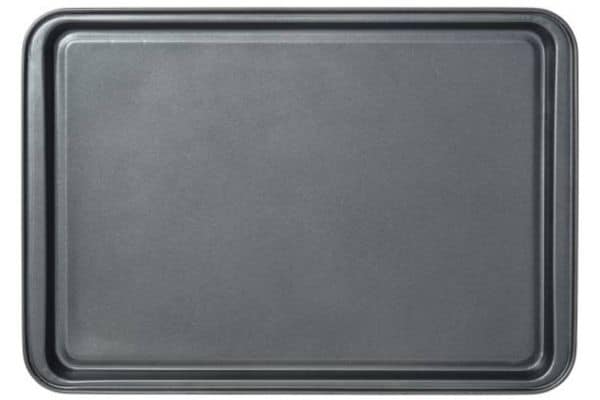
The material affects performance, durability, and cooking results.
Aluminum Baking Trays
Aluminum is one of the most popular materials.
It heats quickly and distributes heat evenly throughout the tray.
Benefits include:
- Lightweight
- Affordable
- Excellent heat conduction
- Fast cooking performance
Many professional bakeries rely on aluminum baking trays because of their consistent results.
Stainless Steel Baking Trays
Stainless steel trays are highly durable and resistant to rust.
Advantages include:
- Long lifespan
- Scratch resistance
- No coating to wear out
- Easy maintenance
However, stainless steel may not conduct heat as efficiently as aluminum.
Non-Stick Baking Trays
These trays feature coatings designed to prevent food from sticking.
Benefits include:
- Easier cleanup
- Less oil required
- Better release of baked goods
The coating may eventually wear down if not cared for properly.
Ceramic-Coated Baking Trays
Ceramic coatings provide a naturally non-stick surface without traditional chemicals.
Many people choose ceramic trays because they are easy to clean and offer attractive designs.
What Can You Cook On A Baking Tray?
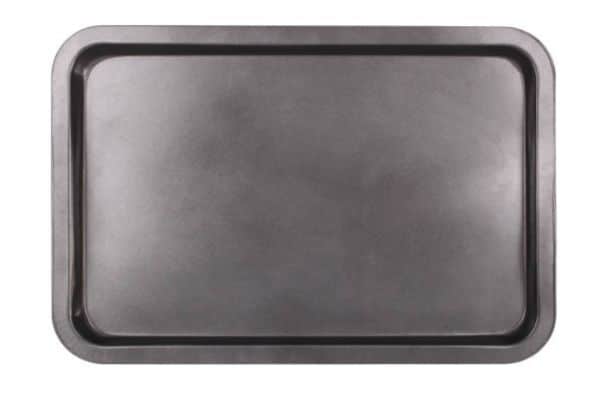
One reason baking trays are so popular is their versatility.
You can cook a wide variety of foods on a single tray.
Examples include:
Cookies
Cookies are one of the most common baking tray foods.
The flat surface allows cookies to spread evenly while baking.
Vegetables
Roasting vegetables on a baking tray enhances flavor and creates a crispy texture.
Popular choices include:
- Potatoes
- Carrots
- Broccoli
- Brussels sprouts
Meat
Many meats cook exceptionally well on baking trays.
Examples include:
- Chicken wings
- Chicken breasts
- Sausages
- Bacon
Pizza
Large baking trays are frequently used for homemade pizza.
The tray provides even support while helping the crust brown.
Frozen Foods
Frozen fries, nuggets, fish sticks, and snacks are often prepared on baking trays.
The open surface encourages crisp cooking.
How To Choose The Best Baking Tray
Selecting the right baking tray depends on your cooking habits.
Several factors should be considered.
Size
Choose a tray that fits comfortably inside your oven.
Common sizes include:
- Quarter sheet
- Half sheet
- Full sheet
Most home ovens accommodate half-sheet trays.
Material
Consider how you typically cook.
Aluminum is excellent for baking.
Stainless steel offers durability.
Non-stick provides easier cleanup.
Rim Height
Low rims are ideal for cookies.
Higher rims work better for roasting foods that release juices.
Durability
Look for thick, sturdy construction.
Thin trays may warp under high temperatures.
Heavy-duty trays generally last longer and perform better.
How To Use A Baking Tray Properly
Using a baking tray correctly improves cooking results.
Always preheat the oven before placing food inside.
Avoid overcrowding the tray because packed food may steam rather than roast.
For easier cleanup, consider using:
- Parchment paper
- Silicone baking mats
- Aluminum foil
When roasting vegetables or meats, leave small gaps between pieces to promote airflow.
This helps food develop a golden-brown exterior.
How To Clean A Baking Tray
Proper cleaning extends the life of your baking tray.
After cooking, allow the tray to cool completely.
Wash with warm water, mild dish soap, and a soft sponge.
Avoid abrasive scrubbers on non-stick surfaces.
For stubborn stains:
- Sprinkle baking soda over the tray.
- Add a small amount of water.
- Let it sit for 30 minutes.
- Gently scrub the residue away.
Regular cleaning helps maintain performance and appearance.
Common Baking Tray Mistakes To Avoid
Many people unknowingly reduce the lifespan of their baking trays.
Common mistakes include:
- Using metal utensils on non-stick coatings
- Washing hot trays with cold water
- Overcrowding food
- Using harsh cleaning chemicals
- Exceeding recommended oven temperatures
Avoiding these habits can keep your trays in excellent condition for years.
Baking Tray Vs Baking Sheet
The terms baking tray and baking sheet are often used interchangeably.
In many regions, they refer to the same product.
However, some people describe a baking sheet as a flatter version with little or no rim, while a baking tray usually includes raised edges.
Despite these differences, both serve similar cooking purposes.
Conclusion
Understanding what is a baking tray can help you choose the right bakeware and improve your cooking results. A baking tray is a versatile oven-safe pan used for baking, roasting, and reheating a wide variety of foods.
Whether you choose aluminum, stainless steel, or non-stick options, a quality baking tray can make baking easier and more enjoyable. With proper care and regular cleaning, a good baking tray can serve your kitchen for many years while helping you create delicious meals and baked treats.
