

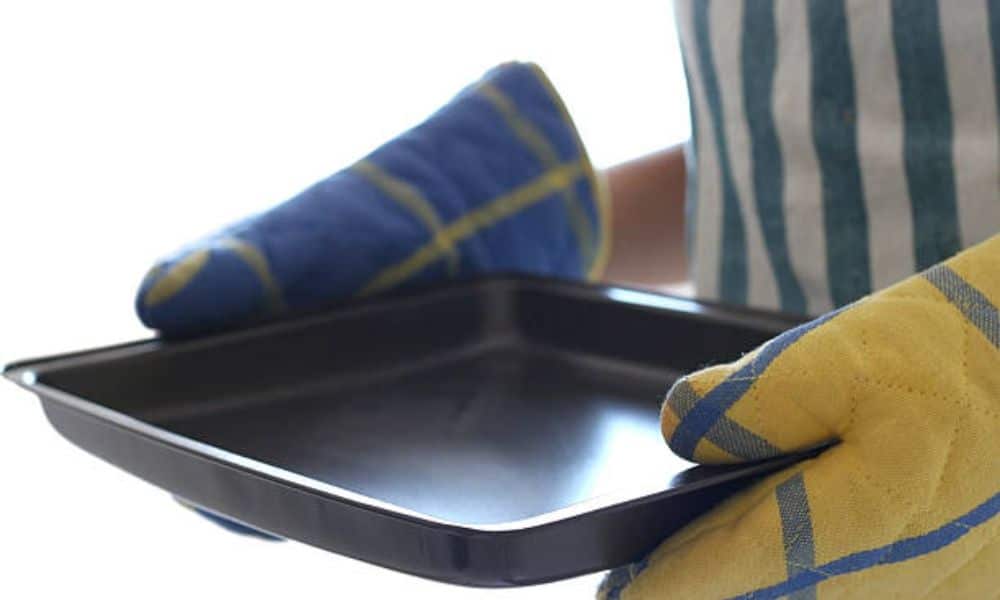
How to keep baking trays from staining is a common question for home bakers and busy kitchens. Baking trays often collect brown grease marks, burnt food stains, and discoloration after regular oven use. These stains can make trays look old and harder to clean over time. Simple habits like using parchment paper, cleaning trays quickly, and avoiding burnt grease can help protect the surface. With the right care methods, baking trays can stay cleaner, last longer, and continue giving better baking results for everyday cooking.
Why Baking Trays Get Stained
Most baking tray stains come from baked-on grease and food residue. High oven temperatures cause oils to harden onto the metal surface. Over time, these layers become dark and difficult to remove.
Non-stick trays can also develop stains from cooking sprays and sugary foods. Aluminum trays often discolor because heat reacts with oils and moisture. Even stainless steel trays collect brown marks after repeated baking sessions.
Regular cleaning helps, but prevention makes the biggest difference.
Clean Baking Trays Right After Use
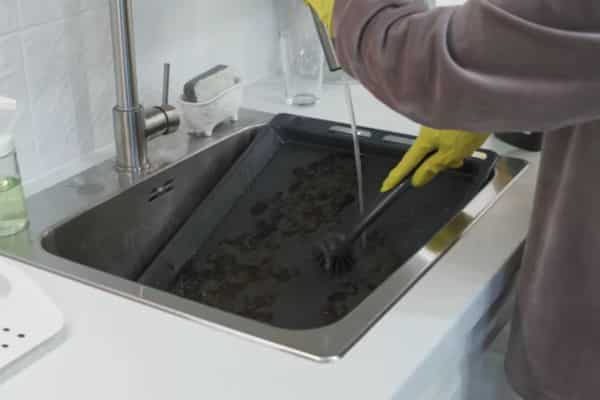
One of the easiest ways to prevent stains is cleaning trays soon after cooking. Letting grease sit overnight allows it to harden onto the surface.
Warm water and dish soap usually remove fresh residue quickly. A soft sponge works better than steel wool because rough scrubbers may damage protective coatings.
Hot water also loosens grease faster. A simple rinse immediately after baking prevents deep discoloration later.
Avoid High Heat For Long Periods
Very high temperatures often create stubborn stains on baking trays. Oils burn faster above 425°F, especially during roasting or broiling.
Using slightly lower heat helps protect the tray surface. Foods still cook evenly while grease burns less aggressively onto the metal.
Dark stains usually appear faster around tray corners because heat concentrates there. Rotating trays during baking can reduce uneven burning.
Use Parchment Paper
Parchment paper acts like a protective barrier between food and the tray surface. It prevents grease, sauces, and sugar from touching the metal directly.
Cookies, roasted vegetables, and frozen foods all leave less residue with parchment paper underneath. Cleanup becomes much easier after cooking.
Parchment paper also reduces scratching because less scrubbing is needed later.
Try Silicone Baking Mats
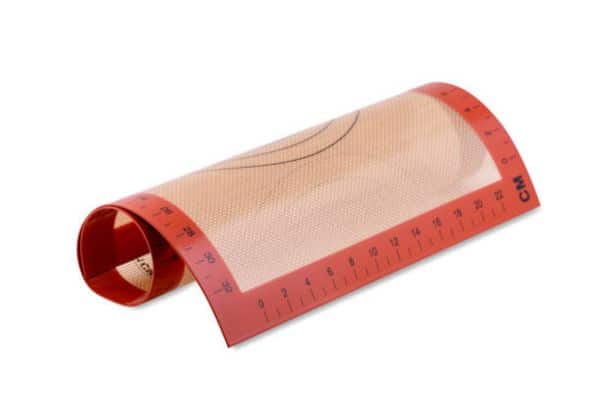
Reusable silicone mats help stop stains from forming on baking trays. These mats handle high heat and block oils from sticking to the tray itself.
Many home bakers prefer silicone mats for cookies and pastries because they create even browning while protecting the tray surface.
Silicone mats also save money over time compared to constantly buying parchment paper.
Avoid Cooking Spray Build-Up
Cooking sprays seem helpful, but many leave sticky residue behind. Over time, this residue becomes yellow or brown stains that are hard to remove.
Using a small amount of regular oil with a pastry brush often works better. Olive oil, avocado oil, or vegetable oil spread more evenly without creating thick layers.
Too much grease on the tray usually leads to faster staining.
Dry Baking Trays Completely
Moisture can leave marks on baking trays, especially aluminum ones. Water spots sometimes turn into dull stains after repeated heating.
Always dry trays completely before storing them. A microfiber cloth removes moisture quickly and prevents mineral marks.
Air drying may leave streaks, especially in areas with hard water.
Store Baking Trays Carefully
Stacking trays roughly can damage protective surfaces. Scratches allow grease and burnt food to cling more easily during future cooking.
Placing a soft towel or liner between trays helps prevent surface damage. Proper storage keeps trays smoother and easier to clean.
Hanging trays vertically also reduces scratches in crowded kitchen cabinets. For better durability and easier maintenance, many home bakers compare materials before buying. Read this guide on Aluminium Vs Stainless Steel Baking Tray to understand which option works best for everyday baking.
Use Baking Soda For Light Cleaning
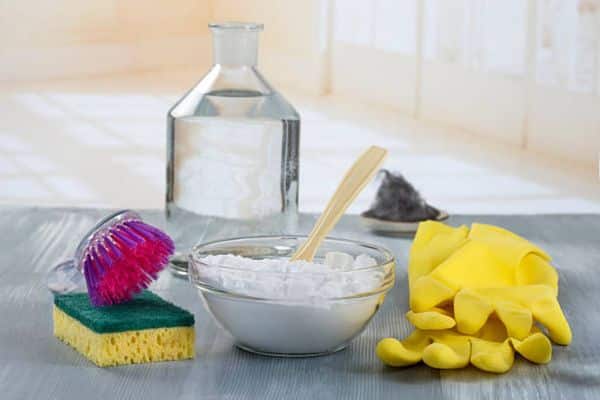
Baking soda helps remove grease before it becomes permanent staining. A simple paste made with baking soda and warm water gently lifts residue from most tray surfaces.
Spread the paste across stained areas and leave it for about 20 minutes. Wipe with a soft sponge afterward.
This method works especially well for aluminum and stainless steel trays.
Avoid Harsh Metal Scrubbers
Steel wool and metal brushes may seem effective, but they often damage tray coatings. Tiny scratches trap grease during future baking sessions.
Soft scrub pads clean safely without harming the surface. Gentle cleaning methods help trays stay stain-resistant longer.
Non-stick trays especially need careful handling because damaged coatings stain more quickly.
Wash Non-Stick Baking Trays By Hand
Dishwashers may shorten the life of non-stick baking trays. Harsh detergent and strong water pressure can weaken protective coatings over time.
Hand washing keeps surfaces smoother and prevents discoloration. Warm soapy water usually removes fresh grease without difficulty.
Many manufacturers also recommend hand washing for better tray durability.
Avoid Acidic Foods Sitting Too Long
Tomato sauce, vinegar, lemon juice, and marinades sometimes react with baking tray surfaces. Acidic foods may leave discoloration after long exposure.
Removing food quickly after cooking helps prevent chemical reactions with aluminum trays. Glass or ceramic dishes work better for heavily acidic recipes.
Quick cleanup protects tray color and finish.
Deep Clean Trays Monthly
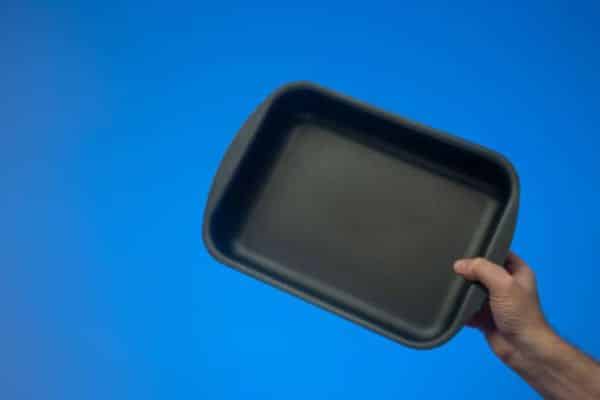
Even well-maintained trays slowly collect hidden grease layers. Monthly deep cleaning removes buildup before stains become permanent.
A mixture of baking soda and hydrogen peroxide works well for stubborn discoloration. Spread the mixture over the tray and leave it for several hours before rinsing.
Deep cleaning restores brightness and improves baking performance.
Avoid Burning Sugary Foods
Sugar burns very quickly in the oven. Caramel, barbecue sauce, and sweet glazes often create dark spots on baking trays.
Using parchment paper or silicone mats becomes especially important with sugary recipes. Lower oven temperatures may also help reduce burnt residue.
Burnt sugar stains are usually among the hardest marks to remove.
Choose High Quality Baking Trays
Cheap baking trays often stain faster because thinner metal heats unevenly. Better quality trays usually have stronger coatings and thicker construction.
Heavy-duty aluminum or stainless steel trays resist warping and discoloration more effectively. Quality trays also distribute heat more evenly during baking.
Good trays may cost more initially but often last for years with proper care.
Natural Cleaning Methods Work Best
Strong chemical cleaners sometimes damage tray finishes. Natural cleaning methods usually clean effectively without harming surfaces.
Common household items like:
- Baking soda
- Vinegar
- Lemon juice
- Dish soap
can remove most residue safely.
Gentle maintenance keeps trays looking newer much longer.
Keep Grease From Pooling
Large amounts of oil collect in tray corners during roasting. These pools of grease often create the darkest stains.
Using less oil helps reduce residue buildup. Spreading vegetables or foods evenly across the tray also prevents concentrated grease spots.
Some bakers place a wire rack over trays to improve airflow and reduce direct grease contact.
Replace Old Damaged Trays
Sometimes trays become permanently stained after years of heavy use. Deep scratches, peeling coatings, and warped metal may affect cooking results.
Replacing severely damaged trays improves both appearance and baking performance. New trays also clean more easily and resist future staining better.
Well-maintained trays usually last many years before replacement becomes necessary.
Common Mistakes That Cause Baking Tray Stains
Many staining problems come from simple kitchen habits. Avoiding these mistakes keeps trays cleaner longer.
Common causes include:
- Leaving grease overnight
- Using too much cooking spray
- Scrubbing with steel wool
- Cooking sugary foods directly on trays
- Using extremely high oven heat
- Storing trays while damp
Small changes in daily habits can greatly reduce discoloration.
Best Baking Tray Materials For Stain Resistance
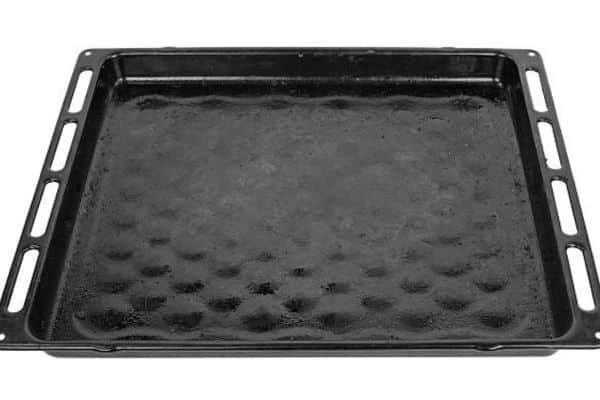
Different tray materials react differently to heat and grease.
Aluminum Trays
Aluminum heats evenly but stains easily without proper care. Parchment paper helps protect the surface.
Stainless Steel Trays
Stainless steel resists rust and scratches better. These trays usually handle deep cleaning well.
Non-Stick Trays
Non-stick trays prevent food sticking but require gentle cleaning. Harsh scrubbers damage coatings quickly.
Ceramic-Coated Trays
Ceramic coatings resist stains well and clean easily. These trays also avoid some issues linked to traditional non-stick coatings.
Conclusion
Learning how to keep baking trays from staining mostly comes down to prevention and regular maintenance. Quick cleaning, proper storage, parchment paper, and gentle washing all help trays stay in better condition.
Simple habits make a big difference over time. Clean trays not only look better but also improve baking performance and last much longer in the kitchen.
