

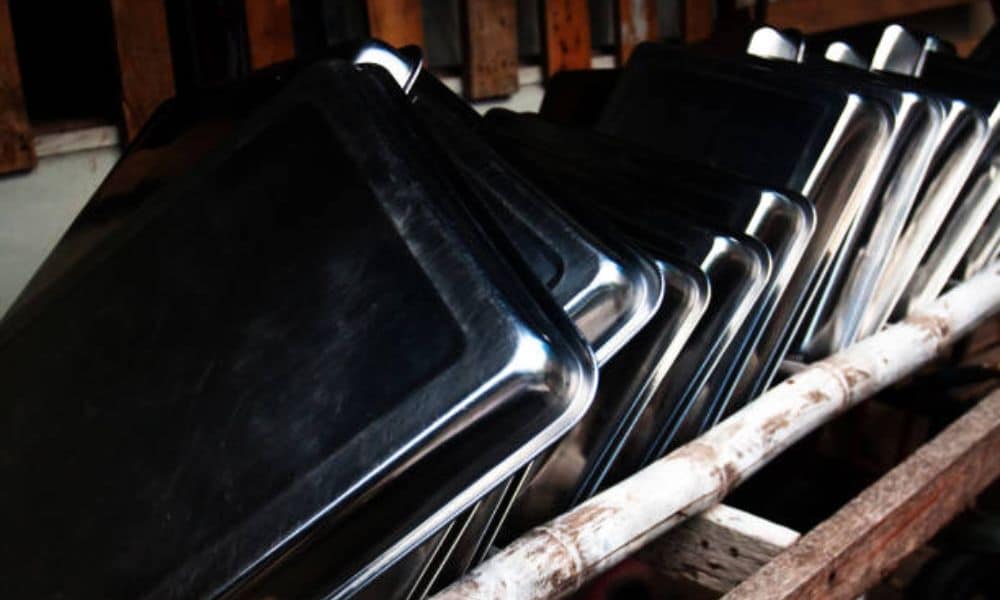
How To Store Baking Trays is a common question in busy kitchens with limited cabinet space. Baking trays can quickly create clutter, especially large sheet pans, roasting trays, and muffin tins that are hard to stack neatly. Poor storage often leads to scratched non-stick surfaces, bent trays, and messy cabinets that make cooking stressful.
A smart storage system keeps baking trays organized, easy to reach, and protected from damage. Simple ideas like vertical organizers, cabinet dividers, and pull-out racks can make a huge difference in both small and large kitchens. Proper storage also helps baking trays last longer and keeps the kitchen looking clean and functional every day.
Why Proper Baking Tray Storage Matters
Baking trays are used almost daily in many homes. Poor storage can damage coatings, bend metal, and create cabinet chaos. Organized storage keeps trays in better condition and makes cooking easier.
Well-stored trays also last longer. Non-stick coatings stay smooth, aluminum trays avoid dents, and heavy-duty pans remain easier to clean. Good storage prevents unnecessary wear caused by stacking or dropping trays.
A clean system also saves time. No more pulling out five trays just to grab one cookie sheet. Easy access creates a smoother cooking routine and reduces frustration in busy kitchens.
Sort Baking Trays Before Organizing
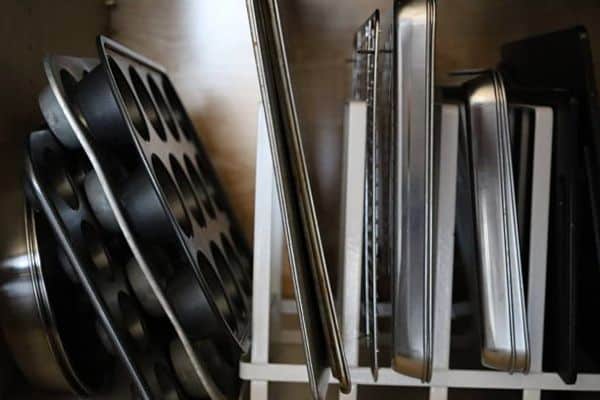
The first step is removing every tray from cabinets and drawers. Many kitchens collect old or damaged trays that no longer serve a purpose. Sorting helps free up space instantly.
Group trays into categories such as:
- Cookie sheets
- Roasting trays
- Muffin tins
- Pizza pans
- Cooling racks
- Deep baking dishes
Check each tray carefully. Bent pans, rusty trays, or badly scratched non-stick surfaces should be replaced. Keeping only useful items makes storage much easier.
Store Baking Trays Vertically
Vertical storage is one of the best ways to organize baking trays. Standing trays upright prevents large stacks and creates easier access.
Vertical organizers fit inside lower cabinets and pantry spaces. Each tray slides into its own section, making removal simple and fast. This method also protects non-stick coatings from scratches.
Wire rack dividers work well for:
- Baking sheets
- Pizza pans
- Cutting boards
- Cooling racks
Many people use simple file organizers or adjustable cabinet racks for the same effect. Vertical storage works especially well in small kitchens with limited cabinet space.
Use Cabinet Dividers
Cabinet dividers help separate trays neatly inside deep cabinets. Adjustable dividers create custom sections based on tray size.
This method keeps trays stable and upright. Heavy roasting pans stay secure instead of falling over every time the cabinet opens. Cabinet dividers also reduce scratches caused by metal rubbing together.
Wooden, metal, and plastic divider systems are all available. Expandable designs fit most kitchen cabinets without permanent installation.
Cabinet dividers are perfect for storing:
- Large baking trays
- Sheet pans
- Cooling racks
- Serving trays
Install Pull-Out Organizers
Pull-out organizers make lower cabinets far easier to use. These sliding systems allow trays to move forward smoothly without digging deep into cabinets.
Pull-out storage works well for heavy items like cast iron roasting trays or deep baking dishes. The sliding motion improves visibility and keeps cabinets organized.
This setup also helps older adults or anyone with mobility concerns. Less bending and lifting makes the kitchen safer and more comfortable.
Pull-out organizers are popular in modern kitchens because they maximize deep storage spaces efficiently.
Use a Dedicated Baking Station
A baking station keeps all baking tools together in one area. This setup saves time and improves kitchen organization.
Store baking trays close to:
- Mixing bowls
- Measuring cups
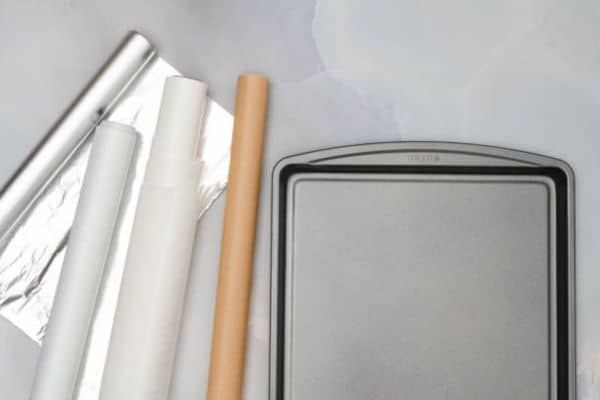
- Parchment paper
- Silicone mats
- Cooling racks
Keeping related items nearby creates a smoother baking process. Everything stays easy to reach during busy cooking sessions.
A lower cabinet near the oven often works best for a baking station. Vertical tray storage inside that cabinet keeps the area organized and functional.
Protect Non-Stick Baking Trays
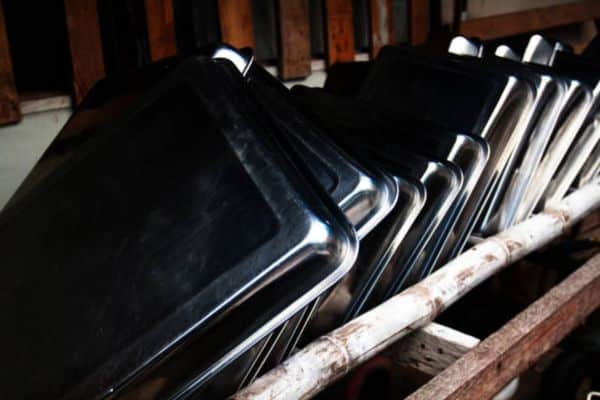
Non-stick baking trays need extra care during storage. Scratches damage the coating and reduce tray performance over time.
Avoid stacking trays directly on top of each other without protection. Soft liners help prevent metal contact and surface damage.
Good protective options include:
- Felt pan protectors
- Silicone mats
- Paper towels
- Thin dish towels
These barriers reduce scratching and help trays last longer. Proper care also keeps food from sticking during baking.
Store Large Baking Trays in Deep Cabinets
Large baking trays can be difficult to fit inside standard cabinets. Deep lower cabinets usually provide the best solution.
Store oversized trays vertically along cabinet walls. Deep roasting pans can sit at the back while flatter trays remain near the front for easier access.
Some homeowners install tension rods inside cabinets to create tray dividers. This affordable solution works surprisingly well for organizing large pans.
Avoid placing heavy trays in upper cabinets. Lifting bulky metal pans overhead increases the risk of accidents.
Use Wall Storage for Baking Trays
Wall-mounted storage works well in small kitchens with limited cabinets. Hanging systems keep trays accessible while freeing up valuable storage space.
Popular wall storage ideas include:
- Pegboards
- Metal rails
- Hanging hooks
- Open shelving
Wall storage also creates a professional kitchen appearance. Many home bakers enjoy displaying attractive copper or stainless steel trays openly.
Strong hooks are important for heavy trays. Secure installation prevents accidents and protects walls from damage.
Organize Baking Trays in Drawers
Deep drawers can hold baking trays neatly with the right dividers. This setup works especially well in modern kitchens.
Drawer storage provides easy visibility and access. Pulling open a drawer feels simpler than digging through crowded cabinets.
Use vertical separators inside drawers to keep trays standing upright. Soft liners also help reduce scratching and sliding.
Deep drawers work well for:
- Cookie sheets
- Muffin pans
- Cooling racks
- Silicone baking mats
This method keeps trays hidden while maintaining a clean kitchen appearance. Learn safe and easy methods in How To Clean Non Stick Baking Trays to protect the coating and keep trays looking like n
Store Baking Trays by Frequency of Use
Frequently used trays should stay in the easiest-to-reach locations. Rarely used holiday trays can move to higher shelves or pantry storage.
Daily-use trays belong near the oven or prep area. This placement improves workflow and reduces unnecessary movement around the kitchen.
Heavy roasting trays often work best in lower cabinets. Lightweight cookie sheets can sit in higher sections if needed.
Organizing by usage frequency creates a more practical kitchen layout overall.
Keep Baking Tray Lids and Accessories Organized
Some baking trays include lids or removable racks. These accessories can quickly create clutter without proper organization.
Small bins or drawer organizers help keep accessories together neatly. Labeling sections also improves organization in busy kitchens.
Store related accessories close to matching trays whenever possible. This reduces searching during cooking and keeps the kitchen efficient.
Good organization prevents lost pieces and creates a more enjoyable cooking experience.
Best Storage Solutions for Small Kitchens
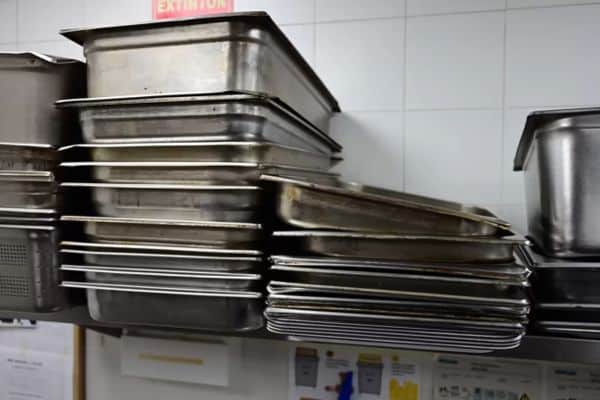
Small kitchens need creative baking tray storage ideas. Space-saving systems help maximize every inch.
Useful small-kitchen storage solutions include:
- Over-the-door organizers
- Slim rolling carts
- Vertical racks
- Hanging wall systems
- Adjustable shelf risers
Compact kitchens benefit greatly from vertical storage. Even narrow spaces beside refrigerators or cabinets can hold slim tray organizers.
Minimal clutter also helps small kitchens feel larger and cleaner.
Avoid Common Baking Tray Storage Mistakes
Some storage habits shorten the life of baking trays quickly. Avoiding these mistakes protects trays and keeps cabinets organized.
Common problems include:
- Stacking heavy trays carelessly
- Storing wet trays
- Overcrowding cabinets
- Hanging weak hooks
- Ignoring scratched non-stick surfaces
Always dry trays completely before storing. Moisture can lead to rust, staining, or unpleasant odors.
Leaving extra space between trays also reduces scratches and bending.
How to Store Baking Trays Long-Term
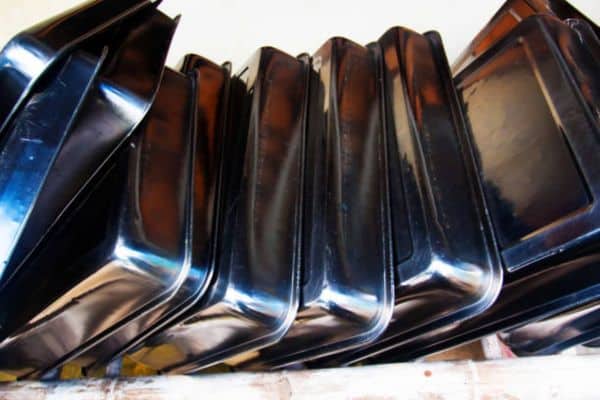
Seasonal or specialty baking trays may need long-term storage. Proper preparation prevents damage during long periods without use.
Clean trays thoroughly before storing. Remove grease and food residue completely. Dry every surface carefully.
Wrap delicate trays in soft cloth or paper before placing them in storage containers. Plastic storage bins work well for protecting rarely used baking items.
Store trays in cool, dry spaces away from moisture and extreme heat.
Best Materials for Easy Storage
Some baking tray materials are easier to store than others. Lightweight aluminum trays usually fit more easily into vertical organizers.
Carbon steel trays feel heavier but remain durable for frequent use. Stainless steel trays resist rust and stack more safely.
Non-stick trays require extra spacing and protection. Silicone baking trays offer flexible storage options because they bend easily without damage.
Understanding tray materials helps create a better storage system.
Simple Baking Tray Organization Tips
Small habits help maintain organized storage long-term.
Helpful habits include:
- Return trays immediately after cleaning
- Keep only frequently used pans
- Clean cabinets regularly
- Use labels for sections
- Avoid overcrowding storage areas
Consistency matters more than expensive storage products. Even simple systems work well with regular maintenance.
An organized kitchen saves time, reduces stress, and improves the cooking experience every day.
Conclusion
Learning how to store baking trays properly can completely transform kitchen organization. Smart storage methods protect trays, save cabinet space, and make cooking easier.
Vertical organizers, cabinet dividers, pull-out racks, and wall storage all provide excellent solutions for keeping trays neat and accessible. Protecting non-stick coatings and avoiding overcrowded cabinets also helps trays last much longer.
A clean baking tray system creates a smoother kitchen routine and reduces daily frustration. Even small kitchens can stay organized with the right storage ideas and simple habits.
