

Are non stick baking trays safe for everyday cooking and baking? This is a common question for home bakers who use non stick bakeware for cookies, roasted vegetables, pizza, and other oven meals. Modern non stick baking trays are designed to handle normal baking temperatures safely, but many people still worry about coating chemicals, scratches, and overheating risks.
Understanding how these trays work, what materials they use, and how to care for them properly can help reduce safety concerns and improve baking performance. Choosing high-quality non stick bakeware and using it the right way makes a big difference in both safety and durability.
What Are Non Stick Baking Trays Made Of?
Most non stick baking trays are made from aluminum or carbon steel with a special coating on the surface. This coating prevents food from sticking during baking. It also helps reduce the need for excess oil or butter.
Common non stick coatings include:
- PTFE coatings
- Ceramic non stick coatings
- Silicone-based finishes
Many older concerns came from a chemical called PFOA. Modern baking trays from trusted brands are now commonly labeled PFOA-free, which has improved safety standards significantly.
Are Modern Non Stick Baking Trays Safe?
Yes, modern non stick baking trays are generally considered safe for home cooking. Most quality bakeware products meet strict food safety standards and are designed for normal oven temperatures.
The biggest safety factor is heat control. Non stick coatings can begin to break down at extremely high temperatures. Most manufacturers recommend keeping baking temperatures below 500°F.
Using the tray within the recommended range helps prevent coating damage and reduces the chance of releasing fumes.
Why Some People Worry About Non Stick Coatings
Safety concerns usually come from older cookware technology or misuse. Overheating damaged trays can create unpleasant smells or smoke. Deep scratches may also cause coating wear over time.
Common concerns include:
- Chemical exposure
- Coating flakes
- Overheating fumes
- Scratched surfaces
- Cheap low-quality materials
Most of these problems happen with old, damaged, or poorly made trays rather than modern high-quality bakeware.
Understanding PTFE Coatings
PTFE is one of the most common non stick materials used in baking trays. It creates the smooth surface that keeps food from sticking.
PTFE itself is considered stable at normal cooking temperatures. Problems usually begin only with severe overheating far above regular baking conditions.
Typical baking temperatures for cookies, cakes, and roasted foods stay well below dangerous levels. That makes normal household baking generally safe.
Ceramic Non Stick Baking Trays
Ceramic coated baking trays have become more popular in recent years. Many people choose them because they are marketed as more natural alternatives.
Ceramic coatings do not contain PTFE. They also perform well for low-fat cooking and easy cleanup.
Benefits of ceramic trays include:
- Smooth cooking surface
- Less oil needed
- Fast cleaning
- Good heat distribution
- No PTFE coating
Some ceramic coatings may wear faster than traditional non stick surfaces, especially with rough cleaning methods.
Can Non Stick Baking Trays Release Toxic Fumes?
This mainly happens during extreme overheating. Empty trays left under broilers or exposed to very high temperatures can damage the coating.
Normal baking temperatures rarely create this problem. Most home ovens used properly stay within safe limits.
Signs of overheating include:
- Smoke
- Burning smell
- Discoloration
- Warped tray surface
Avoid using non stick trays directly under intense broiler heat unless the manufacturer clearly states they are broiler-safe.
Are Scratched Non Stick Baking Trays Dangerous?
Light surface marks are usually not a major problem. Deep scratches are different because they expose the metal underneath and weaken the coating.
A heavily scratched tray may:
- Lose non stick performance
- Peel more easily
- Heat unevenly
- Wear out faster
Replacing badly damaged trays is the safest option. Using silicone utensils or wooden tools helps prevent scratching.
Safe Temperature Limits For Non Stick Baking Trays
Most non stick trays are oven-safe up to around 450°F to 500°F. Always check the manufacturer’s instructions because limits vary by brand.
High heat cooking methods like broiling or direct flame exposure are not ideal for standard non stick surfaces.
Safe cooking practices include:
- Preheating gradually
- Avoiding empty overheating
- Using moderate oven temperatures
- Following brand recommendations
These habits help protect the coating and improve tray lifespan.
How To Use Non Stick Baking Trays Safely
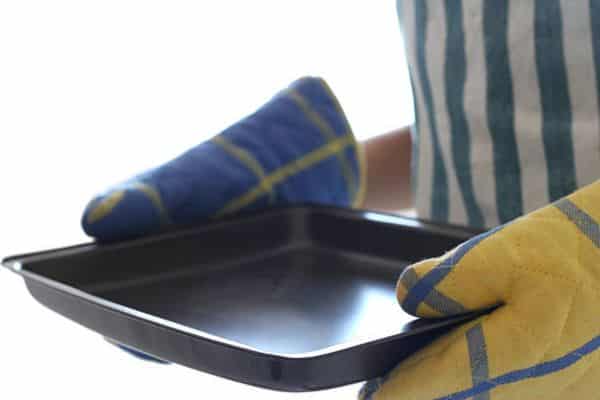
Safe use mostly comes down to simple kitchen habits. Proper handling can keep the coating in good condition for years.
Helpful safety tips include:
- Use silicone or wooden utensils
- Avoid metal scrubbers
- Hand wash whenever possible
- Do not stack trays roughly
- Avoid cooking sprays that leave residue
Gentle care reduces surface damage and keeps the tray performing properly.
Best Foods To Cook On Non Stick Baking Trays
Non stick trays work especially well for foods that normally stick to metal surfaces.
Popular uses include:
- Cookies
- Biscuits
- Roasted vegetables
- Fish fillets
- Frozen snacks
- Pizza
- Pastries
The smooth coating helps delicate foods release more easily without tearing or breaking apart.
Do Non Stick Baking Trays Wear Out?
Yes, every non stick coating eventually wears down over time. Heat exposure, cleaning habits, and frequent use all affect lifespan.
Signs a tray may need replacement include:
- Peeling coating
- Heavy scratches
- Rust spots
- Uneven cooking
- Sticky food residue
Most quality trays last several years with proper maintenance.
Are Cheap Non Stick Baking Trays Less Safe?
Low-cost trays sometimes use thinner materials and weaker coatings. Cheap trays may warp more easily and lose their non stick surface faster.
Higher quality trays usually offer:
- Better heat resistance
- Stronger coating adhesion
- More even baking
- Longer lifespan
- Better scratch resistance
Buying from trusted cookware brands often leads to better long-term safety and performance.
Aluminum Vs Carbon Steel Non Stick Trays
Both materials are widely used in bakeware. Each has different advantages.
Aluminum Baking Trays
Aluminum heats quickly and evenly. It is lightweight and popular for home baking.
Advantages include:
- Fast heating
- Even browning
- Lightweight design
- Good for cookies and pastries
Carbon Steel Baking Trays
Carbon steel trays are heavier and retain heat longer.
Benefits include:
- Strong durability
- Better heat retention
- Reduced warping
- Great for roasting
Both can be safe choices when coated properly.
Are Non Stick Baking Trays Dishwasher Safe?
Some trays are labeled dishwasher safe, but hand washing is usually better for long-term durability. Strong detergents and rough dishwasher cycles can slowly damage the coating.
Gentle cleaning helps preserve:
- Non stick performance
- Surface smoothness
- Coating lifespan
- Tray appearance
Warm water, soft sponges, and mild soap work best.
Common Mistakes That Damage Non Stick Baking Trays
Many tray problems come from simple kitchen mistakes.
Avoid these habits:
- Using metal utensils
- Heating empty trays
- Scrubbing aggressively
- Using steel wool
- Cooking above recommended temperatures
- Stacking without protection
Proper care keeps the tray safer and more effective for longer use.
Are Silicone Baking Mats Safer Than Non Stick Trays?
Silicone baking mats are another popular option for reducing sticking. They sit on top of baking trays and create a reusable non stick surface.
Advantages include:
- Less direct tray contact
- Easy cleanup
- Reduced oil use
- Reusable design
Many bakers combine silicone mats with aluminum trays for added protection and longer tray life.
How To Choose A Safe Non Stick Baking Tray
Choosing the right tray matters just as much as using it correctly.
Look for features like:
- PFOA-free labeling
- Heavy gauge construction
- Trusted cookware brands
- Oven-safe temperature ratings
- Warp-resistant design
Reading reviews can also help identify trays that hold up well over time.
Signs Your Baking Tray Should Be Replaced
Replacing worn bakeware is important for both cooking quality and safety.
Replace the tray if you notice:
- Peeling coating
- Major scratches
- Rusting edges
- Warping
- Burn marks that do not clean off
A fresh tray often improves baking consistency and food release immediately.
Are Non Stick Baking Trays Worth Buying?
For many home cooks, non stick baking trays remain one of the most convenient kitchen tools available. They simplify baking, reduce sticking, and make cleanup easier after cooking.
Modern versions are much safer than older products from decades ago. Choosing quality bakeware and using it correctly makes a huge difference.
Most safety concerns can be avoided through proper temperature control, gentle cleaning, and replacing trays once they become heavily damaged.
Final Thoughts
Non stick baking trays are generally safe for everyday baking when used properly. Modern PFOA-free coatings, normal oven temperatures, and careful maintenance help reduce most risks linked to non stick surfaces.
The safest approach is to buy quality trays, avoid overheating, and replace damaged bakeware once the coating starts to peel or scratch heavily. With proper care, non stick baking trays can remain a reliable and safe part of everyday cooking for years.
