

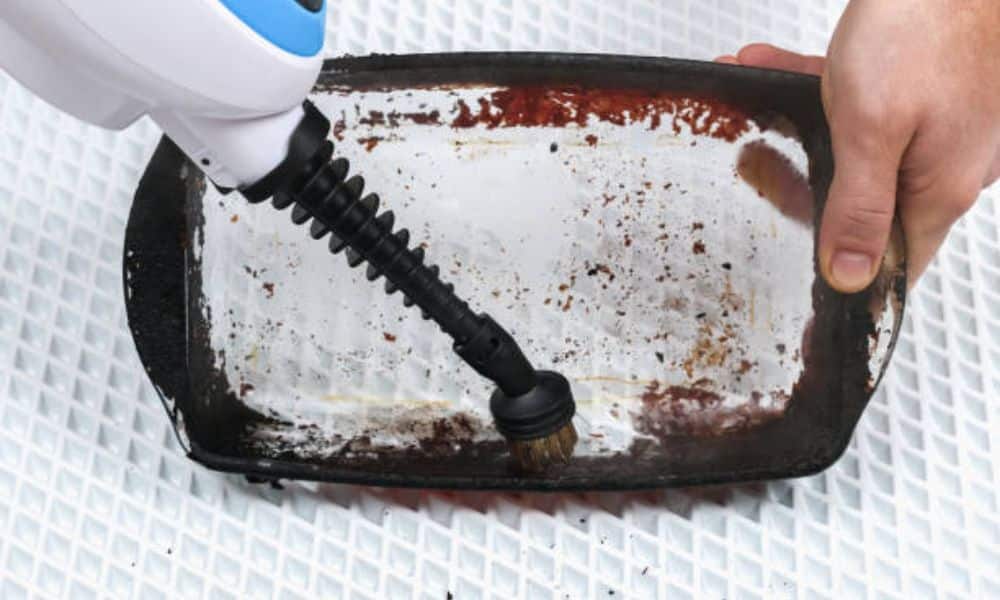
Rust stains can make old cookware look ruined, but learning how to remove rust from baking tray surfaces can help restore them quickly at home. Baking trays often develop rust from moisture, scratches, and poor storage conditions. Simple methods like baking soda, vinegar, lemon juice, and gentle scrubbing can remove light rust and improve tray performance. With proper cleaning and maintenance, many rusty baking trays can stay safe and usable for years longer.
Why Baking Trays Get Rust
Rust on a baking tray can look awful. It can also make food stick and leave dark marks on cookies, pizza, and roasted vegetables. Many people think a rusty tray must be thrown away right away. That is not always true. Learning how to remove rust from baking tray surfaces can help save money and keep baking trays useful for much longer.
Baking trays rust after the metal surface gets damaged or worn out. Water and air touch the exposed metal and start creating rust. This problem becomes common in older trays or trays that stay wet for too long after washing. Humid kitchens can also make rust appear faster than expected.
Is Rust On A Baking Tray Dangerous
Small rust spots are usually easy to clean. Deep rust can become harder to remove and may weaken the tray over time. Light rust normally stays on the surface, while severe rust creates rough patches and flakes. Checking the condition of the tray first helps decide whether cleaning or replacement is the better choice.
Small amounts of rust are usually not dangerous, but badly rusted trays should not be used for cooking. Rust can affect food quality and make baking uneven. Deep rust may also weaken the tray and shorten its lifespan completely.
Remove Rust With Baking Soda
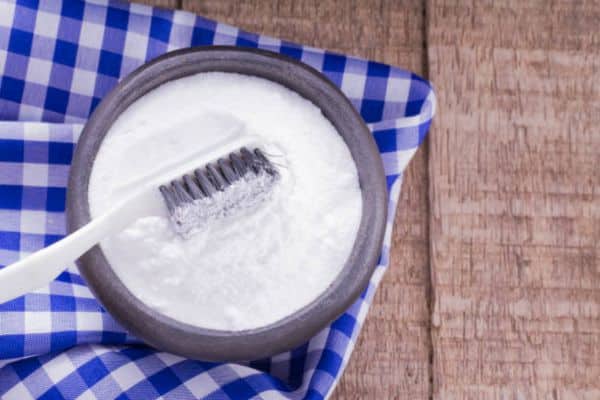
One of the easiest ways to remove rust from baking trays is using baking soda. Baking soda works well because it gently lifts rust without damaging most tray surfaces. It is also safe, cheap, and available in almost every kitchen. This method works especially well for mild rust stains.
Start by mixing baking soda with a small amount of water. Make a thick paste that can stick to the tray surface easily. Spread the paste directly over the rusty areas and leave it there for about thirty minutes. The mixture slowly softens the rust and makes scrubbing easier afterward.
After waiting, scrub the tray gently with a sponge or soft brush. Circular motions usually work best for loosening rust. Once the rust starts coming off, rinse the tray with warm water. Dry it fully with a towel right away to stop new rust from forming again.
Clean Rust Using White Vinegar
White vinegar is another powerful rust remover for baking trays. Vinegar contains acid that breaks down rust naturally. Many people use this method because it works faster on medium rust stains and does not require expensive cleaning products from stores.
Pour white vinegar over the rusty parts of the tray. Let the tray soak for one or two hours depending on how much rust is present. Heavy rust may need a longer soak. After soaking, scrub the tray using a sponge or brush until the rust loosens completely.
Wash the tray carefully after cleaning with vinegar. Warm water and dish soap help remove leftover acid and rust particles. Dry the tray fully before storing it. Leaving even small drops of water on metal can cause rust to return quickly after cleaning.
Use Lemon Juice And Salt
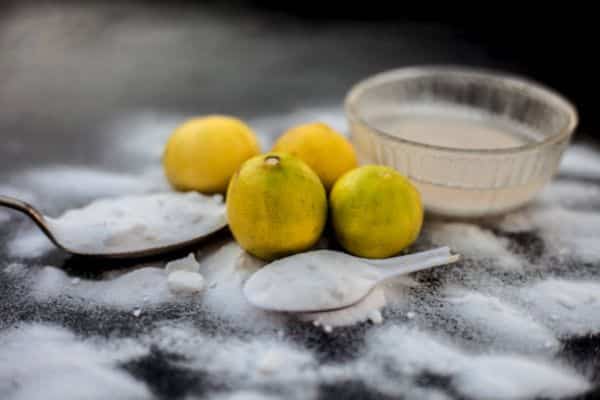
Lemon juice and salt also work surprisingly well on rusty baking trays. Lemon juice contains natural acid, while salt adds scrubbing power. Together they create a simple homemade rust cleaner that works well for smaller stains and light rust patches.
Sprinkle salt over the rusty areas first. Squeeze fresh lemon juice directly on top of the salt until the surface becomes wet. Leave the mixture sitting for around one hour. The acid slowly loosens the rust while the salt helps lift it during scrubbing.
After waiting, scrub the tray gently using a sponge or soft brush. The rust should start coming off more easily than before. Rinse the tray with water and dry it completely. This method also leaves the tray smelling cleaner and fresher than strong chemical products.
Potato And Dish Soap Method
Some people use potatoes to remove rust from baking trays. It sounds strange at first, but potatoes contain oxalic acid that helps break down rust naturally. This method works best for light surface rust and small stains that are not deeply stuck into the metal.
Cut a potato in half and add dish soap to the cut side. Rub the potato over the rusty spots slowly. Leave the soap and potato juice on the tray for several minutes. Then scrub gently and rinse the tray clean with warm water afterward.
Remove Heavy Rust With Steel Wool
Heavy rust sometimes needs stronger scrubbing methods. Fine steel wool can help remove thick rust buildup from stainless steel trays. Steel wool should be used carefully because rough scrubbing may scratch tray surfaces and damage protective coatings.
Wet the tray slightly before using steel wool. Rub gently in circular motions over the rusted areas. Do not press too hard because deep scratches can make future rust appear faster. After cleaning, wash the tray well and dry it completely before storing it away.
Cleaning Rust From Non Stick Baking Trays
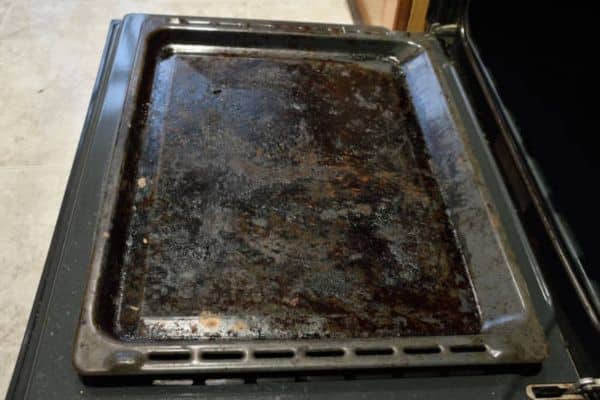
Non-stick baking trays need extra care during rust removal. Strong scrubbers and steel wool may ruin the non-stick coating permanently. Once the coating gets damaged, food starts sticking badly and the tray becomes harder to clean during future baking sessions.
Safer cleaning methods for non-stick trays include baking soda paste, vinegar soaking, and soft sponge scrubbing. Deep rust on non-stick trays often means replacement is the better option. Damaged coatings may continue peeling even after the rust gets cleaned away.
How To Prevent Rust On Baking Trays
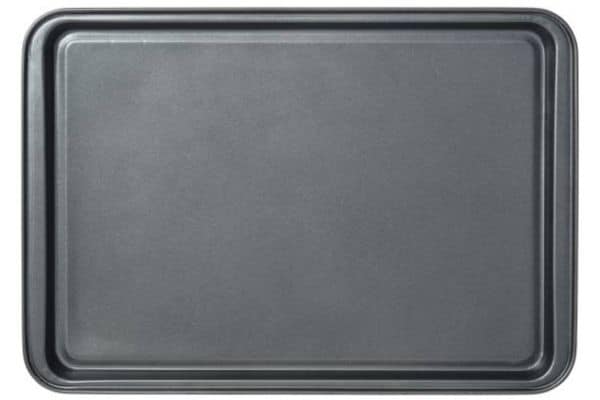
Keeping trays dry is one of the best ways to stop rust from coming back. Moisture is the main reason baking trays start rusting. Even a clean tray can develop rust again quickly when water stays trapped on the metal surface after washing.
Always dry trays immediately after rinsing them. A microfiber towel works well because it absorbs moisture quickly. Letting trays air dry inside closed cabinets may leave hidden moisture behind. Proper drying makes a huge difference in preventing future rust problems.
Storing trays correctly also helps protect them from rust. Avoid stacking wet trays together because moisture gets trapped between them. Trays stored in damp kitchens or near sinks often rust faster than trays kept in dry storage areas with good airflow.
Using parchment paper during baking can help protect baking trays too. Parchment paper prevents grease buildup and reduces direct contact between food and the tray surface. Less scraping and scrubbing means fewer scratches that could later turn into rust spots.
Metal utensils can damage baking trays over time. Knives, forks, and metal spatulas scratch protective surfaces and expose bare metal underneath. Silicone, plastic, or wooden tools are usually safer choices for keeping baking trays in better condition.
Should You Replace A Rusty Baking Tray
Sometimes cleaning is no longer enough. Baking trays with deep rust holes, peeling surfaces, or severe flaking may need replacement. Weak metal can affect baking results and create uneven heating inside the oven during cooking.
Stainless steel trays usually resist rust better than cheap thin steel trays. Aluminum trays also resist corrosion naturally and stay lightweight. Ceramic-coated trays are another good option because they protect the metal underneath from moisture and air exposure.
Cheap low-quality trays often rust quickly because their protective coatings wear out faster. Investing in a stronger baking tray can reduce long-term cleaning problems and improve baking performance at the same time.To compare tray materials, visit aluminium vs stainless steel baking tray
Common Mistakes That Cause More Rust
Many people accidentally make rust worse without realizing it. Leaving trays soaking overnight regularly can weaken surfaces over time. Harsh bleach cleaners may also damage protective coatings and speed up rust formation on metal trays.
Small rust spots should never be ignored for too long. Tiny stains often spread slowly across the tray surface. Early cleaning is much easier than dealing with thick rust buildup later. Regular maintenance helps baking trays last for years longer.
Final Thoughts
Learning how to remove rust from baking tray surfaces is useful for keeping kitchen tools clean, safe, and functional. Baking soda, vinegar, lemon juice, and gentle scrubbing can often restore trays successfully without expensive cleaners or special equipment.
Good tray care habits matter just as much as cleaning methods. Drying trays fully, storing them properly, and avoiding surface scratches help stop rust from returning again. A little maintenance can keep baking trays working well for a very long time.
