

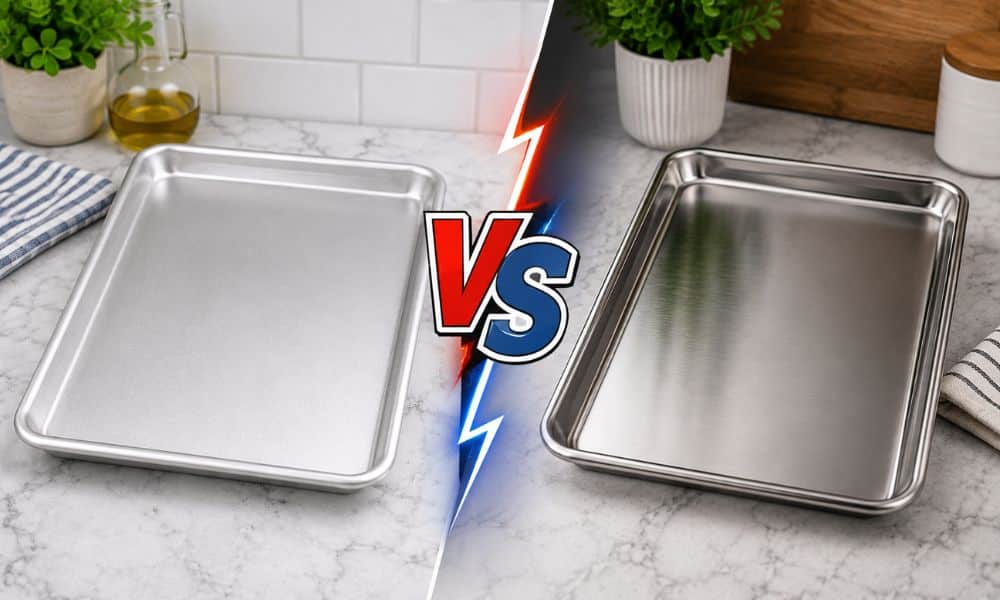
Aluminium Vs Stainless Steel Baking Tray is a common comparison for home bakers trying to choose the best option for daily cooking. After testing both at home for cookies, roasted vegetables, and sheet pan dinners, I noticed aluminum trays heat faster and give more even browning, while stainless steel trays feel sturdier and last longer.
Many home bakers in the USA prefer aluminum for crispy results, but stainless steel works well for durability and acidic foods like tomatoes. Knowing how each tray handles heat, cleaning, and daily use makes it much easier to pick the right one for your cooking style.
Aluminium Baking Tray Review
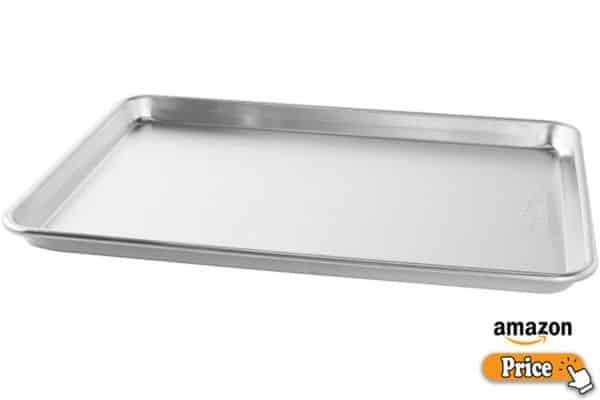
I bought this aluminium baking tray after my old tray started cooking unevenly. I tested it on cookies, roasted vegetables, and frozen fries during busy weeknight cooking at home.
The tray felt lightweight but sturdy when I first used it. It heated quickly and cooked food more evenly than my older stainless steel tray. Cookies browned better, and roasted vegetables came out crisp without burning too fast.
After a few weeks of use, I noticed a few light stains near the corners after high-heat roasting. It also scratched slightly when stacked with other pans, but the cooking performance stayed consistent.
| Pros | Cons |
| Heats evenly and quickly | Can stain over time |
| Lightweight and easy to use | Scratches easier than steel |
| Great for baking and roasting | May warp under very high heat |
| Crispy cooking results | Needs gentle cleaning |
Cleaning was simple with warm water and soap. I usually used parchment paper for sticky foods, which helped a lot during cleanup.
Overall, this aluminium baking tray worked well for daily baking and roasting. It feels practical, cooks evenly, and fits nicely into everyday kitchen use without costing too much.
Stainless Steel Baking Tray Review
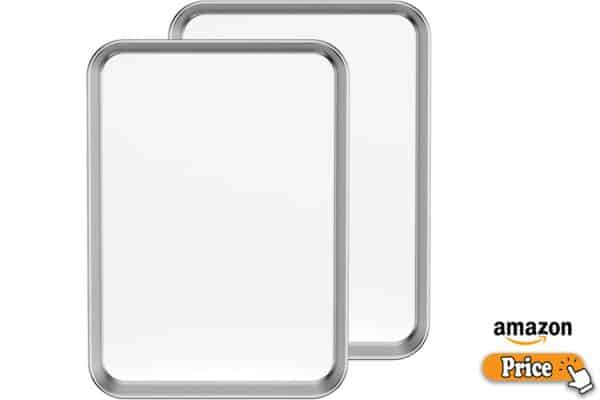
I bought this stainless steel baking tray after my old aluminum tray started warping from high heat. I tested it on roasted vegetables, frozen pizza, and cookies during regular weeknight cooking.
The tray felt heavier but much stronger than aluminum. It stayed flat in the oven and handled high temperatures without bending. Roasted vegetables cooked evenly, and frozen foods crisped well during meal prep.
Cookies baked nicely too, although they browned a little slower compared to my older aluminum tray. I also noticed some foods stuck slightly without parchment paper or oil.
| Pros | Cons |
| Very durable and strong | Heavier than aluminum |
| Handles high heat well | Slower heating |
| Non-reactive surface | Food may stick more |
| Resistant to warping | Shows fingerprints easily |
Cleaning was easy with warm water and soap. After several weeks of use, the tray still looked solid with only a few light marks.
Overall, this stainless steel baking tray felt reliable for daily baking and roasting. It works best for people who want durability and long-term kitchen use.
Details Comparison For Aluminium Vs Stainless Steel Baking Tray
After using both aluminium and stainless steel baking trays for several weeks, I noticed clear differences in daily cooking performance. I tested them on cookies, roasted vegetables, frozen foods, and sheet pan dinners to see how they handled real kitchen use instead of relying on marketing claims.
Heating Performance
I noticed aluminium heated much faster and gave crispier edges during baking. Stainless steel cooked more slowly but kept heat steady during longer roasting sessions.
| Feature | Aluminium Baking Tray | Stainless Steel Baking Tray |
| Heating Speed | Faster | Slower |
| Browning | Crispier results | More gradual browning |
| Heat Distribution | Very even | Steady but slower |
| Best For | Cookies and roasting | Slow roasting |
Durability And Strength
Stainless steel felt much stronger during daily use. My aluminium tray showed small scratches and slight discoloration over time, while the stainless steel tray stayed more stable under high heat.
| Feature | Aluminium Baking Tray | Stainless Steel Baking Tray |
| Warping Resistance | Moderate | Strong |
| Scratch Resistance | Lower | Better |
| High Heat Handling | Good | Excellent |
| Long-Term Durability | Decent | Very durable |
Weight And Ease Of Use
Aluminium felt lighter and easier to move around the kitchen. I found it more comfortable during busy cooking nights when carrying large sheet pan meals.
| Feature | Aluminium Baking Tray | Stainless Steel Baking Tray |
| Weight | Lightweight | Heavier |
| Carrying Comfort | Easy | Slightly bulky |
| Storage Convenience | Simple to stack | Takes more space |
| Handling Hot Food | Easier | More solid grip |
Cleaning And Maintenance
The stainless steel tray resisted stains better, but fingerprints and water spots showed more after washing. Aluminium cleaned quickly but developed light stains after repeated roasting.
| Feature | Aluminium Baking Tray | Stainless Steel Baking Tray |
| Grease Removal | Easy | Easy |
| Stain Resistance | Moderate | Better |
| Dishwasher Results | Good | Very good |
| Surface Marks | Can discolor | Shows fingerprints |
Best Uses And Overall Value
From my experience, aluminium worked better for fast baking and crispy foods. Stainless steel felt like the better long-term option for heavy daily cooking and durability.
| Feature | Aluminium Baking Tray | Stainless Steel Baking Tray |
| Best For Cookies | Excellent | Good |
| Best For Roasting | Very good | Very good |
| Meal Prep Use | Lightweight and fast | Durable and stable |
| Overall Value | Budget-friendly | Long-term investment |
Conclusion
Both trays worked well, but they performed differently in real kitchen use. Aluminium baking trays felt better for fast heating, crispy baking, and lightweight daily cooking. Stainless steel baking trays felt stronger, handled high heat better, and looked more durable after weeks of use. I personally liked aluminium for quick baking tasks, while stainless steel felt more reliable for long-term everyday cooking.
