

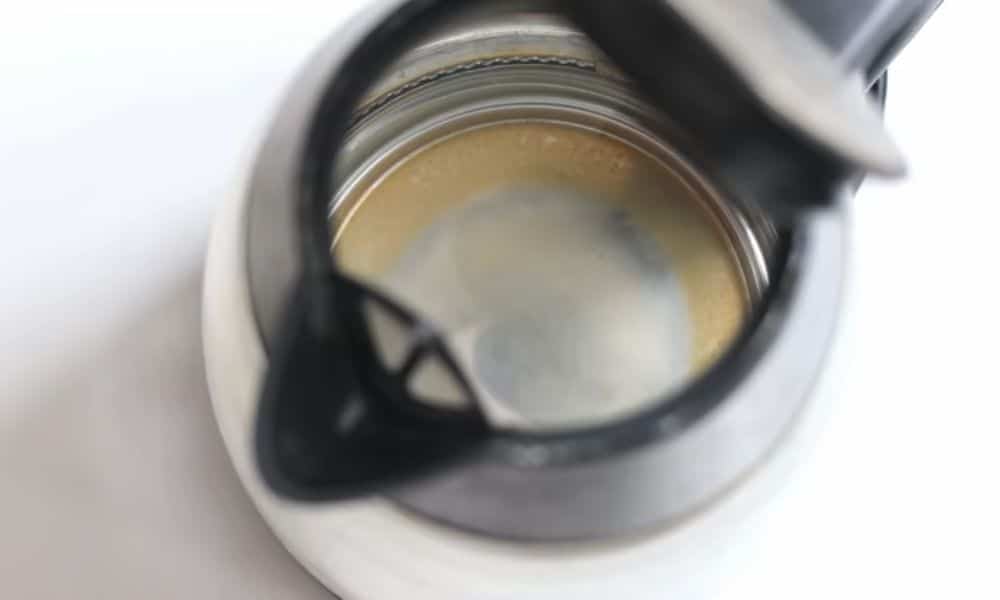
A calm morning tea once turned odd after I saw a brown ring inside my kettle. That small moment pushed me to learn how to remove brown stains from electric kettle using safe, simple methods.
Those stains come from minerals left after water boils again and again. Over time they build up on the metal surface. This same buildup explains how to remove mineral stains from kettle and clean brown stains inside kettle naturally.
In this guide, I share the simple tricks that worked in my own kitchen. You will learn how to remove brown buildup in an electric kettle, clean the interior safely, and keep stains from coming back.
Why Brown Stains Form Inside Electric Kettles
Brown stains often appear inside kettles after many rounds of boiling water. Minerals from hard water stay behind after the water turns to steam. Calcium and magnesium slowly collect on the metal surface and create a dull layer. This residue grows thicker with daily use and forms the brown ring many people notice. Regular tea or coffee routines speed up the buildup because the kettle heats up again and again. A kettle in my kitchen once showed the same stains after months of daily tea. Learning simple cleaning habits helped remove brown buildup in the electric kettle interiors and restored the clean shine inside.
How To Remove Brown Stains From Electric Kettle (Step-By-Step)
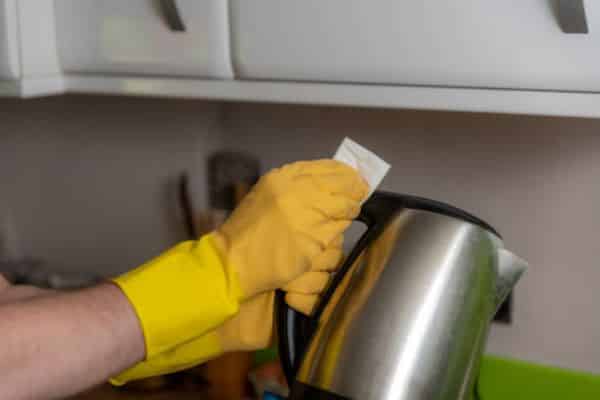
Simple kitchen ingredients often remove mineral stains with little effort. Natural acids dissolve the scale layer and restore the metal surface. A gentle cleaning routine protects the kettle while lifting residue. The following methods show how to remove mineral stains from kettle interiors safely.
Method 1 Vinegar And Water Solution
White vinegar contains a mild acid that breaks down mineral deposits. Fill the kettle halfway with water and add an equal amount of vinegar. Heat the mixture and allow it to rest for about fifteen minutes. A quick rinse removes the loosened residue and leaves the interior clean.
Method 2: Baking Soda Cleaning Method
Baking soda works well for light mineral stains. Add water and one to two tablespoons of baking soda to the kettle. Warm the mixture slightly and use a soft sponge to wipe the surface. This gentle method helps clean brown stains inside the kettle naturally without harsh chemicals.
Method 3 Lemon Juice Descaling Method
Lemon juice offers another natural way to dissolve mineral scale. Fill the kettle with water and add fresh lemon juice or several lemon slices. Heat the mixture and allow it to sit for about twenty minutes. The natural acid in lemon slowly breaks down the mineral layer and restores shine.
How To Clean Stained Electric Kettle Interior Safely
Safe cleaning protects both the kettle surface and the heating element. Soft tools and mild ingredients prevent scratches and damage. Metal scrubbers may harm the interior coating or plate. Understanding how to clean stained electric kettle interior surfaces keeps the appliance working well for years.
How To Remove Hard Water Stains From Electric Kettle
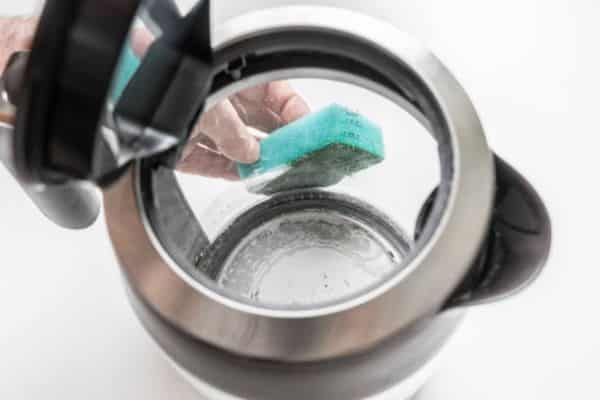
Hard water often creates heavier mineral layers than normal residue. Thick scale may slow heating and affect taste. Deep descaling helps remove hard water stains from electric kettle interiors and restore proper performance.
Signs Of Heavy Mineral Buildup
A chalky white or brown layer signals strong mineral buildup. Water may heat more slowly than usual. Some people notice a slight metallic taste in hot drinks. These signs suggest that a deeper cleaning process is needed.
Deep Descaling Method
A longer vinegar soak dissolves thick mineral deposits. Fill the kettle with a mixture of water and vinegar and allow it to rest overnight. The acid slowly loosens the hardened scale. A rinse the next morning clears away the softened residue and restores the interior surface.
Natural Cleaning Methods I Use For My Electric Kettle
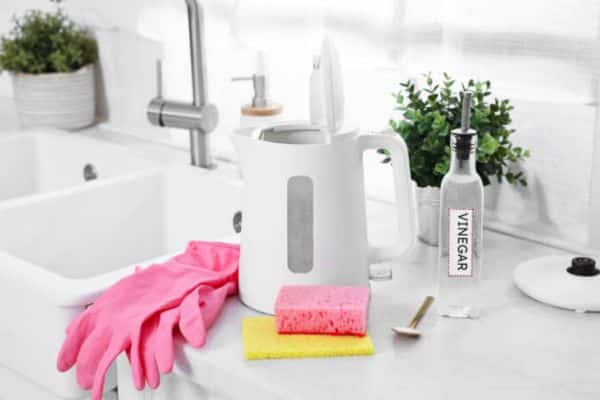
Simple household ingredients keep kettles clean with little effort. Vinegar works well for weekly mineral removal. Lemon rinses add a fresh scent and remove light residue. Baking soda helps lift stubborn stains that cling to the base. One kettle once looked permanently stained, yet a gentle natural cleaning routine restored the shine. You can also read Descale An Electric Kettle to learn a deeper cleaning method that helps remove stubborn mineral buildup and keep your kettle working well.
Common Mistakes When Cleaning Electric Kettles
Many cleaning problems come from strong scrubbing or harsh products. Rough tools may scratch the metal base and create more places for minerals to stick. Bleach and strong chemicals can damage internal components. Ignoring regular cleaning allows stains to grow thicker over time. Long boiling cycles with vinegar may also affect internal parts.
How To Prevent Brown Stains In Electric Kettles
Prevention keeps kettles cleaner and reduces mineral buildup. Emptying leftover water after each use stops minerals from settling on the base. A quick rinse each day removes early residue. Descaling every one or two weeks limits mineral scale. Filtered water also reduces the amount of minerals that cause stains.
How Often Should You Clean Your Electric Kettle
Cleaning schedules depend on how often the kettle runs each day. Light use usually requires cleaning about once a month. Daily tea or coffee habits benefit from cleaning every one to two weeks. Homes with hard water may need weekly descaling to keep the interior clear.
FAQs
Are brown stains in kettles harmful?
Most brown stains come from mineral deposits left by hard water. The residue rarely harms health, though it may affect taste and appearance.
Can vinegar damage an electric kettle?
Vinegar remains safe for descaling in moderate amounts. A thorough rinse removes the remaining acid and protects the interior surface.
What is the fastest way to remove kettle stains?
A mixture of vinegar and water heated inside the kettle dissolves mineral residue quickly. This method loosens scale and makes rinsing easy.
Can baking soda remove mineral scale in kettles?
Baking soda acts as a mild cleaner. Its gentle texture helps lift residue from metal surfaces without scratching the kettle.
Final Thoughts
Brown stains appear in many kettles used for daily drinks. Mineral deposits slowly build along the base and walls. Simple kitchen ingredients often remove the stains with little effort. A steady cleaning routine keeps kettles efficient, clean, and ready for the next cup of tea.
