

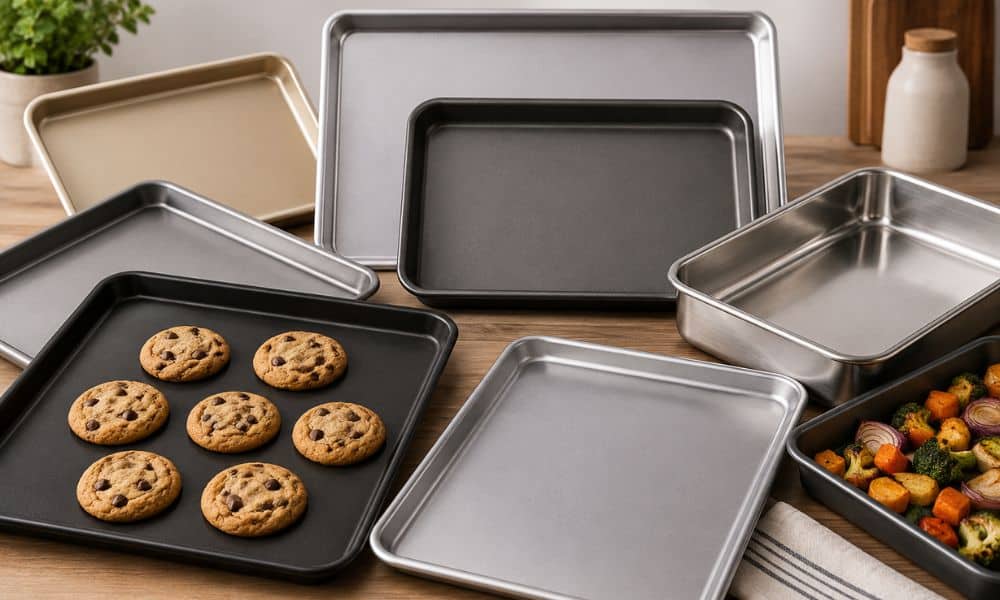
Choosing the right baking tray can make a bigger difference than many people realize. The tray you use affects how evenly food cooks, how easily it releases, and even how much cleanup is required afterward. If you have ever ended up with burnt cookies, soggy vegetables, or unevenly baked food, the baking tray may have been part of the problem. Learning how to choose the right baking tray helps improve baking results and makes cooking more enjoyable. With so many sizes, materials, and coatings available, finding the best option can feel confusing at first. The good news is that once you understand the basics, selecting the perfect baking tray becomes much easier.
Why The Right Baking Tray Matters
Many people focus on ingredients and oven temperature while overlooking the baking tray itself. However, the tray acts as the cooking surface and directly affects heat transfer.
A high-quality baking tray distributes heat evenly. This helps prevent hot spots that can burn some parts of your food while leaving other areas undercooked.
The right tray also makes food release easier. Nobody enjoys scraping stuck cookies or roasted vegetables from a pan after cooking.
Choosing the correct baking tray can improve food texture, baking consistency, and overall cooking performance.
Understand The Different Baking Tray Materials
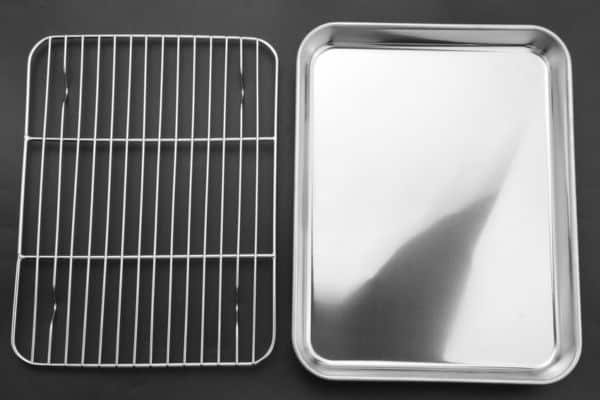
One of the most important factors when learning how to choose the right baking tray is understanding materials.
Aluminum Baking Trays
Aluminum is one of the most popular baking tray materials. It heats quickly and distributes heat evenly across the surface.
Many professional bakers prefer aluminum trays because they help create consistent baking results. Cookies, pastries, and roasted vegetables often cook beautifully on aluminum.
However, aluminum trays may stain or discolor over time, especially when exposed to acidic foods.
Stainless Steel Baking Trays
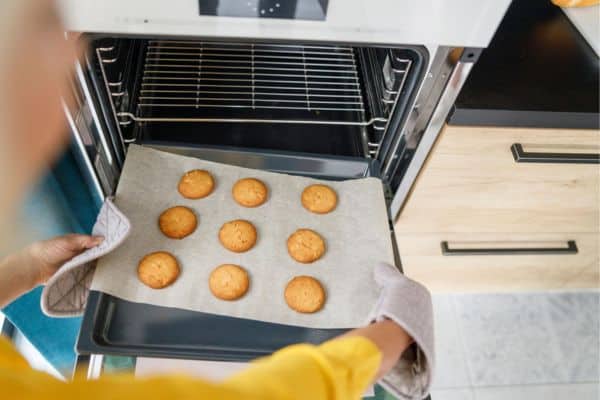
Stainless steel trays are highly durable and resistant to rust.
They are often easier to maintain than aluminum and can last for many years with proper care.
The downside is that stainless steel does not conduct heat as efficiently as aluminum. This may result in slightly longer cooking times.
Non-Stick Baking Trays
Non-stick trays feature a special coating that helps food release easily.
These trays are excellent for beginners because they reduce sticking and simplify cleanup.
However, non-stick coatings can wear out over time if metal utensils or abrasive cleaners are used.
Consider The Baking Tray Size
Size matters when selecting a baking tray.
A tray that is too small may crowd food and prevent proper airflow. This can cause uneven cooking.
A tray that is too large may not fit properly inside your oven.
Before buying a baking tray, measure your oven rack dimensions. This simple step can prevent frustration later.
For most home kitchens, half-sheet baking trays offer a good balance between cooking capacity and convenience.
Match The Tray To What You Bake
Different foods often perform best on different baking trays.
If you regularly bake cookies, a light-colored aluminum baking tray is usually an excellent choice.
For roasting vegetables, a sturdy tray with slightly raised edges works well because it helps contain juices and oils.
When baking pastries or delicate items, non-stick trays can make food removal much easier.
Think about the foods you cook most often before making your final decision.
Pay Attention To Tray Thickness
Many shoppers overlook tray thickness.
Thin trays may seem attractive because they are lightweight and inexpensive. However, they often warp under high oven temperatures.
Warping can cause food to cook unevenly and may shorten the tray’s lifespan.
Thicker baking trays generally provide better heat stability and durability.
Although they cost slightly more, they often save money over time because they last longer.
Light-Colored Vs Dark-Colored Baking Trays
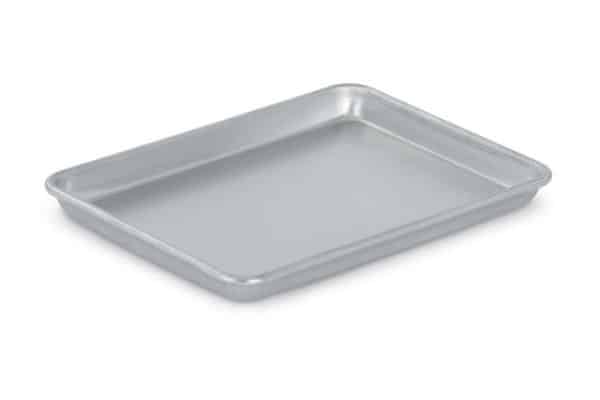
Color affects baking performance more than most people expect.
Light-colored trays reflect heat and promote even baking. They are especially popular for cookies and cakes.
Dark-colored trays absorb more heat. This can speed up browning but may also increase the risk of overcooking.
If you primarily bake cookies, biscuits, and pastries, light-colored trays are often the safer choice.
For foods that benefit from extra browning, dark trays may work well.
Check The Edge Design
The edges of a baking tray influence both usability and cooking results.
Flat baking sheets with very low edges allow better air circulation around cookies and pastries.
Raised-edge baking trays help contain liquids, oils, and food juices.
If you frequently roast vegetables, chicken, or potatoes, a tray with raised sides is usually more practical.
For cookies and baked goods, flatter designs often provide easier food removal.
Look For Warp Resistance
One common complaint among home cooks is warped baking trays.
When exposed to high temperatures, low-quality trays may bend or twist.
This not only affects cooking performance but can also shorten the life of the tray.
Look for trays specifically marketed as heavy-duty or warp-resistant.
Reinforced rims and thicker metal construction often help prevent warping.
Think About Cleaning And Maintenance
A baking tray should not only cook well but also be easy to maintain.
Some trays require special care to preserve their finish.
Non-stick trays should be cleaned gently using soft sponges.
Stainless steel trays can often handle more aggressive cleaning methods.
If easy maintenance is a top priority, choose a baking tray that fits your cleaning preferences.
The easier a tray is to clean, the more likely you are to enjoy using it regularly.
Consider Long-Term Durability
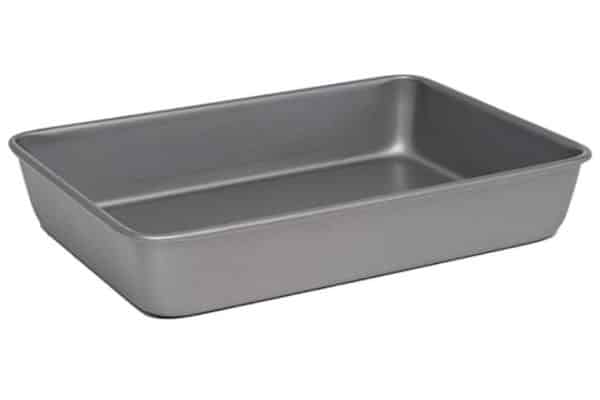
A cheap baking tray may seem like a bargain initially.
However, lower-quality trays often warp, scratch, or wear out quickly.
Investing in a durable baking tray usually delivers better value over time.
Quality trays can remain functional for years, even with frequent use.
When comparing options, consider durability rather than focusing only on price. Looking for more baking tray advice? Read our guide on Baking Sheet Vs Baking Tray to understand the key differences and choose the best option for your baking needs.
Common Mistakes When Choosing A Baking Tray
Many people buy the first baking tray they see without considering how they plan to use it.
One common mistake is choosing a tray that is too thin.
Another mistake is selecting a tray that does not fit inside the oven properly.
Some buyers also focus entirely on price and ignore material quality.
Taking a few extra minutes to evaluate size, thickness, and material can prevent these problems.
Features Worth Looking For
When shopping for a baking tray, several features can improve your experience.
Heavy-duty construction helps prevent warping.
Rolled edges increase structural strength.
Non-stick coatings simplify cleanup.
Even heat distribution promotes consistent cooking.
Rust resistance improves longevity.
These features often make a noticeable difference in everyday baking and cooking.
Best Baking Tray Choice For Most Home Cooks
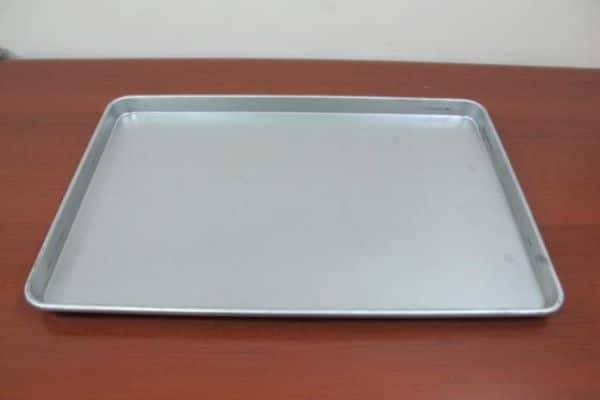
For many households, a heavy-gauge aluminum baking tray offers the best overall performance.
It heats evenly, works well for a wide variety of foods, and provides reliable results.
A tray with reinforced edges and a durable finish can handle years of regular use.
Adding a non-stick liner or parchment paper can further improve performance and make cleanup easier.
This combination works well for cookies, roasted vegetables, frozen foods, and many other recipes.
Final Thoughts
Understanding how to choose the right baking tray helps improve cooking results and reduces frustration in the kitchen. The best baking tray depends on what you cook, how often you use it, and your personal preferences.
Pay attention to material, size, thickness, color, and durability when making your decision. A quality baking tray can last for years and help you achieve better baking results every time you use your oven.
Instead of choosing the cheapest option available, focus on finding a tray that matches your cooking needs. The right baking tray is a simple investment that can make every baking session easier, cleaner, and more successful.
