

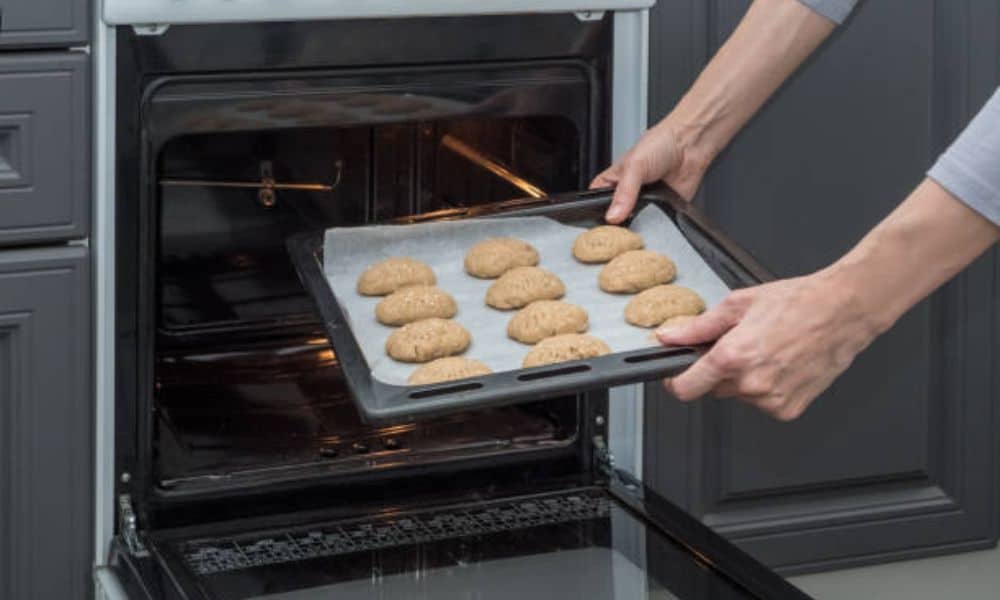
Why Do Baking Trays Warp In The Oven is a common question many home bakers ask after hearing a sudden loud pop during cooking. Baking trays usually warp because metal expands unevenly under high heat. Thin pans react faster to temperature changes, causing the tray to bend or twist temporarily inside the oven.
Warping often happens during high-temperature baking, roasting, or broiling. Lightweight baking sheets, sudden heat changes, and uneven food placement can all increase the problem. Understanding what causes baking trays to warp helps improve baking performance and prevents long-term damage to kitchen equipment.
What Causes Baking Trays To Warp?
The main reason baking trays warp is rapid temperature change. Metal naturally expands as it heats. Some parts of the tray become hotter faster than other areas. This uneven heating creates stress across the surface.
Thin metal trays are especially vulnerable. Lightweight materials do not distribute heat evenly. One corner may become extremely hot while another section stays cooler. The pressure forces the tray to flex suddenly.
Cheap baking trays also warp more often because they use thinner aluminum or low-quality steel. Better trays usually contain thicker metal that resists sudden expansion.
Why The Oven Temperature Matters
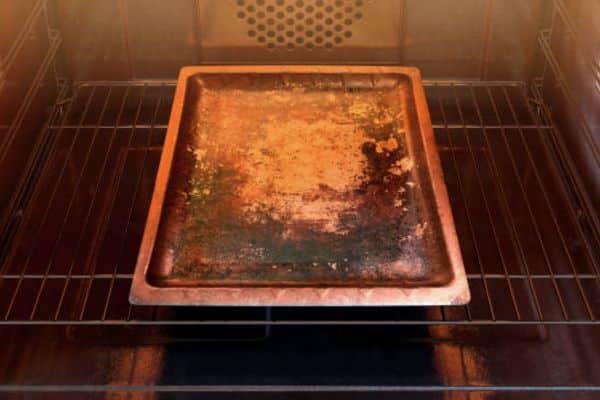
High oven temperatures increase the chance of warping. Baking trays placed inside ovens above 400°F experience faster metal expansion. Broiling temperatures create even more stress on the tray surface.
Many people notice warping while roasting vegetables or baking pizza because those recipes use intense heat. The tray expands quickly as hot air circulates around it.
Preheating also plays a role. A cold tray placed into a fully heated oven experiences a dramatic temperature shock. The metal reacts immediately and may bend with a loud pop.
Thin Baking Trays Warp More Easily
Thin baking trays remain one of the biggest causes of warping problems. Lightweight pans heat quickly, but they also lose structural stability under high temperatures.
Budget trays often use very thin aluminum sheets. These pans feel flexible even before entering the oven. Once exposed to heat, the metal expands unevenly and twists easily.
Heavier trays resist bending because thick metal spreads heat more consistently. Commercial baking sheets usually stay flatter because they contain reinforced construction and durable materials.
Aluminum Baking Trays And Warping
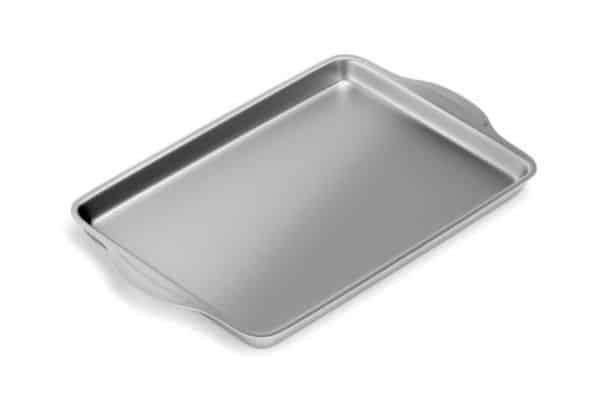
Aluminum baking trays are extremely popular because they heat evenly and bake food efficiently. However, aluminum expands quickly under heat. Thin aluminum trays therefore warp more often than heavier steel pans.
Many home bakers still prefer aluminum because it creates better browning and crispier textures. The key is choosing thick-gauge aluminum instead of lightweight versions.
Professional kitchens often use heavy aluminum sheet pans because thicker aluminum balances excellent heat performance with improved durability.
Stainless Steel Baking Trays
Stainless steel trays resist corrosion and last longer than many aluminum pans. However, stainless steel does not conduct heat as evenly. Uneven heating sometimes creates hot spots that contribute to warping.
Pure stainless steel trays may also take longer to heat fully. Some manufacturers combine stainless steel with aluminum cores to improve heat distribution and reduce bending problems.
Good stainless steel trays usually feel heavier and sturdier than cheap lightweight options.
Why Baking Tray Corners Bend First
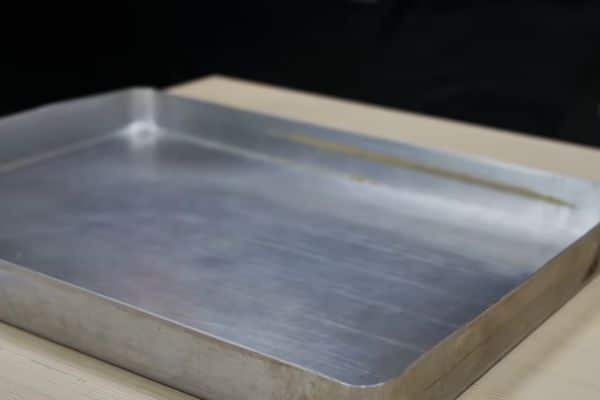
Warping often starts near the corners of the baking tray. Corners heat differently because they receive direct airflow from multiple angles inside the oven.
The edges of the tray expand faster than the center. This uneven pressure causes corners to lift or twist first. Rimmed baking sheets sometimes resist warping better because the raised edges strengthen the structure slightly.
Flat cookie sheets without reinforced rims usually bend more easily during high-temperature cooking.
Sudden Temperature Changes Make Warping Worse
Extreme temperature shifts create major stress on baking trays. A hot tray moved directly onto a cold countertop or placed under cold water may warp instantly.
Thermal shock forces the metal to contract unevenly. One area cools faster than another, causing distortion across the tray.
Allowing trays to cool naturally helps reduce long-term damage. Gentle cooling protects the metal structure and prevents permanent bending.
Overloading The Baking Tray
Heavy food loads can increase the risk of warping. Large amounts of food create uneven weight distribution while the tray heats.
Grease and liquids may also collect on one side of the tray. That uneven heat and weight combination increases pressure during expansion.
Large cuts of meat, frozen foods, or overloaded vegetables sometimes cause lightweight trays to flex dramatically inside the oven.
Non-Stick Baking Trays And Heat Problems
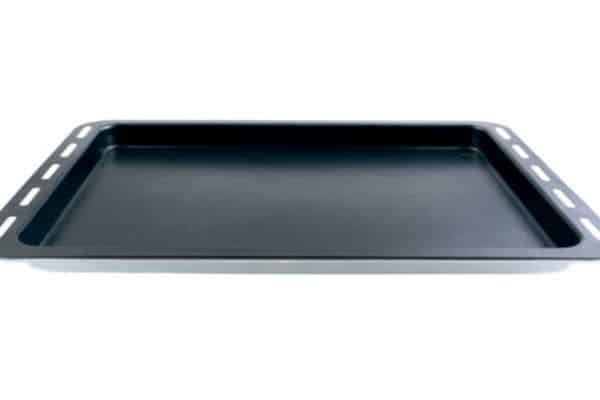
Non-stick baking trays often contain thinner metal beneath the coating. Manufacturers design many non-stick pans for convenience and affordability rather than extreme heat durability.
High temperatures can weaken both the tray structure and the coating itself. Some non-stick trays even recommend staying below certain temperature limits.
Repeated warping may eventually damage the coating surface and shorten the tray lifespan.
How To Prevent Baking Trays From Warping
Choosing thicker trays is one of the best ways to reduce warping problems. Heavy-duty baking sheets distribute heat more evenly and resist sudden bending.
Several helpful habits also reduce tray stress:
Avoid Extremely High Heat
Very high temperatures place extra pressure on the metal. Lower cooking temperatures often reduce sudden expansion.
Let Trays Heat Gradually
Placing trays into the oven during preheating helps reduce thermal shock. Gradual heating allows the metal to expand more evenly.
Do Not Use Cold Water On Hot Trays
Cooling trays naturally prevents sudden contraction stress. Hot pans should never go directly into cold sinks.
Rotate Food Carefully
Uneven food placement creates uneven heating. Spreading food evenly across the tray helps maintain balance.
Are Warped Baking Trays Dangerous?
Most warped trays are not dangerous. Temporary bending during cooking is very common. Many trays flatten again after cooling completely.
However, severely warped trays may cook food unevenly. Oil and grease can slide toward one side, causing inconsistent baking results.
Permanent warping may also weaken the tray over time. Cracks or sharp edges can eventually develop in badly damaged pans.
Replacing heavily warped trays usually improves cooking performance and safety.
Signs A Baking Tray Needs Replacement
Some trays continue working well despite minor warping. Others eventually become difficult to use properly.
Common signs that replacement may be necessary include:
- Permanent twisting after cooling
- Uneven cooking results
- Peeling non-stick coating
- Deep discoloration
- Sharp bent edges
- Severe wobbling on flat surfaces
High-quality baking trays typically last much longer under repeated heat exposure.
Best Types Of Baking Trays To Reduce Warping
Heavy-gauge aluminum baking sheets remain one of the best choices for preventing warping. Thick aluminum combines excellent heat distribution with stronger structural stability.
Commercial-grade sheet pans also perform extremely well for high-temperature baking. Reinforced rims provide additional strength against bending.
Carbon steel trays offer another durable option. These pans heat efficiently while resisting sudden shape changes better than many lightweight trays.
Why Professional Bakers Use Heavy Sheet Pans
Professional kitchens rely on durable baking trays because ovens run constantly at high temperatures. Thin consumer trays would warp quickly under daily commercial use.
Restaurant-grade sheet pans use thick reinforced metal that tolerates repeated expansion and contraction. These trays cost more initially but often last many years longer.
Serious home bakers frequently upgrade to commercial-style baking sheets for better consistency and durability.
Does Warping Affect Baking Performance?
Minor temporary warping usually does not ruin food. Many trays bend slightly during heating and return to shape later without causing major issues.
Severe warping can affect cooking results though. Oil may pool unevenly, causing food to brown inconsistently. Cookies may spread unevenly, and roasted vegetables may cook differently across the tray.
Flat, stable baking surfaces generally produce better and more predictable results.
Final Thoughts
Understanding why do baking trays warp in the oven helps reduce frustration during cooking. Most warping happens because metal expands unevenly under intense heat. Thin trays react faster and bend more easily than heavy-duty pans.
Using thicker baking sheets, avoiding sudden temperature changes, and choosing quality materials can greatly reduce warping problems. Heavy-gauge aluminum and commercial-grade trays usually provide the best long-term performance for regular baking.
A small investment in better baking trays often leads to more even cooking, quieter ovens, and longer-lasting kitchen equipment.
