

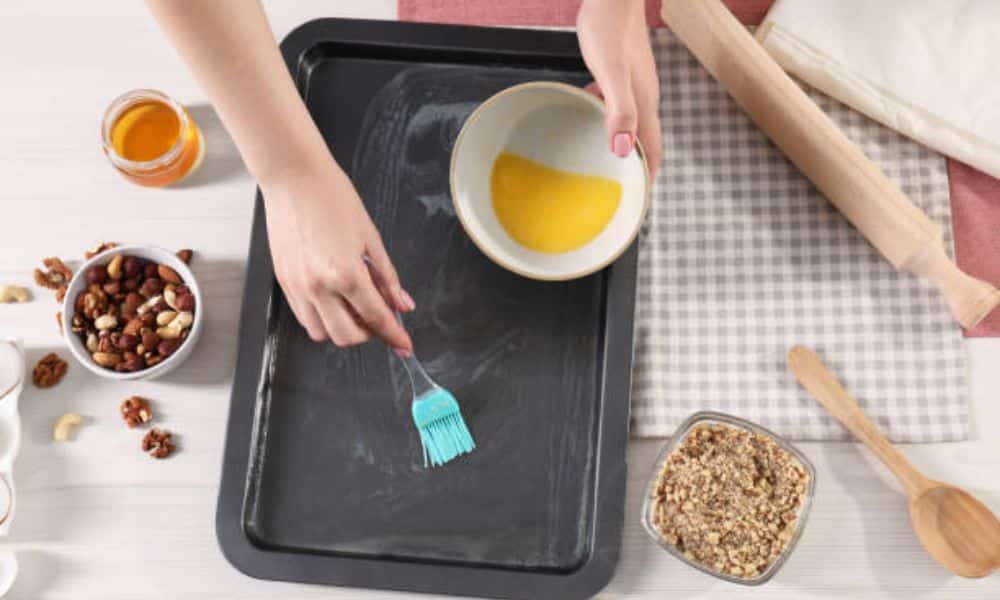
Many home bakers often ask, Do Silicone Baking Trays Need Greasing before baking cakes, muffins, brownies, or cookies. Silicone bakeware is known for its flexible and naturally non stick surface, which helps food release more easily than traditional metal trays. However, some recipes may still benefit from light greasing depending on the ingredients and baking method. Understanding how silicone baking trays work can help improve baking results, reduce sticking problems, and make cleanup much easier in the kitchen.
What Are Silicone Baking Trays?
Silicone baking trays are flexible bakeware products made from food-grade silicone rubber. They are designed to handle both high and low temperatures safely. Many people use silicone trays because they are easier to store, easier to clean, and often reduce the need for disposable baking paper.
Silicone trays are commonly used for:
- Muffins
- Cupcakes
- Brownies
- Bread
- Frozen desserts
- Chocolate molds
- Mini cakes
Unlike metal trays, silicone does not rust or corrode over time.
Do Silicone Baking Trays Need Greasing?
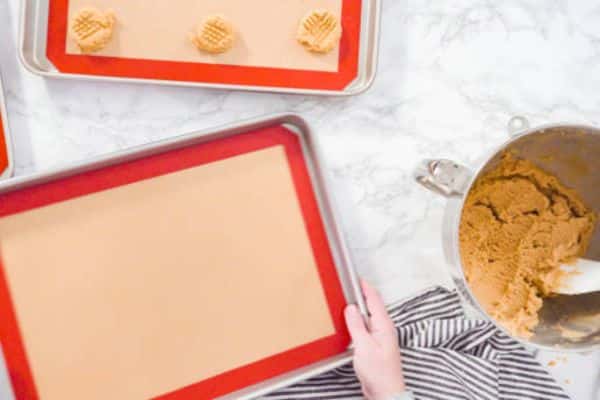
In many cases, silicone baking trays do not need greasing because the surface is naturally non stick. Most baked foods release easily after cooling for a few minutes.
However, lightly greasing the tray may still help improve results for certain recipes. Some foods contain less fat or sugar, which may increase the chance of sticking. Delicate baked goods can also break apart more easily when removed from ungreased silicone trays.
Many bakers lightly grease silicone trays during the first few uses to help create smoother food release.
Why Silicone Bakeware Is Non Stick
Food-grade silicone has a naturally smooth and flexible surface. This flexibility allows baked foods to pop out more easily compared to rigid metal trays.
The non stick properties work well because:
- Silicone resists moisture absorption
- The surface stays flexible
- Food releases more easily after cooling
- Oils and fats do not bond strongly to silicone
This is why many people choose silicone trays for sticky foods like brownies or muffins.
When Greasing Silicone Trays Helps
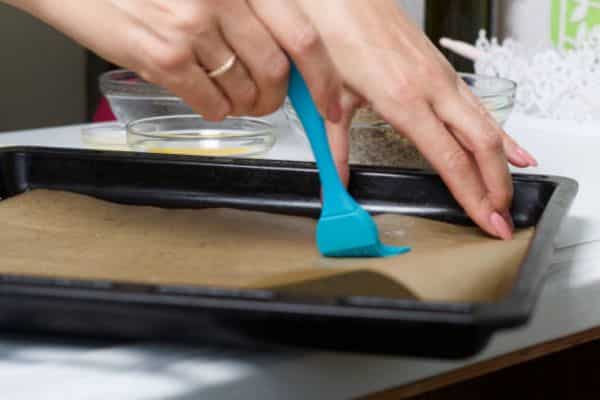
Although silicone trays are non stick, there are times when greasing still improves baking performance.
Low Fat Recipes
Low fat recipes sometimes stick more because they contain less oil or butter. Fat naturally helps baked goods separate from the tray.
Recipes that may benefit from greasing include:
- Low fat cakes
- Egg white recipes
- Protein desserts
- Sugar-free baking
A thin layer of oil or butter may help prevent sticking.
Detailed Molds
Silicone molds with detailed patterns or shapes may trap food inside small corners. Light greasing helps preserve the shape when removing baked items.
This is especially useful for:
- Decorative cakes
- Holiday molds
- Chocolate molds
- Shaped desserts
Sticky Ingredients
Recipes with caramel, melted cheese, or sticky sugars may cling slightly to silicone surfaces.
Greasing may help with:
- Sticky brownies
- Caramel desserts
- Cheese-based dishes
- Toffee recipes
Best Ways To Grease Silicone Baking Trays
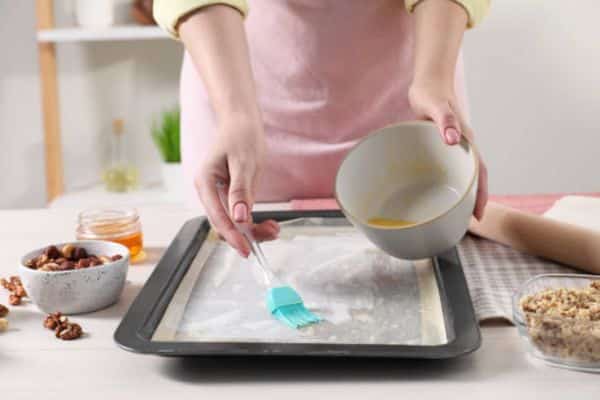
Using too much grease may create oily baked goods. A thin layer usually works best.
Common greasing options include:
- Butter
- Vegetable oil
- Olive oil spray
- Baking spray
- Coconut oil
Many bakers use a pastry brush or paper towel to spread a light coating evenly across the tray.
Do You Need Flour After Greasing?
For most silicone trays, flour is not necessary after greasing. Silicone already releases food more easily than metal pans.
However, some bakers still dust flour lightly when making:
- Sponge cakes
- Bundt cakes
- Delicate pastries
Flour may help create even cleaner release for soft baked goods.
How Silicone Trays Affect Baking
Silicone bakeware transfers heat differently than metal trays. It heats more slowly and evenly, which may slightly affect cooking times and browning.
Some people notice:
- Softer crusts
- Lighter browning
- Longer bake times
- More even cooking
Many bakers place silicone trays on top of a metal baking sheet for better support and improved heat distribution.
Common Mistakes With Silicone Bakeware
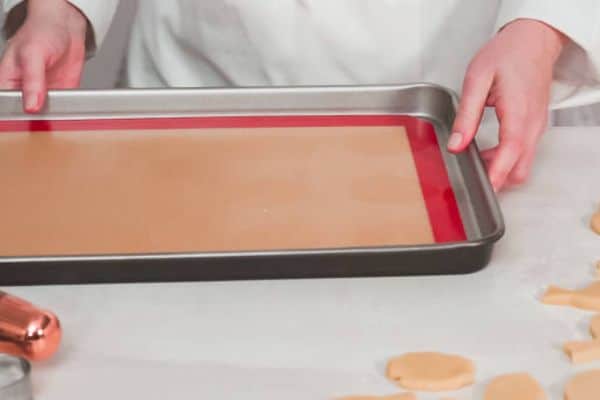
Some baking problems happen because silicone trays are used incorrectly.
Overfilling The Tray
Silicone is flexible, so overfilled trays may spill when moved into the oven.
Using a baking sheet underneath helps stabilize the tray.
Removing Food Too Early
Hot baked goods are softer and may break apart easily. Letting food cool for several minutes often improves release.
Using Sharp Utensils
Sharp knives or metal tools may damage silicone surfaces over time.
Wooden or silicone utensils are usually safer choices.
Buying Low Quality Silicone
Cheap silicone products may contain fillers or poor-quality materials. Food-grade silicone from trusted brands usually performs better and lasts longer.
Are Silicone Baking Trays Safe?
Food-grade silicone baking trays are generally considered safe for oven use when used correctly. Most quality silicone trays can handle temperatures between 400°F and 500°F depending on the manufacturer.
Many people prefer silicone because it:
- Does not rust
- Is reusable
- Produces less waste
- Cleans easily
Checking temperature guidelines from the manufacturer is always important before baking.
How To Clean Silicone Baking Trays
Silicone trays are usually easy to clean because food releases more easily from the surface.
Cleaning tips include:
- Wash with warm soapy water
- Avoid abrasive scrubbers
- Soak stubborn residue
- Dry completely before storage
Some silicone trays may absorb grease over time. A mixture of baking soda and warm water may help remove oily buildup.
Advantages Of Silicone Baking Trays
Silicone bakeware has become popular for many reasons.
Flexible Design
The flexibility makes food removal easier without damaging delicate baked goods.
Easy Storage
Silicone trays can often bend or fold slightly, saving kitchen space.
Reusable Material
Unlike disposable baking liners, silicone trays can be reused many times.
Easy Cleanup
Most silicone trays wash quickly by hand and many are dishwasher safe.
Disadvantages Of Silicone Bakeware
Despite the benefits, silicone trays are not perfect for every recipe.
Possible disadvantages include:
- Less browning
- Flexible structure
- Longer bake times
- Lower crispness
Some bakers still prefer metal trays for recipes requiring crispy edges or deep browning.
Tips For Better Baking Results
A few simple habits may improve results when using silicone bakeware.
Helpful tips include:
- Place trays on metal baking sheets
- Allow baked goods to cool slightly
- Grease lightly for sticky recipes
- Avoid overfilling molds
- Follow manufacturer temperature limits
Testing different methods may help determine what works best for specific recipes.
Should Beginners Use Silicone Bakeware?
Many beginners enjoy silicone bakeware because it feels easier to use and clean. Muffins, cupcakes, and brownies often release well with little effort.
The flexible design may take practice at first, but many home bakers appreciate the convenience after learning proper handling techniques.
Final Thoughts
So, do silicone baking trays need greasing? In many cases, the answer is no because silicone surfaces are naturally non stick. However, lightly greasing the tray may still improve food release for low fat recipes, sticky desserts, or detailed molds.
Silicone bakeware offers easy cleanup, flexibility, and reusable convenience for everyday baking. Understanding when greasing helps and how silicone affects baking performance can lead to better cooking results and fewer kitchen frustrations.
