

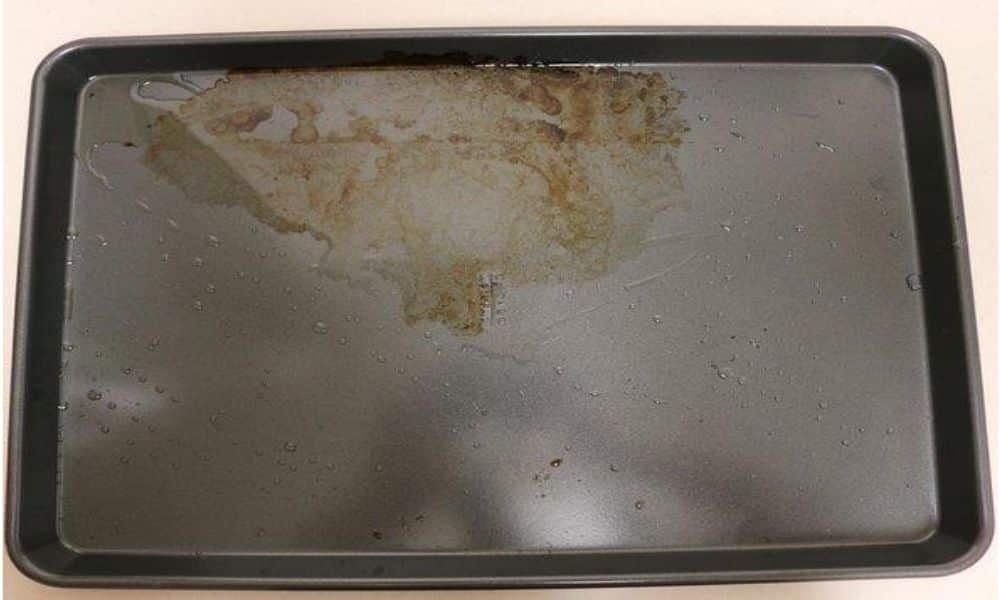
Food sticking to a baking tray is one of the most frustrating problems in the kitchen. Whether baking cookies, roasting vegetables, or cooking meat, food that sticks can ruin the appearance of a dish and make cleanup difficult. Many people wonder, why does food stick to baking tray surfaces even when they seem clean and well-maintained.
The good news is that food sticking usually happens for specific reasons. Once those causes are understood, it becomes much easier to prevent the problem and enjoy better baking results every time.
Why Does Food Stick To Baking Tray?
The main reason food sticks to a baking tray is direct contact between the food and the tray surface. When heat is applied, proteins, sugars, and starches in food can bond to the metal surface.
As moisture evaporates during cooking, food becomes more likely to attach itself to the tray. High temperatures can make this problem even worse.
The condition of the tray also plays a major role. Scratched, damaged, or poorly maintained trays tend to cause more sticking than trays with smooth surfaces.
Lack Of Grease Or Oil
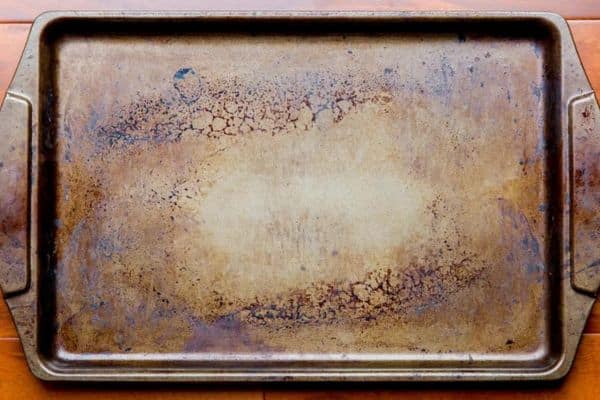
One of the most common reasons food sticks is insufficient grease.
Oil creates a protective barrier between the food and the tray. Without that barrier, food can easily bond to the metal as it cooks.
Even foods that naturally contain fat may still benefit from a light coating of oil. A small amount can significantly reduce sticking and improve food release after cooking.
For baking cookies, pastries, and bread, butter or baking spray can often work just as well.
Using The Wrong Type Of Baking Tray
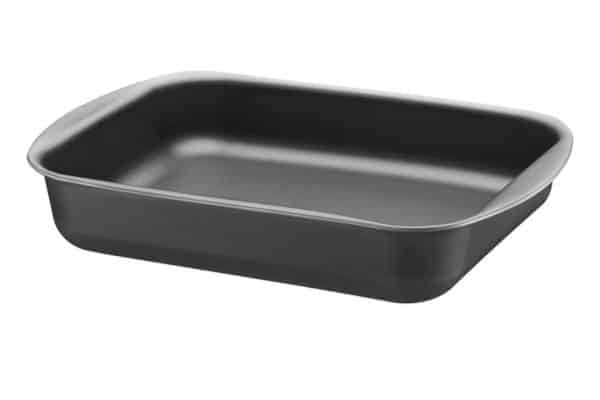
Not all baking trays perform the same way.
Cheap trays often have thin metal construction that heats unevenly. Uneven heating can create hot spots that cause food to burn and stick.
Non-stick baking trays are designed to reduce sticking, while untreated aluminum trays may require additional preparation before use.
Heavy-duty trays usually provide more consistent heat distribution and better cooking results.
Choosing the right tray can make a noticeable difference in food release and overall baking performance.
Damaged Non-Stick Coating
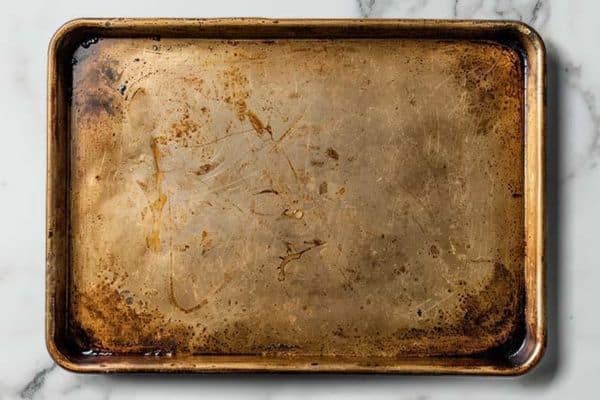
Many baking trays come with a non-stick coating. Over time, that coating can wear down.
Using metal utensils, abrasive scrubbers, or harsh cleaning products can scratch the surface. Once the coating becomes damaged, food begins sticking more frequently.
Small scratches may not seem important, but they can significantly reduce the tray’s effectiveness.
If a non-stick tray has extensive damage, replacement is often the best solution.
Cooking At Excessively High Temperatures
Very high temperatures can increase sticking problems.
When sugars caramelize or burn, they become much more likely to bond with the tray surface. Foods containing honey, barbecue sauce, maple syrup, or sugar-based glazes are especially prone to sticking.
Following recommended cooking temperatures can help prevent this issue.
If a recipe requires high heat, using parchment paper may provide additional protection.
Food Contains Natural Sugars
Certain foods naturally stick more than others.
Vegetables like sweet potatoes, carrots, and onions contain sugars that caramelize during cooking. Fruits and baked goods often contain even higher sugar levels.
As those sugars heat up, they become sticky and can attach firmly to the baking tray.
This is completely normal and does not necessarily indicate a problem with the tray itself.
Using parchment paper can greatly reduce sticking when cooking sugary foods.
Moisture Evaporation During Baking
Moisture plays an important role during cooking.
When food first goes into the oven, moisture creates a slight barrier between the food and the tray. As cooking continues, that moisture gradually evaporates.
Once the surface dries out, direct contact between the food and tray increases. This can lead to sticking, especially toward the end of the cooking process.
Monitoring cooking times carefully can help prevent foods from becoming overly dry and difficult to remove.
Residue Build-Up On The Tray
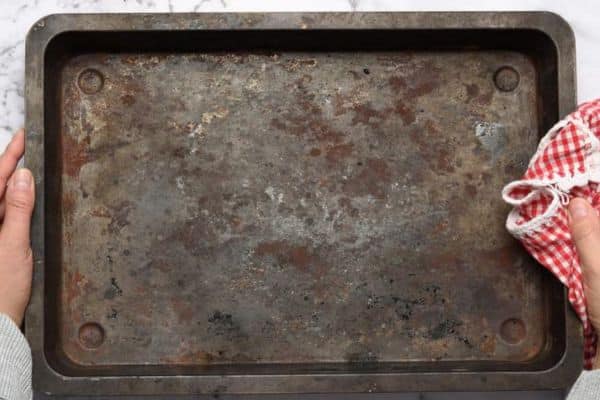
Old grease and carbon buildup can contribute to sticking.
Even after washing, some trays develop layers of baked-on residue. These rough spots create areas where food can easily attach.
Many people assume seasoning or discoloration is harmless, but heavy residue can negatively affect cooking performance.
Regular deep cleaning helps maintain a smoother cooking surface and reduces sticking issues.
The Tray Is Not Properly Preheated
Some foods benefit from being placed on a preheated baking tray.
When food is placed on a cold tray, it may sit longer before cooking begins. This can sometimes encourage sticking.
Roasted vegetables often cook more effectively when placed on a hot tray.
However, delicate baked goods such as cookies usually perform better on room-temperature trays.
Understanding the needs of different foods can improve results.
Lack Of Parchment Paper Or Silicone Mats
Parchment paper and silicone baking mats are among the easiest ways to prevent sticking.
These tools create a physical barrier between the food and the baking tray.
Many professional bakers use parchment paper because it reduces cleanup and improves consistency.
Silicone mats are reusable and provide excellent non-stick performance for many types of baked goods.
Using either option can significantly reduce sticking problems. If food frequently sticks during baking, learning How To Stop Food Sticking To Baking Tray can help improve cooking results and make cleanup much easier.
How To Prevent Food From Sticking To A Baking Tray
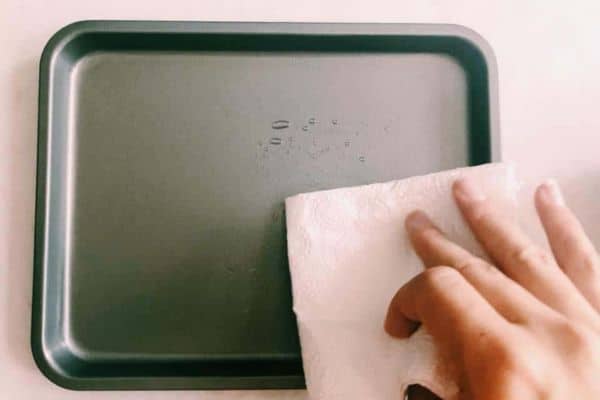
Preventing sticking is usually simple when the right techniques are used.
Start by cleaning the tray thoroughly before each use. Remove grease, residue, and burnt food particles.
Apply a light coating of oil, butter, or cooking spray when appropriate.
Use parchment paper for cookies, pastries, and sugary foods.
Avoid cooking at temperatures higher than recommended.
Replace damaged non-stick trays when necessary.
Following these basic steps can dramatically improve baking results.
Best Foods To Cook With Parchment Paper
Some foods benefit especially from parchment paper.
Cookies often release more easily and bake more evenly.
Roasted vegetables with natural sugars tend to stick less.
Sticky marinades and glazed meats become easier to remove after cooking.
Homemade bread and pastries also benefit from a non-stick surface.
Keeping parchment paper available in the kitchen can solve many common baking tray problems.
Signs You Need A New Baking Tray
Sometimes sticking occurs because the tray has simply reached the end of its lifespan.
Warped trays often heat unevenly and contribute to sticking.
Peeling non-stick coatings can create serious cooking problems.
Deep scratches and heavy carbon buildup may also affect performance.
If food continues sticking despite proper preparation, investing in a new baking tray may be worthwhile.
A quality tray can last many years when properly maintained.
Frequently Asked Questions
Why does food stick to baking tray even with oil?
Insufficient oil, damaged tray surfaces, or very high cooking temperatures can still cause sticking despite lubrication.
Is parchment paper better than greasing a baking tray?
For many foods, parchment paper provides more reliable non-stick performance and easier cleanup.
Why do cookies stick to baking trays?
Cookies often stick because of melted sugar, inadequate greasing, or worn non-stick coatings.
Can a scratched baking tray cause sticking?
Yes. Scratches create rough surfaces where food can attach more easily during cooking.
Conclusion
Understanding why does food stick to baking tray surfaces can help prevent frustration in the kitchen. Common causes include insufficient grease, damaged non-stick coatings, high temperatures, sugar caramelization, moisture loss, and residue buildup.
Fortunately, most sticking problems can be solved with proper tray maintenance, careful cooking techniques, and the use of parchment paper or silicone baking mats. By taking a few simple precautions, food can release more easily, cleanup becomes faster, and baking results improve significantly.
