

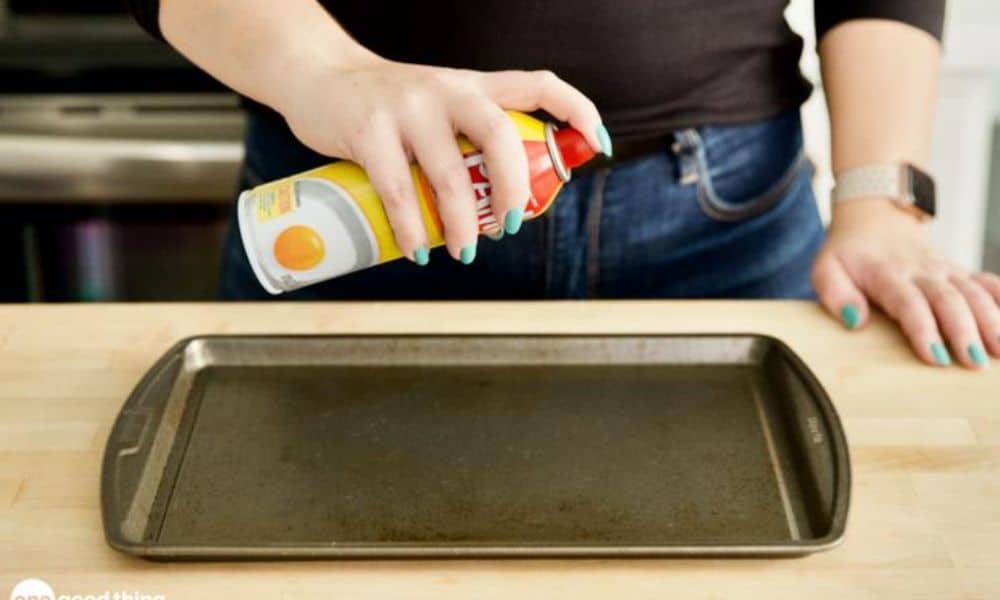
Cookies should come out of the oven with a golden color, soft center, and crisp edges. However, many home bakers face one common problem. The cookies stick to the tray and break apart when removed. Learning how to grease baking tray for cookies properly can prevent this issue and help create perfect cookies every time.
Greasing a baking tray may seem simple, but using the wrong method can affect how cookies spread, bake, and release from the surface. This guide explains the best ways to prepare a baking tray for cookies and avoid common mistakes.
Why Greasing A Baking Tray Matters
A baking tray gets very hot during baking. As cookie dough cooks, sugars melt and can stick to the metal surface. Without proper greasing, cookies may tear, crumble, or leave burnt residue behind.
Greasing creates a thin barrier between the dough and the tray. This barrier helps cookies release easily while keeping their shape intact.
A properly prepared tray also makes cleanup much easier after baking.
Do All Baking Trays Need Greasing?
Not every baking tray requires grease. The answer depends on the tray material and whether additional liners are used.
For example:
- Aluminum trays often benefit from light greasing.
- Stainless steel trays usually need grease or parchment paper.
- Non-stick trays may require little or no grease.
- Trays lined with parchment paper generally do not need additional oil.
Always check the manufacturer’s instructions if using a specialty baking tray.
Best Ways To Grease A Baking Tray For Cookies
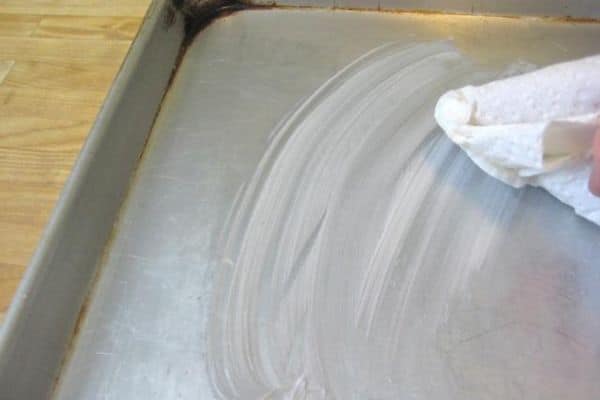
Several methods work well when preparing a baking tray for cookies.
Butter
Butter is one of the most popular choices.
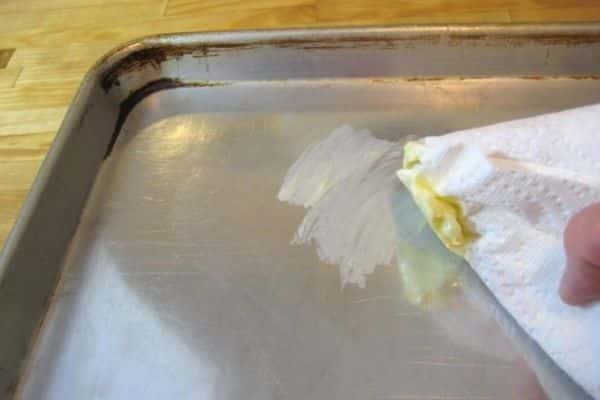
Simply rub a thin layer of softened butter across the tray using a paper towel or pastry brush.
Benefits include:
- Rich flavor
- Easy application
- Common kitchen ingredient
However, butter can brown quickly at high temperatures.
Vegetable Oil
Vegetable oil creates a smooth non-stick surface.
Apply a small amount to a paper towel and spread it evenly across the tray.
Advantages include:
- Neutral flavor
- Even coating
- Less risk of burning
Avoid using too much oil because excess grease can cause cookies to spread too much.
Cooking Spray
Cooking spray is one of the easiest options.
Hold the can several inches away and apply a light coating.
Benefits include:
- Quick application
- Even coverage
- Convenient for large batches
A light spray is usually enough.
Shortening
Shortening has a higher melting point than butter.
Many bakers prefer it because it creates a durable non-stick layer without adding flavor.
Use a thin coating for the best results.
How To Grease Baking Tray For Cookies Step By Step
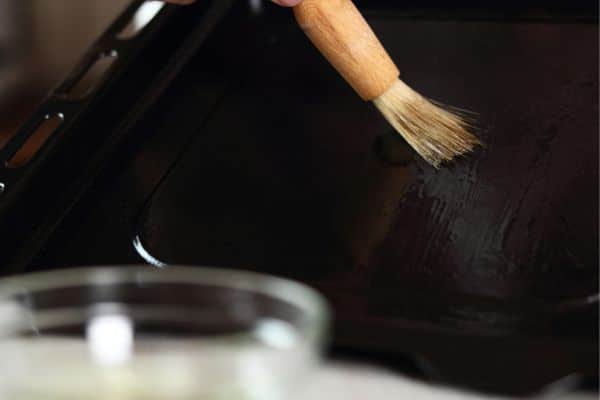
Following a simple process can improve baking results.
Step 1: Clean The Tray
Start with a clean tray.
Old grease, burnt sugar, and crumbs can cause uneven baking and sticking.
Wash the tray thoroughly and dry it completely before greasing.
Step 2: Apply A Thin Layer
Choose butter, oil, shortening, or cooking spray.
Spread a very thin layer across the entire baking surface.
The goal is to create a protective barrier, not leave puddles of grease.
Step 3: Remove Excess Grease
Use a clean paper towel to wipe away extra grease.
Too much grease can affect cookie texture and cause excessive spreading.
Step 4: Add Dough
Place cookie dough portions evenly across the tray.
Leave enough space between cookies because they expand during baking.
Step 5: Bake As Directed
Bake according to the recipe instructions.
The greased surface should help cookies release easily after cooling.
Is Parchment Paper Better Than Greasing?
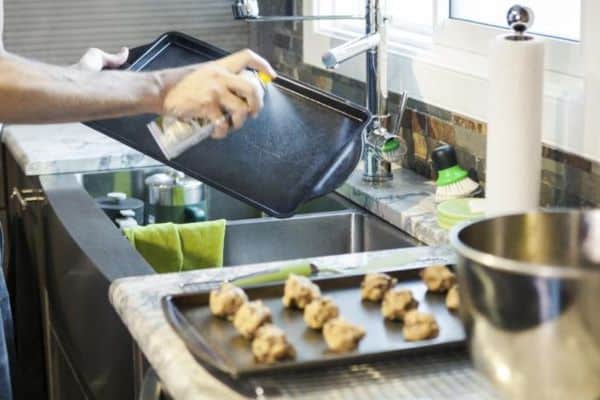
Many bakers prefer parchment paper over direct greasing.
Parchment paper offers several advantages:
- Prevents sticking
- Promotes even baking
- Reduces cleanup time
- Helps cookies maintain shape
When parchment paper is used, additional grease is usually unnecessary.
For frequent cookie baking, parchment paper is often the easiest solution.
Can You Use Aluminum Foil Instead?
Aluminum foil can be used in some situations, but it is not ideal for cookies.
Cookie dough often sticks directly to foil, especially if it is not greased.
If using foil:
- Grease the foil lightly
- Use non-stick foil if available
- Monitor baking carefully
Parchment paper remains the better choice for most cookie recipes.
Common Mistakes When Greasing Cookie Trays
Many baking problems come from simple preparation errors.
Using Too Much Grease
Excess grease causes cookies to spread more than intended.
The result can be thin, flat cookies with greasy bottoms.
A light coating is all that is needed.
Forgetting Tray Edges
Grease should cover the entire baking surface, including corners and edges.
This ensures consistent results across every cookie.
Using Burnt Grease
Old grease residue can create unpleasant flavors and sticking issues.
Always clean the tray before each use.
Greasing Non-Stick Trays Excessively
Non-stick trays already reduce sticking.
Adding too much grease may negatively affect cookie texture. Using a non-stick tray? Read Are Non Stick Baking Trays Safe before your next baking session.
Which Grease Works Best For Different Cookies?
Different cookie types may benefit from different methods.
Sugar Cookies
A light layer of butter or parchment paper works well.
These cookies need controlled spreading.
Chocolate Chip Cookies
Cooking spray or parchment paper helps create even baking and easy release.
Shortbread Cookies
Parchment paper is often preferred because it preserves delicate edges.
Peanut Butter Cookies
A lightly greased tray prevents sticking without altering texture.
How Long Should Cookies Cool Before Removal?
Many bakers try to remove cookies immediately after baking.
This can cause breakage.
Allow cookies to cool on the tray for about 5 minutes before transferring them to a cooling rack.
During this time, the cookies become firmer and release more easily.
Signs Your Tray Is Properly Greased
A correctly prepared tray usually produces these results:
- Cookies lift easily
- Minimal residue remains
- Even browning occurs
- Cookies keep their shape
- Cleanup is quick
If cookies still stick, consider switching to parchment paper or using a different grease.
How To Clean A Greased Baking Tray After Use
Proper cleaning helps maintain tray performance.
Allow the tray to cool completely.
Wash with warm water and dish soap.
For stubborn grease:
- Sprinkle baking soda on the surface
- Add warm water
- Let sit for 15 minutes
- Scrub gently with a soft sponge
Avoid harsh metal scrubbers that can damage tray coatings.
Frequently Asked Questions
Should I grease a non-stick baking tray for cookies?
Most non-stick trays require little or no grease. A light coating may help with very sticky cookie doughs.
Can I use olive oil to grease a baking tray?
Yes, but use a small amount. Olive oil can affect flavor slightly compared to neutral oils.
Is parchment paper better than greasing?
For most cookie recipes, parchment paper provides the easiest release and cleanup.
Why are my cookies still sticking?
The tray may not be properly greased, or the cookies may need more cooling time before removal.
Can too much grease ruin cookies?
Yes. Excess grease can cause cookies to spread too much and develop a greasy texture.
Final Thoughts
Knowing how to grease baking tray for cookies can make a big difference in baking success. A thin, even layer of butter, oil, shortening, or cooking spray helps prevent sticking and improves cookie release. For even better results, many bakers choose parchment paper because it reduces sticking and simplifies cleanup.
The key is to avoid over-greasing and always start with a clean tray. With the right preparation, cookies will bake evenly, release easily, and look as good as they taste.
