

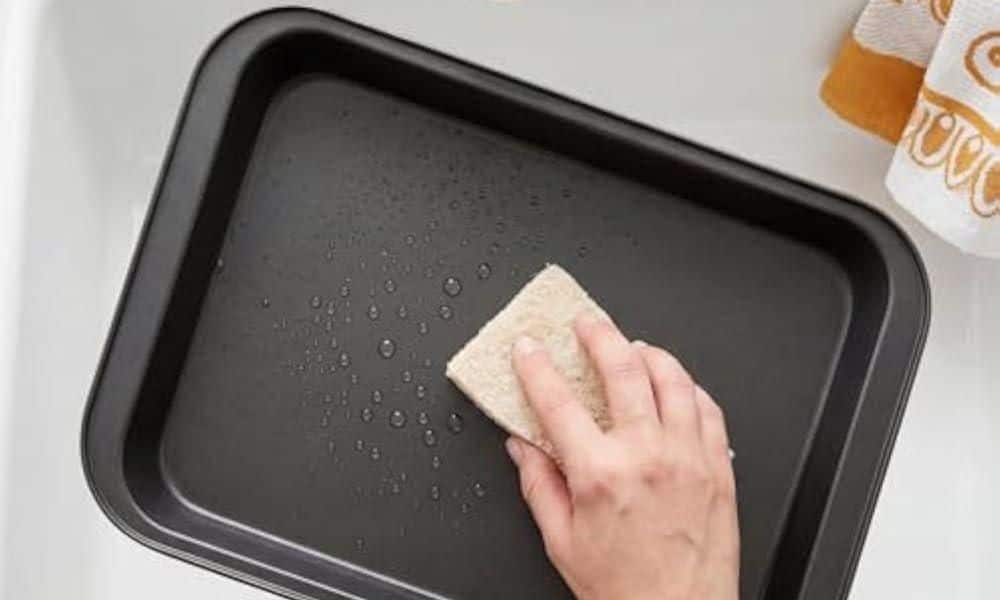
Non-stick baking trays are one of my favorite kitchen tools because they make baking easier and cleanup much faster. However, I learned the hard way that non-stick coatings can wear out if you do not care for them properly. A good baking tray can last for years, but only if you protect the surface from scratches, overheating, and harsh cleaning methods. If you have ever wondered how to protect non stick baking trays, this guide will help you keep them in excellent condition for a long time.
Why Protecting Non Stick Baking Trays Matters
A non-stick baking tray works because of its special coating. This coating prevents food from sticking and reduces the need for excess oil or butter. Once the coating becomes damaged, the tray loses its effectiveness.
Scratches, peeling, and discoloration are common signs of damage. When this happens, food starts sticking to the surface, making baking more difficult and cleanup more frustrating.
Protecting your baking trays not only saves money but also helps maintain consistent baking results. A well-maintained tray distributes heat evenly and keeps baked goods looking their best.
Avoid Using Metal Utensils
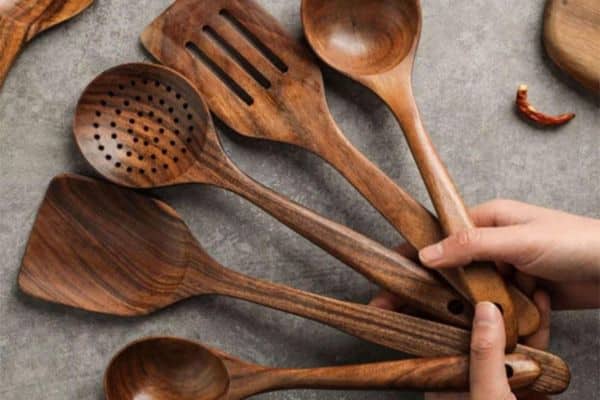
One of the biggest mistakes people make is using metal spatulas, forks, or knives on non-stick trays.
Metal tools can easily scratch the protective coating. Even small scratches can weaken the surface and lead to larger areas of damage over time.
Instead, use silicone, plastic, or wooden utensils whenever possible. These materials are much gentler and help preserve the non-stick layer.
I switched to silicone baking tools years ago, and my trays have stayed in much better condition since then.
Use Parchment Paper When Possible
Parchment paper is one of the easiest ways to protect non-stick baking trays.
It creates a barrier between food and the tray, reducing direct contact with oils, sugars, and acidic ingredients.
Sticky foods such as cookies, roasted vegetables with glaze, and baked desserts can leave residue behind. Parchment paper prevents this buildup and makes cleanup easier.
As a bonus, using parchment paper can help extend the life of your tray by reducing wear on the coating.
Avoid Cooking Sprays
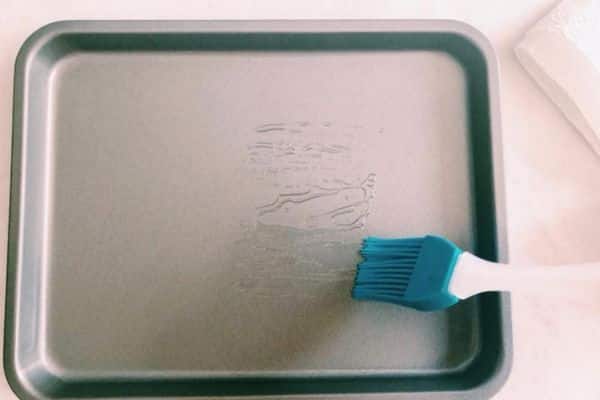
Many people assume cooking sprays are safe for non-stick surfaces, but that is not always true.
Over time, aerosol cooking sprays can leave a sticky residue that becomes difficult to remove. This residue can build up and affect the tray’s non-stick performance.
Instead of cooking spray, lightly brush the tray with oil or use parchment paper.
I noticed that my trays stayed cleaner and performed better after I stopped using aerosol sprays altogether.
Never Use High Heat Unnecessarily
Excessive heat is one of the fastest ways to damage a non-stick coating.
Most manufacturers recommend staying below certain temperature limits. Extremely high temperatures can cause the coating to break down and lose its effectiveness.
Always check the manufacturer’s recommendations before baking at very high temperatures.
For most baking tasks, moderate oven temperatures work perfectly and help protect the tray from unnecessary stress.
Let the Tray Cool Before Washing
One habit that can greatly extend the life of your baking tray is allowing it to cool completely before washing.
Placing a hot tray under cold water can cause thermal shock. This sudden temperature change may warp the tray and weaken the coating.
After baking, simply leave the tray on a heat-safe surface until it reaches room temperature.
This small step can prevent long-term damage and help maintain the tray’s shape. Compare materials before buying a new tray with Aluminium Vs Stainless Steel Baking Tray.
Wash By Hand Whenever Possible
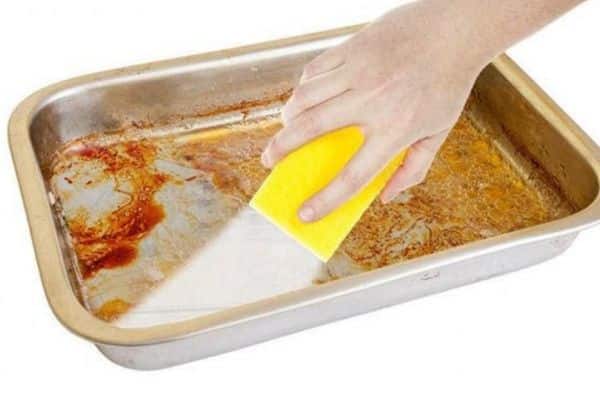
Many non-stick trays are labeled dishwasher safe, but hand washing is often the better choice.
Dishwashers use strong detergents and high temperatures that may gradually wear down the coating.
A soft sponge, warm water, and mild dish soap are usually all you need to clean the tray properly.
Hand washing takes only a few minutes and can significantly extend the tray’s lifespan.
Avoid Abrasive Cleaning Tools
Steel wool, scouring pads, and harsh scrubbing brushes should never be used on non-stick baking trays.
These cleaning tools can scratch the surface and remove portions of the coating.
If food becomes stuck, soak the tray in warm soapy water for 15 to 20 minutes before cleaning.
The residue will soften and come off much more easily without aggressive scrubbing.
Store Baking Trays Properly
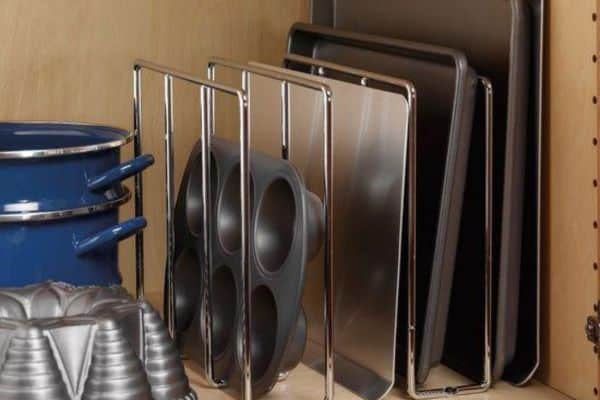
Proper storage is another important part of learning how to protect non stick baking trays.
Stacking trays directly on top of each other can cause scratches and dents.
If you need to stack trays, place a soft cloth, paper towel, or silicone mat between them.
This simple barrier helps prevent damage while keeping your kitchen organized.
Protect the Surface During Baking
When baking foods that may leak, such as pies or casseroles, consider using a baking sheet liner.
Sugary drips and burnt residue can become difficult to remove and may encourage aggressive scrubbing later.
Using a liner helps keep the tray cleaner and reduces the chance of damaging the coating during cleanup.
A little prevention goes a long way when it comes to maintaining non-stick surfaces.
Avoid Cutting Food on the Tray
Many people cut pizza, brownies, or baked goods directly on the baking tray.
While convenient, this practice can quickly scratch the non-stick coating.
Transfer food to a cutting board before slicing.
Doing so protects the tray and helps maintain a smooth cooking surface for future use.
Remove Stains Carefully
Over time, non-stick trays may develop stains from oils and baked-on food residue.
To remove stains safely, make a paste using baking soda and water.
Apply the paste to the stained area and let it sit for a few minutes before gently wiping it away with a soft sponge.
Avoid harsh chemicals that could damage the coating.
Know When to Replace a Non Stick Tray
Even with excellent care, non-stick coatings do not last forever.
If the coating begins peeling, flaking, or showing extensive scratches, it may be time to replace the tray.
Using a heavily damaged tray can affect baking performance and food release.
Regular inspection helps you identify problems before they become serious.
Common Mistakes That Damage Non Stick Baking Trays
Many baking trays fail early because of avoidable mistakes.
Common problems include using metal utensils, washing hot trays immediately, overheating, stacking trays without protection, and using abrasive cleaners.
Avoiding these habits can dramatically increase the lifespan of your baking equipment.
Small changes in daily use often make the biggest difference.
Tips for Long-Term Tray Protection
If you want your baking trays to last for years, develop a simple care routine.
Use parchment paper regularly, wash gently by hand, avoid extreme temperatures, and store trays carefully.
These habits require very little effort but provide long-term benefits.
The more consistently you care for your trays, the longer they will maintain their non-stick performance.
Final Thoughts
Learning how to protect non stick baking trays is not difficult, but it does require a few good habits. Avoid metal utensils, use gentle cleaning methods, keep temperatures reasonable, and store trays properly. These simple steps can significantly extend the life of your baking trays and help them perform like new for years. With proper care, your non-stick baking trays will continue delivering excellent baking results and easy cleanup every time you use them.
