

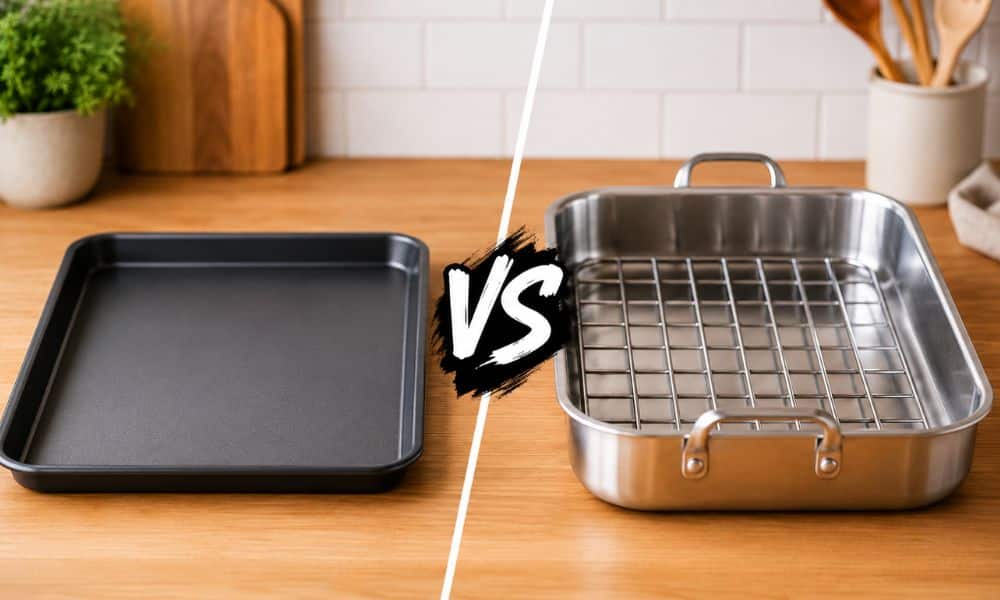
Choosing between a roasting tray vs baking tray can feel confusing at first. Both pans may look similar, but after testing them for different meals, the differences become very clear. One works better for juicy meats, while the other is perfect for cookies, fries, and light baking.
After using both in daily cooking, it became easier to see which tray handled heat better, which cleaned faster, and which gave more even results. This guide breaks everything down in simple terms so it is easier to pick the right tray for your kitchen.
Roasting Tray Review And Real Cooking Experience
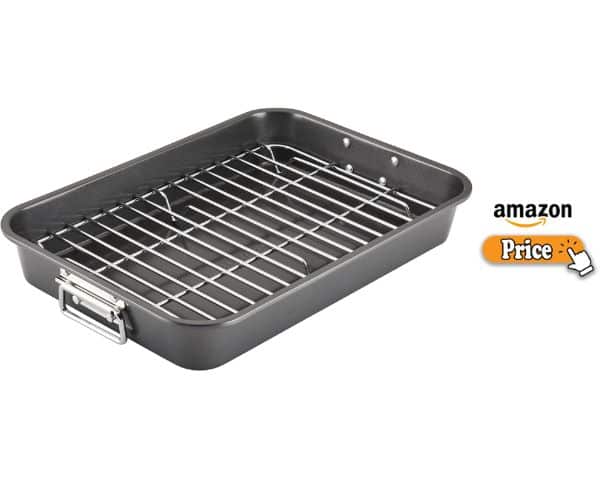
A roasting tray is usually deeper and heavier than a standard baking tray. It is mainly designed for cooking large foods like chicken, turkey, beef roast, and vegetables with juices or oil.
The first time a roasting tray was used for a whole chicken dinner, the deeper sides made a huge difference. The juices stayed inside the tray instead of spilling into the oven. Vegetables also roasted evenly because the heat stayed trapped around the food.
It also handled high temperatures very well. Thick roasting trays usually feel more solid and stable inside the oven.
Still, there were a few downsides during testing. A large roasting tray can feel heavy, especially when full of food. Some models also take up a lot of storage space in smaller kitchens.
Pros And Cons Of A Roasting Tray
| Pros | Cons |
| Great for large meals | Heavier to carry |
| Deep sides reduce spills | Takes more storage space |
| Excellent for meat roasting | Slower to cool down |
| Handles high heat well | Usually costs more |
| Holds juices and sauces easily | Not ideal for delicate baking |
Cleaning a roasting tray depends on the material. Stainless steel trays cleaned easier after soaking, while non-stick versions needed softer cleaning tools to avoid scratches.
Overall, a roasting tray worked best for family dinners, roasted vegetables, turkey, and slow-cooked meals.
Baking Tray Review And Daily Kitchen Use
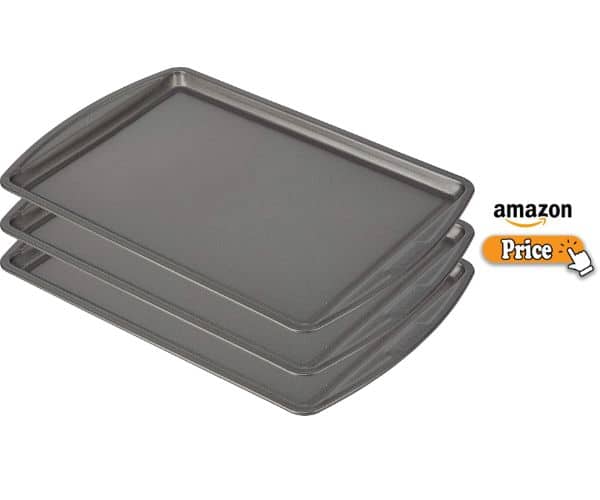
A baking tray is flatter and lighter than a roasting tray. It is commonly used for cookies, pizza, fries, pastries, and sheet pan meals.
After testing several baking recipes, baking trays felt much easier for quick everyday cooking. Cookies baked evenly because the flat surface allowed better airflow. Frozen fries also became crisp faster compared to deeper pans.
One thing that stood out immediately was how lightweight most baking trays are. Moving them in and out of the oven felt easier, especially during busy cooking sessions.
However, flat trays also created some problems. Foods with a lot of grease or liquid sometimes spilled over the edges. Thin baking trays also warped slightly under very high heat.
Pros And Cons Of A Baking Tray
| Pros | Cons |
| Lightweight and easy to handle | Can warp under high heat |
| Great for cookies and pastries | Shallow sides may spill liquids |
| Easy to store | Less ideal for large roasts |
| Heats quickly | Thin models may bend |
| Good for fast cooking | Not best for heavy meats |
Cleaning was usually simple because most baking trays were lightweight and easier to fit into the sink. Non-stick baking trays needed gentle washing to avoid coating damage.
Overall, a baking tray worked best for daily baking, snacks, cookies, pizza, and quick oven meals.
Roasting Tray Vs Baking Tray Detailed Comparison
Both trays can go inside the oven, but they perform differently depending on the type of cooking.
Heating Performance
A roasting tray usually heats slower because it is thicker and heavier. Once hot, it keeps heat very well.
A baking tray heats faster. This helps foods like cookies and fries cook quicker and crisp better.
| Feature | Roasting Tray | Baking Tray |
| Heat Speed | Medium | Fast |
| Heat Retention | Excellent | Moderate |
| High Heat Cooking | Very good | Good |
| Crisping Ability | Moderate | Excellent |
For roasting meats over a long time, roasting trays performed better. For crispy snacks and baked goods, baking trays gave more consistent results.
Durability And Strength
Most roasting trays feel stronger because they are built for heavy meals. Large meat cuts and hot liquids put more pressure on the pan.
Baking trays vary more in quality. Cheap models sometimes bend after repeated use at high temperatures.
| Feature | Roasting Tray | Baking Tray |
| Thickness | Thick | Thin to medium |
| Weight Capacity | High | Moderate |
| Warping Resistance | Better | Lower |
| Lifespan | Long | Depends on quality |
During testing, stainless steel roasting trays stayed stable even after many uses. Thin aluminum baking trays showed small warping signs faster.
Ease Of Use
A baking tray felt easier for quick meals because it was lighter and easier to move.
Roasting trays required more effort because of the extra weight, especially when cooking large meals with sauces.
| Feature | Roasting Tray | Baking Tray |
| Easy To Carry | Moderate | Very easy |
| Best For Beginners | Good | Excellent |
| Storage Friendly | Less | More |
| Quick Cooking | Moderate | Excellent |
For simple weeknight cooking, baking trays usually felt more convenient.
Cleaning And Maintenance
Cleaning experience changed depending on the type of food.
Roasting trays often collected baked-on grease after cooking meat. Soaking was sometimes necessary before washing.
Baking trays cleaned faster because most baked foods left less grease behind.
| Feature | Roasting Tray | Baking Tray |
| Grease Build-Up | Higher | Lower |
| Soaking Needed | Sometimes | Rarely |
| Dishwasher Friendly | Often | Often |
| Cleaning Difficulty | Medium | Easy |
Using parchment paper helped both trays stay cleaner during testing.
Roasting Pan Vs Baking Pan: What Is The Real Difference?
Many people also search for roasting pan vs baking pan because the names sound similar.
A roasting pan usually has:
- Deep sides
- Strong handles
- Thick construction
- Space for meat and vegetables
A baking pan or baking tray usually has:
- Flat surface
- Lower edges
- Lightweight design
- Faster heat circulation
If someone mainly cooks turkey, roast beef, or whole chicken, a roasting pan makes more sense.
If someone bakes cookies, frozen food, pizza, or pastries often, a baking tray is usually the better choice.
What Does A Roasting Pan Look Like?
Many first-time buyers wonder what does a roasting pan look like before shopping.
A roasting pan is normally rectangular or oval with:
- Deep walls
- Heavy metal body
- Side handles
- Optional roasting rack
The deeper shape helps collect juices while roasting meat. Some models also come with removable racks to lift food above the bottom surface.
Roasting Pan Sizes And Which One Works Best
Roasting pan sizes vary depending on cooking needs.
Small roasting pans work well for vegetables and smaller chicken meals. Large roasting pans are better for turkey or family dinners.
| Pan Size | Best Use |
| Small | Vegetables and small chicken |
| Medium | Family dinners |
| Large | Turkey and holiday meals |
Choosing the right size matters because overcrowding affects airflow and cooking quality.
How To Use A Roasting Pan Properly
Learning how to use a roasting pan correctly improves cooking results quickly.
The best method usually includes:
- Preheat the oven first
- Add vegetables underneath meat
- Use a roasting rack if possible
- Leave space around food
- Baste occasionally during cooking
During testing, adding vegetables below the meat helped absorb juices and added more flavor.
How To Cook With A Roasting Pan Successfully
Many beginners search for how to cook with a roasting pan because large meals can feel intimidating.
A roasting pan works best with:
- Whole chicken
- Turkey
- Beef roast
- Pork loin
- Roasted vegetables
Using medium oven heat usually produced the best balance between crispy texture and juicy meat.
One mistake that caused problems early on was overcrowding the pan. Leaving some open space improved browning and airflow significantly. Keep trays spotless with these How To Clean Non Stick Baking Trays tips.
Best Uses For A Baking Tray
A baking tray handled many quick meals extremely well.
The best foods tested included:
- Cookies
- Frozen fries
- Garlic bread
- Pizza
- Roasted vegetables
- Chicken wings
Flat trays allowed better airflow, which helped foods become crispier faster.
Final Verdict
After using both regularly, the better choice really depends on cooking style.
A roasting tray works better for:
- Large family meals
- Meat roasting
- Slow cooking
- Foods with juices or sauces
A baking tray works better for:
- Cookies
- Quick meals
- Crispy foods
- Everyday baking
For most kitchens, having both trays gives the best flexibility. Each one solves a different cooking problem, and both become useful in different situations.
FAQs
Can a baking tray be used instead of a roasting tray?
Yes, but shallow baking trays may struggle with large meats or foods that release a lot of liquid.
Is a roasting tray better for vegetables?
For large vegetable batches, yes. The deeper tray helps prevent spills and keeps heat stable.
Why do baking trays warp in the oven?
Thin metal expands quickly under high heat, which can cause temporary bending or popping sounds.
Are stainless steel roasting trays better?
Stainless steel trays usually last longer and resist rust better, but they may cost more.
Which tray is best for beginners?
A baking tray is usually easier for beginners because it is lightweight, simple to clean, and works for many quick meals.
